
DOI: https://doi.org/10.22399/ijasrar.19
تاريخ النشر: 2025-03-14
الذكاء الاصطناعي وتعلم الآلة من أجل الطاقة المستدامة: النمذجة التنبؤية، التحسين والأثر الاجتماعي الاقتصادي في الولايات المتحدة الأمريكية
تاريخ المقال:
تاريخ الاستلام: 10 يناير 2025
تم القبول: 14 مارس 2025
الكلمات المفتاحية:
الملخص
تستكشف هذه الدراسة كيف يمكن استخدام التعلم الآلي والذكاء الاصطناعي لتعزيز كفاءة الطاقة، وتوقع اتجاهات استهلاك الطاقة، وتحسين أنظمة الطاقة في الولايات المتحدة الأمريكية. استخدمت هذه الدراسة مجموعات بيانات تتضمن استخدام الطاقة المنزلية، واتجاهات اعتماد المركبات الكهربائية، وتحليلات الشبكة الذكية التي تم الحصول عليها من مصادر عامة، وقواعد بيانات، وأجهزة استشعار إنترنت الأشياء. تطبق هذه الدراسة تقنيات التعلم الآلي المتقدمة مثل التعلم العميق، ونماذج الانحدار، والتعلم الجماعي لتحسين دقة التوقعات بهدف تحقيق تخصيص فعال للموارد. بالإضافة إلى ذلك، تحقق هذه الدراسة في توقع الأعطال في المركبات الجديدة (NEVs) وتأثيراتها على استقرار الشبكة وإدارة الطلب على الطاقة. كما تفحص البحث الأثر الاجتماعي والاقتصادي للسياسات الطاقية المدفوعة بالذكاء الاصطناعي وتبرز دورها في تقليل البصمات الكربونية، وتعزيز العدالة في الطاقة، وتعزيز النمو الاقتصادي المستدام. يتم تطبيق الشبكات العصبية التكرارية لتوقع اتجاهات استهلاك الطاقة ومعدلات اعتماد المركبات الكهربائية من خلال تحليل بيانات الاستخدام التاريخية. تُستخدم الشبكات العصبية التلافيفية والمشفّرات التلقائية للكشف عن الشذوذ في أداء بطاريات المركبات الجديدة والصيانة التنبؤية. كما تستخدم نماذج التعلم العميق بيانات أجهزة استشعار إنترنت الأشياء في الوقت الحقيقي لتعزيز كفاءة توزيع الطاقة في الشبكات الذكية. تُستخدم نماذج الانحدار الخطي لتوقع الطلب على الطاقة في المنازل والصناعات بناءً على عوامل مثل الطقس، والأسعار، والمتغيرات الاجتماعية والاقتصادية. كما يتوقع الانحدار الخطي اتجاهات استهلاك الطاقة في المستشفيات والمصانع. تُستخدم غابات العشوائية وXGBoost في توقع الطلب على الطاقة وتجمع استهلاك الطاقة. تُستخدم مقاييس تقييم الأداء مثل متوسط الخطأ التربيعي (MSE)، وجذر متوسط الخطأ التربيعي (RMSE)، وR-squared (
1. المقدمة
1.1 الخلفية
1.2 أهمية البحث
غالبًا ما تعتمد أنظمة الإدارة على نماذج ثابتة تفشل في التكيف مع التقلبات في الوقت الحقيقي، مما يؤدي إلى عدم الكفاءة وهدر الطاقة. وهذا بدوره يدفع إلى استخدام الذكاء الاصطناعي وتعلم الآلة في أنظمة إدارة الطاقة. يمكن لمزودي الطاقة أيضًا استخدام نماذج مدعومة بالذكاء الاصطناعي لضبط أحمال الشبكة ديناميكيًا، وتحسين استخدام الموارد المتجددة، وتنفيذ آليات الكشف عن الأعطال في الوقت الحقيقي. تتيح التحليلات التنبؤية باستخدام الذكاء الاصطناعي وتعلم الآلة التنبؤ الدقيق بالطلب على الطاقة، واستقرار الشبكة، والتأثيرات الاجتماعية والاقتصادية، مما يعزز بدوره صياغة السياسات المستندة إلى البيانات لتحسين أنماط استهلاك الطاقة في الولايات المتحدة. علاوة على ذلك، تعزز تقنيات تعلم الآلة العدالة في الطاقة، مما يضمن توزيعًا عادلًا ويقلل من فقر الطاقة في المجتمعات المحرومة. نظرًا للحاجة الملحة لاستدامة الطاقة، والعمل المناخي، والمرونة الاقتصادية، يسلط هذا البحث الضوء على كيفية مساهمة الذكاء الاصطناعي وتعلم الآلة في الجدوى طويلة الأجل لأنظمة إدارة الطاقة الذكية.
1.3 الأهداف
2. مراجعة الأدبيات
2.1 الأعمال ذات الصلة
تم التأكيد على أن الانتقال إلى المركبات الكهربائية (EVs) كان محورًا لبحث واسع النطاق نظرًا لأهميته في التخفيف من تغير المناخ، وتعزيز التخطيط الحضري، وتعزيز استدامة الطاقة. اعتمدت الدراسات المبكرة في هذا المجال بشكل أساسي على تقنيات إحصائية تقليدية، مثل الانحدار الخطي وتحليل السلاسل الزمنية، للتنبؤ باتجاهات اعتماد المركبات الكهربائية.
وبالمثل، ركز تشودري وآخرون (2024) على دور الذكاء الاصطناعي في استهلاك الطاقة المنزلية، موضحين أن تقنيات النمذجة الذكية يمكن أن تحسن كفاءة الطاقة واستراتيجيات الاستجابة للطلب [5]. لقد حول دور الذكاء الاصطناعي وتعلم الآلة إدارة الطاقة بشكل كبير استراتيجيات التحليل التنبؤي والتحسين.
يسلط براينجولفسون وآخرون (2017) الضوء على كيفية ثورة الذكاء الاصطناعي في الصناعات من خلال تسهيل اتخاذ القرارات المعتمدة على البيانات وتحسين الأنظمة المعقدة، بما في ذلك شبكات الطاقة [3]. لقد عزز دمج تقنيات التعلم العميق، مثل الشبكات العصبية التلافيفية (CNNs) والشبكات العصبية المتكررة (RNNs)، دقة النمذجة التنبؤية في توقع الطاقة (لكون وآخرون 2015) [10].
بينما يُعتبر الطاقة الكهرومائية غالبًا مصدرًا نظيفًا للطاقة، إلا أنها تشكل مخاطر على النظم البيئية المائية. إن بناء السدود يعطل تدفق الأنهار الطبيعي ويهدد تجمعات الأسماك. وبالمثل، على الرغم من أن محطات الطاقة الحرارية الأرضية لديها انبعاثات منخفضة، إلا أنها يمكن أن تؤدي إلى هبوط الأرض أو قد تحفز أحداث زلزالية في بعض المناطق.
علاوة على ذلك، قدم حسنين وآخرون (2025) إطار عمل للكشف عن الأعطال مدعوم بالذكاء الاصطناعي للمركبات الجديدة للطاقة (NEVs)، مما يعزز بشكل كبير موثوقية البطارية وأداء المركبة [7]. كما أكدت أبحاث باروا وآخرون (2025) على أهمية الذكاء الاصطناعي في تحسين أنماط استهلاك الطاقة الحضرية، مما يضمن نظام توزيع طاقة أكثر استدامة وكفاءة [2].
تدعم الدراسات التجريبية أن تقنيات وممارسات كفاءة الطاقة أثبتت فعاليتها في مواقف متنوعة. على سبيل المثال، يمكن أن تعمل منظمات الحرارة الذكية التي تستخدم تعلم الآلة على تحسين جداول التدفئة والتبريد في المنازل، مما قد يؤدي إلى تقليل يصل إلى
2.2 الفجوات والتحديات
بالإضافة إلى ذلك، بينما أثبتت نماذج تعلم الآلة فائدتها في توقع معدلات اعتماد المركبات الكهربائية (EV)، لا يزال من الصعب دمج سلوك المستهلك في الوقت الحقيقي والتدخلات السياسية الخارجية بشكل فعال [12]. يؤكد جيروسييه وآخرون (2024) أنه على الرغم من التقدم الملحوظ، فإن الطرق التنبؤية الحالية لاعتماد المركبات الكهربائية (EV) غير كافية بشكل أساسي. هذه الطرق لا تعالج مجموعة من المتغيرات ذات الأبعاد العالية والمتداخلة التي تشكل السوق EV بشكل حاسم.
يمكن أن يؤدي التحيز الخوارزمي في نماذج تعلم الآلة إلى توزيع غير عادل لموارد الطاقة، مما يؤثر على عدالة الطاقة وصياغة السياسات [6]. علاوة على ذلك، يجب معالجة المخاوف الأخلاقية المتعلقة بدور الذكاء الاصطناعي في الاستدامة لضمان نشر مسؤول [9]. واحدة من القيود الرئيسية للنماذج الحالية للذكاء الاصطناعي هي صعوبة تكيفها مع التقلبات في الطلب على الطاقة في الوقت الحقيقي.
يقترح شنايدر وآخرون (2021) أن الأطر الذكية التكيفية، القادرة على التعلم من البيانات في الوقت الحقيقي، يمكن أن تعزز من قوة النموذج وأن الأساليب التقليدية غير مجهزة بشكل جيد لإدارة تعقيد وعشوائية العوامل التي تدفع انتشار المركبات الكهربائية، بما في ذلك تقلبات أسعار الوقود، والدعم الحكومي غير المتسق، والتطورات التكنولوجية السريعة المتعلقة بكل من البطاريات الموعودة والمتاحة تجاريًا [11].
يمكن أن تحلل نماذج السلاسل الزمنية، على سبيل المثال، البيانات التاريخية، لكنها غير قادرة على التقاط التغيرات المفاجئة في السياسة والتكنولوجيا بشكل فعال، مما يترك فجوات كبيرة في الدقة التنبؤية. تعتمد الأساليب التقليدية بشكل كبير على البيانات المجمعة والافتراضات الخطية، مما يحجب التباينات في معدلات الاعتماد الإقليمية ويخفي الاتجاهات الأساسية في سلوك المستهلك وتفضيلاته. هذه الظاهرة بارزة بشكل خاص في الولايات المتحدة، حيث تختلف معدلات اعتماد المركبات الكهربائية بشكل كبير عبر الولايات بسبب اختلافات صارخة في السياسة والمناخ والظروف الاجتماعية والاقتصادية. أشار تشودري وآخرون (2024) إلى أن قابلية التوسع لا تزال قيدًا كبيرًا للعديد من نماذج الذكاء الاصطناعي، التي غالبًا ما يتم تدريبها على بيانات إقليمية وتكافح للتعميم بشكل فعال على المستوى الوطني [5]. كما أشار حسنين وآخرون (2025) إلى أن التنبؤ بالأعطال المعتمد على الذكاء الاصطناعي في المركبات الكهربائية الجديدة (NEVs) معقد بسبب التباينات في تصميم المركبات وتكنولوجيا البطاريات [7].
تظهر ماماتا وآخرون (2024) أنه على الرغم من مزايا NEVs، فإنها غالبًا ما تعاني من أعطال متنوعة تؤثر بشكل كبير على الأداء وتقلل من رضا العملاء. تشمل المشكلات الشائعة تدهور بطارية الجر، وفشل نظام الشحن، وأعطال البرمجيات. لا تؤدي هذه المشكلات إلى تقويض وظيفة المركبة فحسب، بل تؤدي أيضًا إلى زيادة تكاليف الصيانة وتراجع ثقة المستهلك في تكنولوجيا NEV.
تشكل تعقيدات الكشف عن الأعطال وحلها داخل أنظمة NEV، التي تنبع من تكاملها المعقد بين الأجهزة والبرمجيات، تحديًا كبيرًا. يتطلب معالجة هذه القضايا تحسينات في طرق جمع البيانات، وزيادة قابلية تفسير النموذج، وكفاءة حسابية أكبر لضمان حلول طاقة مدفوعة بالذكاء الاصطناعي قوية وموثوقة.
3. المنهجية
3.1 جمع البيانات والمعالجة المسبقة
مصادر البيانات
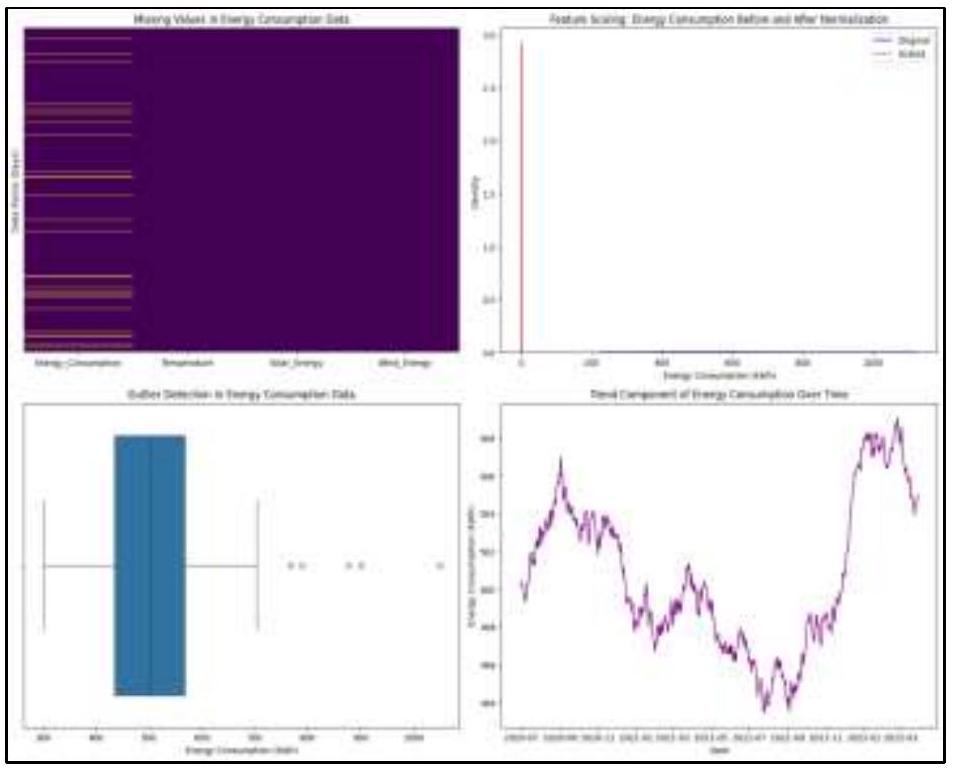
المعالجة المسبقة للبيانات
3.2 تطوير النموذج
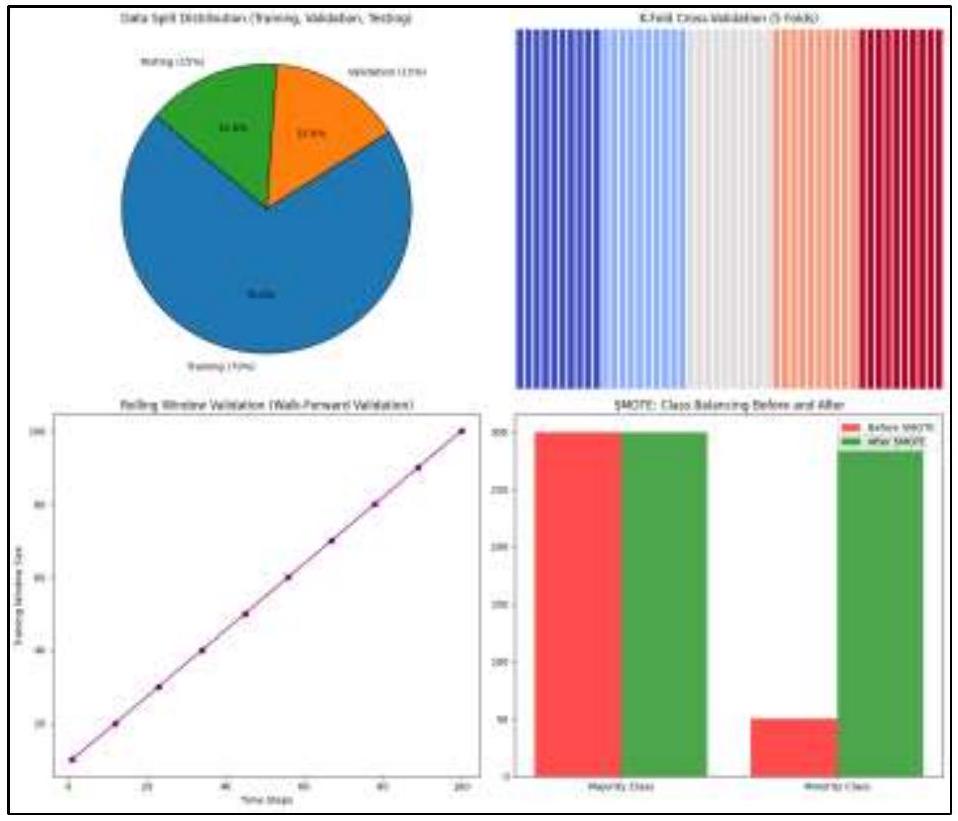
3.3 إجراءات تدريب النموذج والتحقق منه
3.4 مقاييس تقييم الأداء
4. النتائج والمناقشة
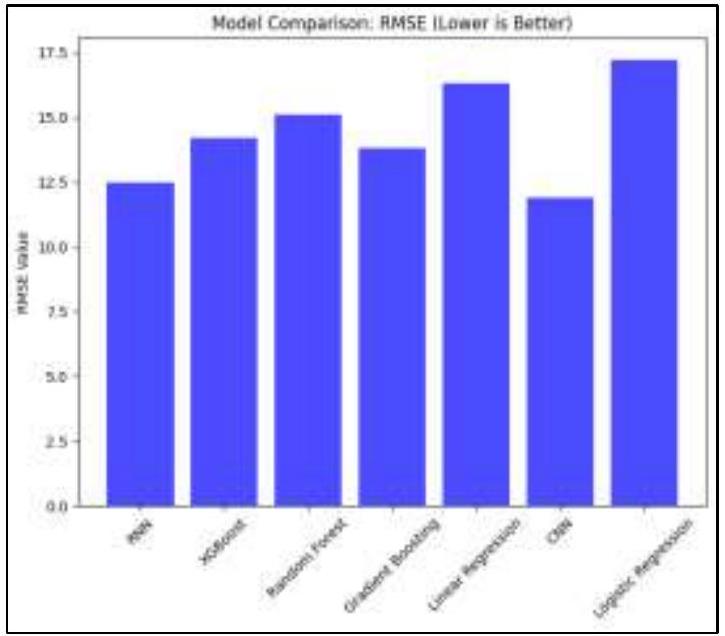
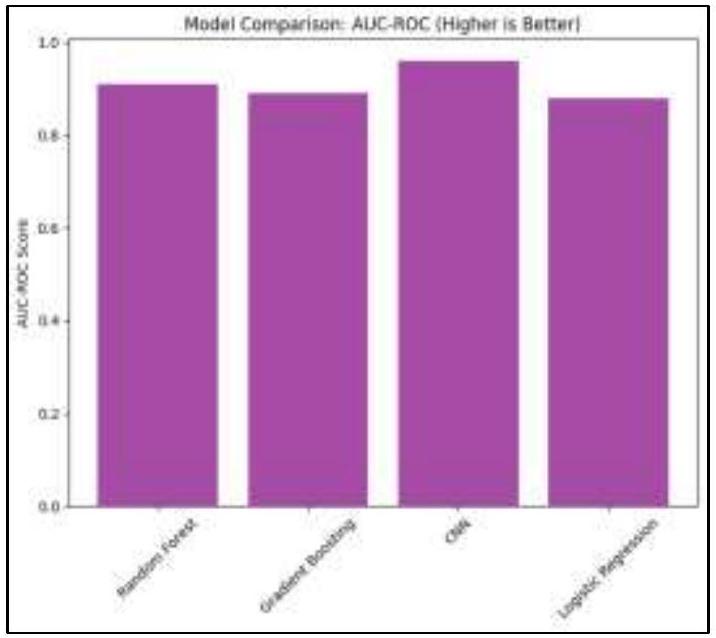
4.1 أداء النموذج
4.2 المناقشة والعمل المستقبلي
ومع ذلك، على الرغم من هذه التقدمات، لا تزال هناك عدة تحديات قائمة. أحد القيود الرئيسية هو التعقيد الحسابي، خاصة بالنسبة لنماذج التعلم العميق التي تتطلب قوة معالجة كبيرة ومجموعات بيانات كبيرة. علاوة على ذلك، فإن قابلية تفسير نماذج الذكاء الاصطناعي هي مصدر قلق، خاصة في سياقات صنع السياسات والتنبؤ الاقتصادي، حيث تفضل النماذج القابلة للتفسير [8].
يجب أن تركز الأبحاث المستقبلية على تطوير نماذج ذكاء اصطناعي هجينة تجمع بين التعلم العميق والأساليب الاقتصادية التقليدية لتعزيز كل من الدقة وقابلية التفسير. يمكن أن يؤدي دمج تدفقات البيانات في الوقت الحقيقي من الشبكات الذكية المدعومة بإنترنت الأشياء (IoT) أيضًا إلى تحسين تكيف النموذج وأدائه. بالإضافة إلى ذلك، يجب أن تحقق الدراسات الإضافية في تقنيات التعلم الانتقالي لتمكين النماذج من التعميم عبر سياقات جغرافية واقتصادية متنوعة [1].
5. الخاتمة
التعلم التجميعي، لتعزيز دقة التنبؤ بشكل كبير وزيادة كفاءة الطاقة. تؤكد النتائج أن نماذج التعلم العميق، وخاصة الشبكات العصبية التلافيفية (CNNs) والشبكات العصبية المتكررة (RNNs)، تقدم أداءً أفضل من نماذج الانحدار التقليدية في التنبؤ باتجاهات استهلاك الطاقة، محققة دقة أعلى ومعدلات خطأ أقل بشكل ملحوظ. بالإضافة إلى ذلك، تعتبر طرق التجميع مثل Random Forest وXGBoost فعالة للغاية في تحسين توزيع الطاقة المتجددة وتقليل الفاقد في الطاقة. كما تؤكد الدراسة على الدور الأساسي للكشف عن الأخطاء المدعوم بالذكاء الاصطناعي في NEVs، مما يحسن استقرار الشبكة ويدير الطلب على الطاقة بشكل أكثر فعالية. بينما تقدم الدراسة نتائج مثيرة، تعترف بعدة تحديات تحتاج إلى معالجة، بما في ذلك التحيز الخوارزمي، والتعقيد الحسابي، والطلب على دمج البيانات في الوقت الحقيقي. يجب أن تركز الأبحاث المستقبلية على إنشاء نماذج ذكاء اصطناعي هجينة تجمع بين التعلم العميق والأساليب الاقتصادية للتنبؤ لتعزيز كل من الدقة وقابلية التفسير. علاوة على ذلك، فإن دمج الشبكات الذكية المدعومة بإنترنت الأشياء واستخدام تقنيات التعلم الانتقالي أمر حاسم لتكييف النماذج مع مجموعة متنوعة من السياقات الجغرافية والاقتصادية. من خلال معالجة هذه التحديات، تتمتع الحلول المدفوعة بالذكاء الاصطناعي بالقدرة على التأثير بشكل كبير على تطوير نظام طاقة أكثر استدامة وفعالية من حيث التكلفة وصديق للبيئة في الولايات المتحدة.
بيانات المؤلف:
- الموافقة الأخلاقية: البحث الذي تم إجراؤه لا يتعلق باستخدام البشر أو الحيوانات.
- تضارب المصالح: يعلن المؤلفون أنهم ليس لديهم مصالح مالية متنافسة معروفة أو علاقات شخصية قد تكون قد أثرت على العمل المبلغ عنه في هذه الورقة.
- شكر: يعلن المؤلفون أنهم ليس لديهم أحد أو أي شركة ليشكروا.
- مساهمات المؤلف: يعلن المؤلفون أن لديهم حقوق متساوية في هذه الورقة.
- معلومات التمويل: يعلن المؤلفون أنه لا يوجد تمويل يجب الإقرار به.
- بيان توفر البيانات: البيانات التي تدعم نتائج هذه الدراسة متاحة عند الطلب من المؤلف المراسل. البيانات ليست متاحة للجمهور بسبب قيود الخصوصية أو الأخلاق.
References
[2] Barua, A., Karim, F., Islam, M. M., Das, N., Sumon, M. F. I., Rahman, A., & Khan, M. A. (2025). Optimizing Energy Consumption Patterns in Southern California: An AI-Driven Approach to Sustainable Resource Management. Journal of Ecohumanism, 4(1), 2920-2935.
[3] Brynjolfsson, E., & McAfee, A. (2017). The Business of Artificial Intelligence: What It Can – and Cannot Do for Your Organization. Harvard Business Review.
[4] Choi, T. M., Wallace, S. W., & Wang, Y. (2021). Big data analytics in operations management. Production and Operations Management, 30(3), 534-547.
[5] Chowdhury, M. S. R., Islam, M. S., Al Montaser, M. A., Rasel, M. A. B., Barua, A., Chouksey, A., & Chowdhury, B. R. (2024). Predictive Modeling of Household Energy Consumption in the USA: The Role of Machine Learning and Socioeconomic Factors. The American Journal of Engineering and Technology, 6(12), 99-118.
[6] Danks, D., & London, A. J. (2017). Algorithmic bias in autonomous systems. Proceedings of the 26th International Joint Conference on Artificial Intelligence (IJCAI), 4691-4697.
[7] Hossain, M. S., Mohaimin, M. R., Alam, S., Rahman, M. A., Islam, M. R., Anonna, F. R., & Akter, R. (2025). AI-Powered Fault Prediction and Optimization in New Energy Vehicles (NEVs) for the US Market. Journal of Computer Science and Technology Studies, 7(1), 01-16.
[8] Hossain, S., Hasanuzzaman, M., Hossain, M., Amjad, M. H. H., Shovon, M. S. S., Hossain, M. S., & Rahman, M. K. (2025). Forecasting Energy Consumption Trends with Machine Learning Models for Improved Accuracy and Resource Management in the USA. Journal of Business and Management Studies, 7(1), 200217.
[9] Jobin, A., Ienca, M., & Vayena, E. (2019). The global landscape of AI ethics guidelines. Nature Machine Intelligence, 1(9), 389-399.
[10] LeCun, Y., Bengio, Y., & Hinton, G. (2015). Deep learning. Nature, 521(7553), 436-444.
[11] Schneider, T., Lan, S., Stuart, A., & Teixeira, J. (2021). Earth system modeling 2.0: A blueprint for models that learn from observations and targeted high-resolution simulations. Geophysical Research Letters, 48(7), e2020GL091656.
[12] Shil, S. K., Chowdhury, M. S. R., Tannier, N. R., Tarafder, M. T. R., Akter, R., Gurung, N., & Sizan, M. M. H. (2024). Forecasting Electric Vehicle Adoption in the USA Using Machine Learning Models. Journal of Computer Science and Technology Studies, 6(5), 61-74.
[13] Sumon, M. F. I., Osiujjaman, M., Khan, M. A., Rahman, A., Uddin, M. K., Pant, L., & Debnath, P. (2024). Environmental and Socio-Economic Impact Assessment of Renewable Energy Using Machine Learning Models. Journal of Economics, Finance and Accounting Studies, 6(5), 112-122.
[14] Varian, H. R. (2014). Big data: New tricks for econometrics. Journal of Economic Perspectives, 28(2), 3-28.
[15] Waller, M. A., & Fawcett, S. E. (2013). Data science, predictive analytics, and big data: A revolution that will transform supply chain design and management. Journal of Business Logistics, 34(2), 77-84.
DOI: https://doi.org/10.22399/ijasrar.19
Publication Date: 2025-03-14
AI and Machine Learning for Sustainable Energy: Predictive Modelling, Optimization and Socioeconomic Impact In The USA
Article History:
Received: Jan. 10, 2025
Accepted: Mar. 14, 2025
Keywords:
Abstract
This research explores how Machine Learning and AI can be used to enhance energy efficiency, forecast energy consumption trends, and optimize energy systems in the USA. This research used datasets comprising household energy usage, electric vehicle adoption trends, and smart grid analytics obtained from public sources, databases, and IoT sensor devices. This study applies advanced machine learning techniques such as deep learning, regression models, and ensemble learning to improve forecasting accuracy aimed at achieving efficient resource allocation. Additionally, this study investigates fault prediction in New Energy Vehicles (NEVs) and its implications for grid stability and energy demand management. The research also examines the socioeconomic impact of AIdriven energy policies and highlights their role in reducing carbon footprints, promoting energy equity, and fostering sustainable economic growth. Recurrent Neural Networks are applied to predict energy consumption trends and electric vehicle(EV) adoption rates by analyzing historical usage data. Convolutional Neural Networks and Autoencoders are used for anomaly detection in NEV battery performance and predictive maintenance. Deep Learning models also use real-time IoT sensor data to enhance the efficiency of energy distribution in smart grids. Linear Regression models are used to predict household and industrial energy demand based on factors such as weather, pricing, and socioeconomic variables. Linear Regression also predicts energy consumption trends in hospitals and factories. Random Forest and XGBoost are used in energy demand forecasting and energy consumption clustering. Performance evaluation metrics such as Mean Squared Error (MSE), Root Mean Squared Error (RMSE), and R-squared (
1. Introduction
1.1 Background
1.2 Importance Of the Research
management systems often rely on static models that fail to adapt to real-time fluctuations, leading to inefficiencies and energy waste. This consequently prompts the use of AI and machine learning in energy management systems [12]. Energy providers can also use AI-powered models to dynamically adjust grid loads, optimize renewable resource utilization, and implement real-time fault detection mechanisms [5]. Predictive analytics using AI and machine learning enables accurate forecasting of energy demand, grid stability, and socioeconomic impacts, which in turn fosters data-driven policy formulation to optimize energy consumption patterns in the USA [2]. Furthermore, machine learning techniques enhance energy equity, ensuring fair distribution and reducing energy poverty in underserved communities [1]. Given the pressing need for energy sustainability, climate action, and economic resilience, this research highlights how AI and ML contribute to the long-term viability of intelligent energy management systems.
1.3 Objectives
2. Literature Review
2.1 Related Works
It was emphasized that the transition to electric vehicles (EVs) has been a focal point of extensive research due to its significance in mitigating climate change, advancing urban planning, and promoting energy sustainability. Early studies in this domain primarily relied on conventional statistical techniques, such as linear regression and time-series analysis, to predict EV adoption trends.
Similarly, Chowdhury et al. (2024) focused on the role of AI in household energy consumption, showing that intelligent modeling techniques can improve energy efficiency and demand-response strategies [5]. The role of AI and machine learning in energy management has significantly transformed predictive analytics and optimization strategies.
Brynjolfsson et al.(2017) highlight how AI revolutionizes industries by facilitating data-driven decisionmaking and optimizing complex systems, including energy grids [3]. The integration of deep learning techniques, such as convolutional neural networks (CNNs) and recurrent neural networks (RNNs), has further enhanced the accuracy of predictive modeling in energy forecasting (LeCun et al. 2015) [10].
While hydropower is often regarded as a clean energy source, it does pose risks to aquatic ecosystems. The construction of dams disrupts the natural river flow and threatens fish populations. Likewise, although geothermal plants have low emissions, they can lead to land subsidence or potentially trigger seismic events in some regions.
Moreover, Hossain et al. (2025) introduced an AI-powered fault detection framework for New Energy Vehicles (NEVs), significantly enhancing battery reliability and vehicle performance [7]. Research by Barua et al. (2025) also underscored the importance of AI in optimizing urban energy consumption patterns, ensuring a more sustainable and efficient energy distribution system [2].
Empirical studies support that energy-efficient technologies and practices have proven effective in various situations. For instance, smart thermostats that utilize machine learning can optimize heating and cooling schedules in homes, potentially leading to a reduction of up to
2.2 Gaps and Challenges
Additionally, while machine learning models have proven useful for predicting EV adoption rates, realtime consumer behavior and external policy interventions remain difficult to integrate effectively [12]. Gerossier et al. (2024) assert that, despite notable advancements, current predictive methods for electric vehicle (EV) adoption are fundamentally inadequate. These methods fall short in addressing the myriad of high-dimensional and interdependent variables that critically shape the EV market.
Algorithmic bias in machine learning models can lead to an unfair distribution of energy resources, impacting energy equity and policy formulation [6]. Moreover, ethical concerns regarding AI’s role in sustainability must be addressed to ensure responsible deployment [9]. One of the key limitations of current AI models is their struggle to adapt to real-time fluctuations in energy demand.
Schneider et al. (2021) suggest that adaptive AI frameworks, capable of learning from real-time data, could enhance model robustness and traditional approaches are ill-equipped to manage the complexity and nonlinearity of factors driving the diffusion of electric vehicles, including fluctuating fuel prices, inconsistent government subsidies, and rapid technological developments concerning both pledged and commercially available batteries [11].
Time-series models, for instance, may analyze historical data, but they are incapable of effectively capturing abrupt changes in policy and technology, leaving significant gaps in predictive accuracy. Traditional approaches heavily depend on aggregate data and linear assumptions, which obscure variations in regional adoption rates and mask the essential trends in consumer behavior and preferences. This phenomenon is particularly pronounced in the United States, where electric vehicle adoption rates vary significantly across states due to stark differences in policy, climate, and socioeconomic conditions. Chowdhury et al. (2024) highlighted that scalability remains a significant limitation for many AI models, which are often trained on regional data and struggle to generalize effectively at a national level [5]. Hossain et al. (2025) further pointed out that AI-based fault prediction in new electric vehicles (NEVs) is complicated by variations in vehicle design and battery technology [7].
Mamatha et al. (2024) demonstrate that, despite the advantages of NEVs, they are frequently plagued by various faults that significantly impair performance and diminish customer satisfaction. Common issues include traction battery degradation, charging system failures, and software malfunctions. These problems not only undermine vehicle functionality but also lead to increased maintenance costs and a decline in consumer confidence in NEV technology.
The complexity of fault detection and resolution within NEV systems, which stems from their intricate integration of hardware and software, presents a substantial challenge. Addressing these issues requires improvements in data collection methods, enhanced model interpretability, and greater computational efficiency to ensure robust and reliable AI-driven energy solutions.
3. Methodology
3.1 Data Collection and Preprocessing
Data sources
Data Preprocessing
3.2 Model Development
3.3 Model Training and Validation Procedures
3.4 Performance Evaluation Metrics
4. Results and Discussion
4.1 Model Performance
4.2 Discussion and Future Work
However, despite these advancements, several challenges persist. One major limitation is computational complexity, especially for deep learning models that require significant processing power and large datasets. Furthermore, the explainability of AI models is a concern, particularly in the contexts of policymaking and economic forecasting, where interpretable models are preferred [8].
Future research should focus on developing hybrid AI models that combine deep learning with traditional econometric approaches to enhance both accuracy and interpretability. Incorporating realtime data streams from the Internet of Things (IoT)-)-enabled smart grids could also improve model adaptability and performance. Additionally, further studies should investigate transfer learning techniques to enable models to generalize across various geographic and economic contexts [1].
5. Conclusion
ensemble learning, to significantly enhance forecasting accuracy and increase energy efficiency. The results confirm that deep learning models, particularly Convolutional Neural Networks (CNNs) and Recurrent Neural Networks (RNNs), deliver better performance than traditional regression models in predicting energy consumption trends, achieving higher accuracy and noticeably lower error rates. Additionally, ensemble methods such as Random Forest and XGBoost are highly effective in optimizing renewable energy distribution and reducing energy waste. The study also emphasizes the essential role of AI-powered fault detection in NEVs, which improves grid stability and manages energy demand more effectively. While the study presents compelling results, it recognizes several challenges that need to be addressed, including algorithmic bias, computational complexity, and the demand for real-time data integration. Future research must focus on creating hybrid AI models that combine deep learning with econometric forecasting approaches to enhance both accuracy and interpretability. Furthermore, integrating IoT-enabled smart grids and utilizing transfer learning techniques is crucial for adapting models to a variety of geographic and economic contexts. By tackling these challenges, AI-driven energy solutions have the potential to significantly impact the development of a more sustainable, costeffective, and environmentally friendly energy system in the USA.
Author Statements:
- Ethical approval: The conducted research is not related to either human or animal use.
- Conflict of interest: The authors declare that they have no known competing financial interests or personal relationships that could have appeared to influence the work reported in this paper
- Acknowledgement: The authors declare that they have nobody or no-company to acknowledge.
- Author contributions: The authors declare that they have equal right on this paper.
- Funding information: The authors declare that there is no funding to be acknowledged.
- Data availability statement: The data that support the findings of this study are available on request from the corresponding author. The data are not publicly available due to privacy or ethical restrictions.
References
[2] Barua, A., Karim, F., Islam, M. M., Das, N., Sumon, M. F. I., Rahman, A., & Khan, M. A. (2025). Optimizing Energy Consumption Patterns in Southern California: An AI-Driven Approach to Sustainable Resource Management. Journal of Ecohumanism, 4(1), 2920-2935.
[3] Brynjolfsson, E., & McAfee, A. (2017). The Business of Artificial Intelligence: What It Can – and Cannot Do for Your Organization. Harvard Business Review.
[4] Choi, T. M., Wallace, S. W., & Wang, Y. (2021). Big data analytics in operations management. Production and Operations Management, 30(3), 534-547.
[5] Chowdhury, M. S. R., Islam, M. S., Al Montaser, M. A., Rasel, M. A. B., Barua, A., Chouksey, A., & Chowdhury, B. R. (2024). Predictive Modeling of Household Energy Consumption in the USA: The Role of Machine Learning and Socioeconomic Factors. The American Journal of Engineering and Technology, 6(12), 99-118.
[6] Danks, D., & London, A. J. (2017). Algorithmic bias in autonomous systems. Proceedings of the 26th International Joint Conference on Artificial Intelligence (IJCAI), 4691-4697.
[7] Hossain, M. S., Mohaimin, M. R., Alam, S., Rahman, M. A., Islam, M. R., Anonna, F. R., & Akter, R. (2025). AI-Powered Fault Prediction and Optimization in New Energy Vehicles (NEVs) for the US Market. Journal of Computer Science and Technology Studies, 7(1), 01-16.
[8] Hossain, S., Hasanuzzaman, M., Hossain, M., Amjad, M. H. H., Shovon, M. S. S., Hossain, M. S., & Rahman, M. K. (2025). Forecasting Energy Consumption Trends with Machine Learning Models for Improved Accuracy and Resource Management in the USA. Journal of Business and Management Studies, 7(1), 200217.
[9] Jobin, A., Ienca, M., & Vayena, E. (2019). The global landscape of AI ethics guidelines. Nature Machine Intelligence, 1(9), 389-399.
[10] LeCun, Y., Bengio, Y., & Hinton, G. (2015). Deep learning. Nature, 521(7553), 436-444.
[11] Schneider, T., Lan, S., Stuart, A., & Teixeira, J. (2021). Earth system modeling 2.0: A blueprint for models that learn from observations and targeted high-resolution simulations. Geophysical Research Letters, 48(7), e2020GL091656.
[12] Shil, S. K., Chowdhury, M. S. R., Tannier, N. R., Tarafder, M. T. R., Akter, R., Gurung, N., & Sizan, M. M. H. (2024). Forecasting Electric Vehicle Adoption in the USA Using Machine Learning Models. Journal of Computer Science and Technology Studies, 6(5), 61-74.
[13] Sumon, M. F. I., Osiujjaman, M., Khan, M. A., Rahman, A., Uddin, M. K., Pant, L., & Debnath, P. (2024). Environmental and Socio-Economic Impact Assessment of Renewable Energy Using Machine Learning Models. Journal of Economics, Finance and Accounting Studies, 6(5), 112-122.
[14] Varian, H. R. (2014). Big data: New tricks for econometrics. Journal of Economic Perspectives, 28(2), 3-28.
[15] Waller, M. A., & Fawcett, S. E. (2013). Data science, predictive analytics, and big data: A revolution that will transform supply chain design and management. Journal of Business Logistics, 34(2), 77-84.