دراسات حية ودراسات حاسوبية لتحديد آليات سمية البيرميثرين مع الدور المخفف للسمية للزنجبيل In-vivo and in-silico studies to identify toxicity mechanisms of permethrin with the toxicity-reducing role of ginger

المجلة: Environmental Science and Pollution Research، المجلد: 31، العدد: 6
DOI: https://doi.org/10.1007/s11356-023-31729-5
PMID: https://pubmed.ncbi.nlm.nih.gov/38191734
تاريخ النشر: 2024-01-08

دراسات حية ودراسات حاسوبية لتحديد آليات سمية البيرميثرين مع الدور المخفف للسمية للزنجبيل

داملا هيمتاش إمين يالتشين (د) كولتيغين تشافوش أوغلو علي عكار

تاريخ الاستلام: 8 مايو 2023 / تاريخ القبول: 22 ديسمبر 2023 / تاريخ النشر على الإنترنت: 8 يناير 2024
© المؤلفون 2024

الملخص

في هذه الدراسة، تم التحقيق في التأثيرات السامة للبيرميثرين على Allium cepa L. والدور الوقائي لمستخلص جذور الزنجبيل (Zoex). في هذا السياق، تم تشكيل 6 مجموعات مختلفة. بينما تم معالجة مجموعة التحكم بمياه الصنبور، تم معالجة المجموعتين II و III بـ و Zoex، على التوالي، وتم معالجة المجموعة IV بـ البيرميثرين. تم دراسة التأثير الوقائي لـ Zoex ضد سمية البيرميثرين كدالة للجرعة، وتم تشكيل المجموعتين V و VI لهذا الغرض وتمت معالجتهما بـ Zoex البيرميثرين و Zoex البيرميثرين، على التوالي. بعد 72 ساعة من الإنبات، تم دراسة التغيرات السيتوجينية والبيوكيميائية والفسيولوجية والتشريحية في الخلايا الميرستيمية لـ A. cepa. ونتيجة لذلك، أدى تطبيق البيرميثرين إلى انخفاض مؤشر الانقسام (MI) وزيادة تكرار النوى الدقيقة (MN) والعيوب الكروموسومية. تشير الزيادة في المالونديالديهايد (MDA) وسوبر أكسيد ديسموتاز (SOD) وكاتالاز (CAT) وانخفاض الجلوتاثيون (GSH) إلى أن البيرميثرين يسبب ضررًا أكسديًا. مقارنة بمجموعة التحكم، لوحظ انخفاض في إطالة الجذور ( ) و انخفاض ( ) في زيادة الوزن في المجموعة المعالجة بالبيرميثرين. وُجد أن تطبيق Zoex مع البيرميثرين أدى إلى تراجع جميع العيوب المكتشفة، وتقليل حدوث الأضرار التشريحية، وMN والعيوب الكروموسومية، وتحسين معدلات MI. لوحظت أكبر تحسينات في المجموعة VI المعالجة بـ Zoex، كما وُجد أن Zoex يوفر حماية تعتمد على الجرعة. تم توضيح آلية سمية البيرميثرين أيضًا من خلال دراسات الربط الجزيئي والدراسات الطيفية. من البيانات التي تم الحصول عليها خلال الدراسة، وُجد أن البيرميثرين له تأثيرات سامة على A. cepa، وهو كائن غير مستهدف، بينما يلعب Zoex دورًا وقائيًا من خلال تقليل هذه التأثيرات.

الكلمات الرئيسية: Allium cepa السمية الجينية الربط الجزيئي الضرر الأكسدي البيرميثرين زنجبيل أوفيسينال
المحرر المسؤول: غانغرونغ شي
إمين يالتشين
emine.yalcin@giresun.edu.tr
داملا هيمتاش
damlahim@giresun.edu.tr
كولتيغين تشافوش أوغلو
kultigin.cavusoglu@giresun.edu.tr
علي عكار
ali.acar@giresun.edu.tr
1 قسم البيولوجيا، معهد العلوم الطبيعية، جامعة جيرسون، 28200 جيرسون، تركيا
2 قسم البيولوجيا، كلية العلوم والفنون، جامعة جيرسون، 28200 جيرسون، تركيا
3 قسم الخدمات الطبية والتقنيات، المدرسة المهنية للخدمات الصحية، جامعة جيرسون، 28200 جيرسون، تركيا

مقدمة

في التطبيقات الزراعية، تُستخدم العديد من التقنيات من أجل زيادة جودة المنتجات والعائد الناتج من وحدة المساحة. يُعتبر التحكم الكيميائي ضد الكائنات الدقيقة والحشرات والأمراض المختلفة والأعشاب الضارة واحدة من الطرق المهمة. من بين جميع طرق التحكم، يمثل التحكم الكيميائي حصة كبيرة من ولا يزال ساريًا حتى اليوم. تُستخدم المبيدات على نطاق واسع في التحكم الكيميائي، وبالتالي يمكن منع الأضرار التي قد تحدث في العائد وجودة المنتجات (Dubus et al. 2000; Tiryaki et al. 2010). زاد استخدام المبيدات، التي تظهر تغييرات كيميائية وفقًا للكائنات المستهدفة، يومًا بعد يوم، وحدث تلوث مكثف بالمبيدات مع إنتاج المبيدات الاصطناعية. تُظهر العديد من المبيدات خصائص تراكمية من خلال النقل بين النظم البيئية ويمكن أن تُنقل بين الكائنات الحية عبر سلاسل الغذاء من خلال التراكم في العديد من الكائنات الحية (Dubus et al.
2000; Junquera 2021). تشكل البيريثرويدات فئة كبيرة من المبيدات وهي مجموعة من المبيدات الحشرية الطبيعية المستخرجة من زهور نبات الأقحوان المجففة. ومع ذلك، تم استبدال البيريثرويدات الطبيعية بالبيريثرويدات الاصطناعية مع مرور الوقت بسبب تحللها السريع في البيئة. ينتمي البيرميثرين إلى فئة المواد الكيميائية للبيريثرويدات الاصطناعية ويصنف كنوع I من البيريثرويدات. يُستخدم البيرميثرين للحماية من البراغيث والكائنات الدقيقة والطفيليات في قطاعات مثل الزراعة وتربية الحيوانات. يُستخدم البيرميثرين، الذي يُستخدم أيضًا في المجالات الصناعية، لحماية الملابس من الحشرات والآفات، خاصة في صناعة الملابس الجاهزة. كما وجد البيرميثرين استخدامًا واسع النطاق في علاج الطفيليات مثل قمل الرأس والبراغيث، وخاصة الجرب، ولهذا الغرض، يوجد أيضًا في كريمات الجرب وصابون الجرب وفي محتوى جميع أنواع منتجات العناية والعلاج المتعلقة بالجرب (Junquera 2021). بسبب استخدامه الواسع، يلوث البيرميثرين البيئة بعدة طرق وله تأثيرات سامة على الكائنات غير المستهدفة. يتسبب التعرض للبيرميثرين في تعطيل توازن نظام مضادات الأكسدة في الكائنات غير المستهدفة ويسبب ضررًا أكسديًا للحمض النووي والدهون والبروتينات (Weidinger and Kozlov 2015). أفاد Sun et al. (2022) أن التعرض طويل الأمد وبجرعات منخفضة للبيرميثرين تسبب في أضرار للكبد والكلى في الفئران غير المستهدفة. وجد Davoodi et al. (2012) أن معدلات الوفيات العالية لوحظت في سمكة Cyprinus carpio اليافعة المعالجة بالبيرميثرين في نطاق الجرعة من . لا تزال الدراسات التي تحقق في تأثيرات البيرميثرين على النباتات غير المستهدفة غير كافية. في هذه الدراسة، تم التحقيق في التأثيرات السامة للبيرميثرين على خلايا طرف الجذر لـ Allium cepa، وهو أحد الكائنات غير المستهدفة، باستخدام نهج متعدد التخصصات.
تنظم المنتجات الطبيعية ذات الخصائص المضادة للأكسدة توازن مضادات الأكسدة، الذي يتدهور بسبب الحمل الكيميائي في الكائنات الحية. في هذا السياق، تم التحقيق أيضًا في تأثير الزنجبيل (Zingiber officinale) المخفف للسمية، والذي له خصائص مضادة للأكسدة، في هذه الدراسة. تم استخدام جذور . أوفيسينال منذ العصور القديمة لعلاج نزلات البرد والسعال والعدوى المختلفة والحمى والربو والتهاب الشعب الهوائية وفقدان الشهية والتهاب المفاصل والروماتيزم والوذمة والألم والتقلصات والغثيان والقيء والانتفاخ والتهاب المعدة والقرحة الهضمية والطفيليات المعوية والبواسير والإمساك وارتفاع ضغط الدم والخرف وعسر الطمث والسكتة الدماغية والسكري والعديد من اضطرابات الجهاز العصبي. يحتوي مسحوق جذور Z. officinale على دهون، بروتين، 60-70% كربوهيدرات، 3-8% ألياف خام، حوالي رماد، ماء، و زيت أساسي (Policegoudra et al. 2010; Banerjee et al. 2011). تحتوي الجذور على معادن مثل الكالسيوم والفوسفور والحديد وتحتوي على فيتامينات مثل الثيامين وفيتامين C والنياسين والريبوفلافين (Govindarajan 1982). يرتبط نشاط . أوفيسينال ارتباطًا وثيقًا بمكوناته النشطة، والزنجبيرول والزنجيرون والشوغول التي يحتوي عليها مسؤولة عن معظم تأثيراته البيولوجية (Kim et al. 2017). بسبب التأثير التراكمي لجميع هذه المركبات النباتية، فإن Z. officinale
has نشاط مضاد للأكسدة قوي. يظهر Z. officinale نشاطًا مضادًا للأكسدة من خلال آليات مختلفة بسبب المركبات النشطة التي تحتوي عليها ويوفر الحماية ضد العديد من الأمراض الناجمة عن الإجهاد التأكسدي. زيادة تعبير إنزيمات مضادات الأكسدة، منع تكوين الجذور الحرة، منع أكسدة الدهون، وتحفيز تخليق الجلوتاثيون هي بعض من هذه الآليات. . أوفيسينال ومركباته النشطة بيولوجيًا تمارس تأثيراتها المضادة للأكسدة من خلال مسار عامل نواة إريثرويد 2 المرتبط (Nrf2) (Mao et al. 2019).
في هذه الدراسة، تم التحقيق في سمية البيرميثرين وخصائص الحماية لـ تمت دراسة تأثير مستخلص جذور الزنجبيل (Zoex) ضد هذه السمية من خلال اختبار المؤشرات الحيوية. اختبار الأليوم هو طريقة تستخدم كمؤشر حيوي يتم من خلالها فحص آثار التلوث البيئي والعوامل السامة، ويظهر ارتباطًا عاليًا مع اختبارات السمية التي أجريت على الثدييات (Kutluer et al. 2019؛ Yalçin وÇavuşoğlu 2022a). من هذا المنظور، تم في هذه الدراسة التحقيق في تأثيرات البيرميثرين وZoex على A. cepa من حيث الجوانب الفسيولوجية والوراثية الحيوية والكيميائية الحيوية والتشريحية. تم دعم سمية البيرميثرين التي تم دراستها باستخدام معايير مختلفة بواسطة طرق الحوسبة والطيفية. تم دراسة تفاعلات البيرميثرين مع بروتينات التوبولين، الهيستون، وجزيئات الحمض النووي من خلال ربط الجزيئات الحاسوبية. توجد بروتينات التوبولين في هيكل المغزل المسؤول عن سحب الكروموسومات إلى الأقطاب أثناء انقسام الخلية. يمكن أن تؤدي الاضطرابات الهيكلية التي قد تحدث في المغزل إلى آثار أنيوجينية وتأخيرات في دورة الخلية. التفاعل بين الهيستون والحمض النووي مهم جدًا للحفاظ على سلامة الجينوم. المركبات التي ترتبط بالهيستونات أو الحمض النووي تشكل خطرًا كبيرًا على تعطيل هذه السلامة، وتم تحديد الإمكانية الجينية السامة للبيرميثرين من خلال دراسة تفاعلات البيرميثرين-هيستون والبيرميثرين-حمض نووي. في هذه الدراسة، تم أيضًا التحقيق في سمية البيرميثرين وتأثيرات تطبيق Zoex، الذي سيكون حلاً لتقليل هذه السمية. يرتبط التأثير الوقائي لـ Zoex ضد سمية البيرميثرين أيضًا بالمكونات الرئيسية مثل الزنجبيلول، الزنجرون، والشوغول.

المواد والطرق

استخراج الزنجبيل

جذور تم تجفيف . officinale، وبعد الطحن، تم استخراج 0.2 جرام من العينة في 10 مل من الميثانول لمدة 24 ساعة في درجة حرارة الغرفة. بعد الحضانة، تم تصفية المستخلص لإزالة جميع المواد الصلبة المتبقية. ثم تم طرد المستخلص في جهاز الطرد المركزي عند لمدة 10 دقائق، تم تبخير الطور السائل، واستخدمت الكريات كـ مستخلص . officinale (Akgeyik et al. 2023).

المجموعات التجريبية

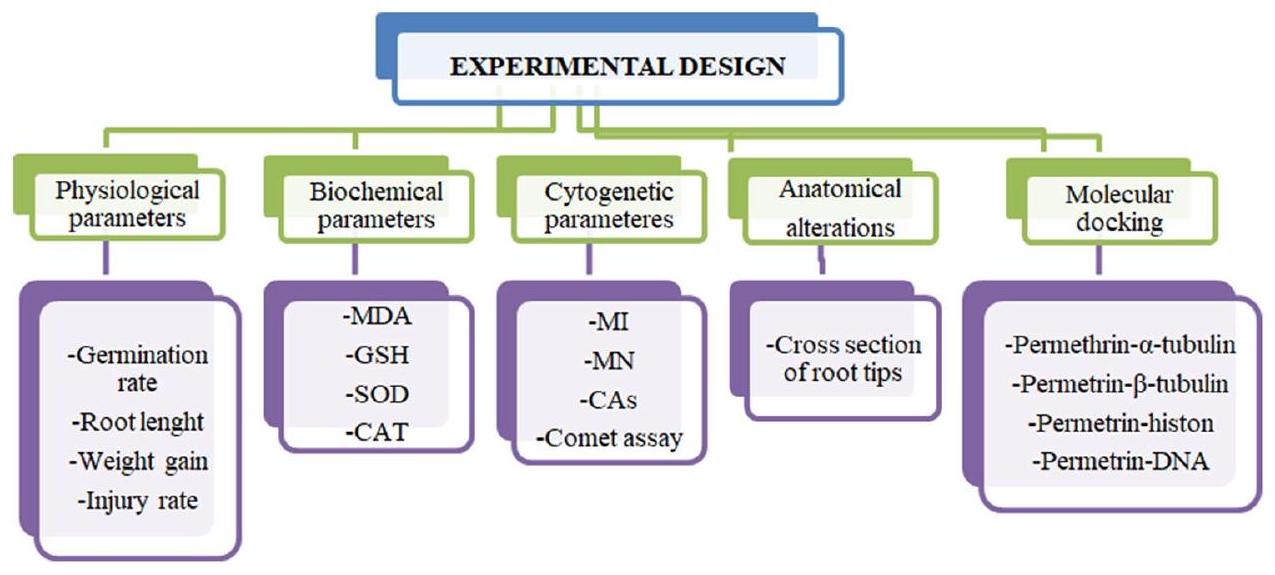
تمت دراسة سمية البيرميثرين والدور الوقائي لزويكس باستخدام اختبار الأليوم. تم الحصول على بصيلات A. cepa من سوق تجاري. لتحديد سمية البيرميثرين والدور الوقائي لزويكس، تم تشكيل 6 مجموعات مختلفة. تم معالجة المجموعة الضابطة (المجموعة الأولى) بمياه الصنبور. تم معالجة المجموعتين الثانية والثالثة بـ زويكس و زوكس، على التوالي، وتم اختبار ما إذا كان لزوكس وحده تأثير سام في هذه المجموعات. تم معالجة المصابيح في المجموعة الرابعة بـ برمثرين. تم دراسة التأثير الوقائي لزويكس ضد سمية البرمثرين كدالة للجرعة، وتم تشكيل المجموعتين V و VI لهذا الغرض. زويكس برمثرين و زويكس برمثرين، على التوالي. حدثت الإنبات في لمدة 72 ساعة (Akgündüz وآخرون 2020). تم دراسة عدة معايير لتحديد سمية البيرميثرين وتأثير زوكس الوقائي. المعايير المدروسة موضحة في الشكل 1.
تم تحديد تأثيرات زوكس و بيرميثرين على الإنبات من خلال زيادة الوزن، طول الجذر، نسبة الإنبات (GP)، ومعدل الإصابة النسبي (RIR). تم تحديد نمو الجذر من خلال قياس طول الجذير وزيادة الوزن من خلال قياس وزن كل بصلة قبل وبعد التطبيق. تم حساب GP باستخدام المعادلة (1) (يالجن وتشافوش أوغلو 2022ب). بالنسبة لاختبار الإنبات، تم اختبار 50 بصلة، ولتحليل طول الجذر وزيادة الوزن، تم اختبار 10 بصيلات. تم حساب RIR باستخدام المعادلة (2).
نسبة البراعم (%) : [عدد المصابيح المنبتة / إجمالي عدد المصابيح]
خارج السيطرة مجموعة العلاج

المعلمات السيتوجينية

لكشف الشذوذات الكروموسومية وتكرار النواة الدقيقة ولتقييم MI، تم جمع عينات من أطراف الجذور من كل مجموعة وخضعت لسلسلة من الإيثانول والتحلل. تم صبغ العينات طوال الليل باستخدام الأسيطوكارمين (5%) وتم فحصها بواسطة ملاحظين مختلفين. تم تحليل ما مجموعه 1000 خلية لتحليل النواة الدقيقة والشذوذات الكروموسومية. تم حساب MI باستخدام المعادلة (3) وتحديده من خلال تحليل 10,000 خلية من كل مجموعة (Tütüncü et al. 2019).
MI (%) = [عدد الخلايا المنقسمة / إجمالي عدد الخلايا]

اختبار المذنب

تم تطبيق تحليل المذنب وفقًا للبروتوكول المقترح من قبل تشاكرابورتي وآخرون (2009). لعزل النواة، تم سحق عينات من طرف الجذر من كل مجموعة برفق في محلول تريس ووضعها في محلول 1% NMPA. تم أخذ أربعين ميكرولتر من التعليق و من تم خلط LMPA برفق، وتم وضع شريحة تغطية على المزيج. بعد التصلب، تمت إزالة شريحة التغطية وتم وضع طبقة من من تم إنشاء LMPA على السطح. تم نقل الشرائح إلى حوض كهربائي يحتوي على Na2EDTA و NaOH. ) وتم إجراء الرحلان الكهربائي لمدة 20 دقيقة عند و سم (20 فولت و 300 مللي أمبير). في نهاية الرحلان الكهربائي، تم شطف الشرائح بمحلول تريس وصبغها ببروميد الإيثيديوم. ) لمدة 5 دقائق. تم تحليل درجات المذنب (طول الذيل) بمساعدة برنامج تحليل المذنب (CASP-version 1.2.3b) (Końca et al. 2003). تم تحليل ما مجموعه 1000 خلية لكل مجموعة، 100 في كل لمبة، لتقييم تلف الحمض النووي. تم تكرار تحليلات المذنب مرتين باستخدام CASP على الشرائح المعدة لكل مجموعة. تم تحليل الخلايا لخمس فئات، من صفر إلى أربعة،
الشكل 1 جميع المعلمات التي تم التحقيق فيها في المراحل التجريبية
وفقًا لطول الحمض النووي الذيل المتفاوت كما ذكر كولينز (2004). تم حساب إجمالي تلف الحمض النووي لكل مجموعة باستخدام المعادلة (4).
وحدة عشوائية
ني، عدد الخلايا في درجة؛ درجة الضرر (0، 1، 2، 3، 4).

دراسة حاسوبية حول تفاعلات البيرميثرين مع الجزيئات الخلوية

من أجل توضيح آلية سمية البيرميثرين، تم أيضًا دراسة تفاعله مع الجزيئات الكبيرة الخلوية بشكل افتراضي. فيما يتعلق باختيار الجزيئات الكبيرة الخلوية، تم اختيار التوبولين وبروتينات الهيستون نظرًا لدورها الأساسي في العمليات الخلوية. التوبولين هو مكون حيوي للميكروتوبولات، وهو ضروري لانقسام الخلايا وبنيتها، بينما تلعب الهيستونات دورًا مركزيًا في تعبئة الحمض النووي وتنظيم الجينات (Çakir et al. 2023). من خلال دراسة كيفية تفاعل البيرميثرين مع هذه الجزيئات الكبيرة، تم الحصول على رؤى حول تأثيراته المحتملة على العمليات الخلوية وآليات السمية الجينية. تم فحص بروتينات البيرميثرين-توبولين لتقييم تلف ألياف المغزل الذي يسبب تأثيرًا أنوجينيًا، وتم فحص تفاعلات البيرميثرين-هيستون والبيرميثرين-DNA من خلال الربط الجزيئي لتقييم التأثير الكلاستوجيني. تم الحصول على هياكل سلسلة ألفا-1B وسلسلة توبولين بيتا (6RZB) (Lacey et al. 2019)، هيستون H2A. 6 وهيستون H2B. 1 (7BP2) (Luo et al. 2020)، دوديكر B-DNA (PDB ID: 1bna) (Drew et al. 1981)، DNA (PDB ID: 1cp8) (Katahira et al. 1998)، ودوديكر B-DNA d (PDB ID: 195d) (Balendiran et al. 1995) من بنك بيانات البروتين. تم استرجاع الهيكل ثلاثي الأبعاد للبيرميثرين (PubChem CID: 40326) من PubChem. تم تطبيق تقليل الطاقة للبروتينات باستخدام Gromos 43B1 باستخدام برنامج Swiss-PdbViewer (Guex and Peitsch 2005) (v.4.1.0) بينما تم إنجاز تقليل الطاقة للبيرميثرين باستخدام مجال القوة UFF من خلال برنامج Open Babel v.2.4.0 (O’Boyle et al. 2011). تم إجراء الربط الجزيئي باستخدام برنامج Autodock 4.2.6 (Morris et al. 2009). تم اختيار دوال التقييم والمعلمات المستخدمة في الربط الجزيئي لتقييم تقارب ارتباط البيرميثرين مع الجزيئات الكبيرة المستهدفة. الطاقة الحرة للارتباط (في تم تقييم الثوابت المثبطة (Ki) ، مما يوفر مقاييس كمية لقوة تفاعلات الليغاند-البروتين.

التحليل الطيفي لتفاعل بيرميثرين مع الحمض النووي

لتأكيد تفاعل الحمض النووي مع البيرميثرين، الذي تم إثباته من خلال الربط الجزيئي، التغيرات في الأشعة فوق البنفسجية
تمت دراسة طيف الحمض النووي المعزول من الأليوم. تم عزل الحمض النووي من خلايا طرف الجذر لنبات A. cepa وفقًا للطريقة التي طورها شارما وآخرون (2002). تم تقييم تفاعلات الحمض النووي مع البيرميثرين من خلال قياس امتصاصات محلول الحمض النووي عند أطوال موجية مختلفة في وجود وغياب البيرميثرين (حمض نووي/بيرميثرين، باستخدام مطياف الامتصاص ثنائي الشعاع Mapada UV-6100PCS.

اضطرابات في توازن مضادات الأكسدة والأكسدة

تم تحديد التأثيرات البيوكيميائية لتطبيق البيرميثرين وزوكس من خلال دراسة التغيرات في توازن مضادات الأكسدة والأكسدة. تم قياس مستويات سوبر أكسيد ديسموتاز وكاتالاز (CAT) والجلوتاثيون (GSH) وجزيء الأكسدة مالونديالديهايد (MDA). تم استخراج أنسجة الجذور قبل التحليل البيوكيميائي. تم استخراج عينات من طرف الجذر (0.5 جرام) في محلول فوسفات، وتم استخدام السائل الطافي الناتج بعد الطرد المركزي للتحليل (يالجن وآخرون 2019). تم تحديد نشاط SOD وفقًا للطريقة المقترحة من قبل أيدين وآخرون (2022). تم خلط محلول فوسفات الصوديوم (1.5 مل) مع كلوريد نيتروبلو ترازوليوم (0.3 مل) والميثيونين (0.3 مل) والريبوفلافين (0.3 مل) وEDTA- ( 0.3 مل ) ، بولي فينيل بيروليدون غير القابل للذوبان ( 0.01 مل ) ، مستخلص ( 0.01 مل ) ، وماء منزوع الأيونات ( 0.28 مل ) تم الاحتفاظ به تحت مصباح فلوري ( 15 واط ) لمدة 10 دقائق. في نهاية الوقت، تم إنهاء التفاعل عن طريق الاحتفاظ به في الظلام وتم قراءة امتصاصية المحلول عند 560 نانومتر وتم التعبير عن النشاط كـ تم إعداد 2.8 مل من خليط التفاعل لقياسات نشاط CAT باستخدام محلول فوسفات أحادي الصوديوم. ماء مقطر وماء الأكسجين تم بدء التفاعل بإضافة 0.2 مل من المستخلص. تم قياس نشاط CAT من خلال مراقبة الانخفاض في الامتصاص عند 240 نانومتر، ويعبر عن نشاط CAT بوحدات لكل ملغ من الوزن الطازج (Demirtaş et al. 2020). من أجل تحديد التغير في مستويات إنزيمات مضادات الأكسدة/الأكسدة، تم قياس مستويات MDA و GSH بالإضافة إلى إنزيمات مضادات الأكسدة. تم إضافة 5% من حمض الثيوباربيتيك (1:1) إلى هريس الجذور وتم حضنه في لمدة 25 دقيقة لتحليل MDA. بعد الحضانة في درجات حرارة مرتفعة، تم طرد الخليط مركزياً عند وتم قياس الامتصاص عند 532 نانومتر. تم تحديد تركيز MDA كـ تم إجراء تحليل GSH باستخدام بروتوكول كورت وآخرون (2023). تم قياس كل معلمة ثلاث مرات.

آثار التعافي من زوكس

تم تحديد آثار التعافي من زوكس باستخدام بيانات مجموعات التطبيق التي تحتوي على البيرميثرين + زوكس، وبيانات
مجموعة تطبيق البيرميثرين، وبيانات مجموعة التحكم (المعادلة 5).
بيانات مجموعة المعالجة بمادة البيرميثرين + زوكس؛ بيانات من مجموعة المعالجة بمادة البيرميثرين؛ بيانات مجموعة التحكم.

تغيرات تشريحية

لتحديد التغيرات التشريحية في أطراف الجذور، تم أخذ مقاطع عرضية من جذور كل مجموعة. تم صبغ المقاطع باللون الأزرق الميثيليني (5%) لمدة 4 ساعات. تم فحص مقاطع الجذور لكل مجموعة باستخدام ميكروسكوب بحثي وتم تحديد تكرار الشذوذات (تشافوش أوغلو ويالتشين 2023).

التحليل الإحصائي

تم تفضيل برنامج “IBM SPSS Statistics 22” لتحليل البيانات إحصائيًا. تم تحديد الدلالة الإحصائية بين جميع البيانات المعطاة كمتوسط. تم تحديد الانحراف المعياري بواسطة تحليل التباين الأحادي واختبار دانكان واعتُبر ذا دلالة إحصائية عندما .

النتائج والمناقشة

تظهر تأثيرات تطبيقات البيرميثرين وزوكس على معايير الإنبات في A. cepa في الجدول 1. لم تكن هناك اختلافات إحصائية من حيث نسبة الإنبات، طول الجذور، وزيادة الوزن في المجموعة الضابطة، والمجموعتين الثانية والثالثة المعالجتين بزوك فقط. وُجد أن نسبة الإنبات كانت في مجموعة المعالجة بالبرمثرين (المجموعة الرابعة)، مما يمثل انخفاضًا بمقدار 1.53 مرة مقارنةً بالتحكم. لوحظت تخفيضات مماثلة في طول الجذور وزيادة الوزن، مع
انخفاض في استطالة الجذور و انخفاض في زيادة الوزن في مجموعة المعالجة بالبرمثرين مقارنة بمجموعة التحكم. من بين جميع مجموعات العلاج، تم ملاحظة أعلى معدل ضرر، وهو 0.53، في مجموعة المعالجة بالبرمثرين. يمكن تفسير الشذوذ في المعلمات المتعلقة بالإنبات من خلال السمية الخلوية الناتجة عن البرمثرين. ترتبط الاستجابات الفسيولوجية للنباتات للمبيدات الحشرية ارتباطًا وثيقًا بعملية التمثيل الضوئي أو الإجهاد التأكسدي. يمكن أن يكون للمبيدات الحشرية تأثير فتاك مباشر من خلال تعطيل نظام التمثيل الضوئي II، أو الكلوروفيل، أو تخليق البلاستيدات الخضراء. كما أنها تحفز إنتاج أنواع الأكسجين التفاعلية ويمكن أن يكون لها تأثير غير مباشر من خلال التسبب في تلف المكونات الخلوية من خلال الإجهاد التأكسدي. يمكن أن تؤدي كل من التأثيرات المباشرة وغير المباشرة إلى تعطيل الاستجابات الفسيولوجية ووقف النمو في النباتات. تسبب مبيدات الحشرات البيريثرويد، بما في ذلك البرمثرين، تثبيط تطور الجذور والسيقان في النباتات، وتغيرات في مستويات أصباغ التمثيل الضوئي، مما يسبب شذوذًا في النباتات غير المستهدفة (تانغ وآخرون 2018). في الخلايا المعرضة للبرمثرين، يحدث تعطيل لتوازن نظام مضادات الأكسدة وتلف أكسيدي للجزيئات الكبيرة مثل الحمض النووي، والدهون، والبروتين (وايدينجر وكوزلوف 2015). ومع ذلك، يسبب البرمثرين أيضًا تثبيط المعقدات في نظام سلسلة نقل الإلكترون، وهذا التأثير يسبب تعطيلًا في العمليات الضوئية ويؤخر عملية الإنبات (فالتشوني وآخرون 2010). بسبب الآثار السلبية للبرمثرين، تتأثر سلبًا إنبات وتطور A. cepa. أفاد تشافوش أوغلو وآخرون (2012) أن مبيد حشري بيريثرويد، السيبريمثرين، قلل بشكل كبير من مستويات أصباغ التمثيل الضوئي في . السيلينيوم، وكان هذا الانخفاض مرتبطًا بالتوتر الذي يحدث في الخلية وبتثبيط آليات التخليق الحيوي. وأكد بورويك وآخرون (2023) أن تطبيق البيرميثرين في الذرة (Zea mays) تسبب في انخفاض في إنتاج الأجزاء الهوائية و انخفاض في الجذور. كان هناك تحسن مرتبط بالجرعة في معايير الإنبات في المجموعات المعالجة بالبرميثرين + زوكس. زادت طول الجذر بنسبة 52.1%
الجدول 1 تأثيرات البيرميثرين وزوكس على معايير الإنبات
مجموعات الهامش الإجمالي (%) طول الجذر (سم) الوزن الابتدائي (غ) الوزن النهائي (غ) زيادة الوزن (غ) معدل الإصابة النسبي
أنا 100 ND
الثاني 100 ND
ثالثاً 100 ND
الرابع 65 0.53
ف 71 0.29
السادس 79 0.21
وزيادة الوزن زادت بمقدار في المجموعة السادسة المطبقة مع زويكس + بيرميثرين مقارنةً بالمجموعة التي تم فيها تطبيق بيرميثرين فقط. بينما كانت نسبة الضرر المحسوبة بناءً على معدلات الإنبات 0.53 في مجموعة بيرميثرين، انخفضت إلى 0.29 في المجموعة المعالجة بـ زويكس + بيرميثرين إلى 0.21 في المجموعة السادسة المعالجة بـ زوكس + بيرميثرين. تظهر هذه النتائج أن التأثيرات السامة لبيرميثرين على الإنبات تتراجع في وجود زوكس، وأن زوكس له تأثير وقائي. يمكن تفسير الخاصية الواقية لزوكس من خلال تحييد الإجهاد التأكسدي الذي يسببه بيرميثرين. من المعروف أن زوكس يحتوي على العديد من المكونات مثل المركبات الفينولية، الشوجاول، البارادول، الزنجبيرول، الزنجبيرين، البيسابولين، والفيتامينات A و C و E (النهين وآخرون 2014). تحمي هذه المركبات النشطة الخلايا من تأثيرات العوامل السامة. يرتبط التأثير الوقائي لزوكس بالأنشطة البيولوجية للمواد الكيميائية النباتية النشطة في تركيبه. نتيجة لذلك، تسبب بيرميثرين في تراجع في المعايير المتعلقة بالإنبات في A. cepa، بينما قدم تطبيق زوكس تحسينًا يعتمد على الجرعة.

ديناميكية مضادات الأكسدة/الأكسدة

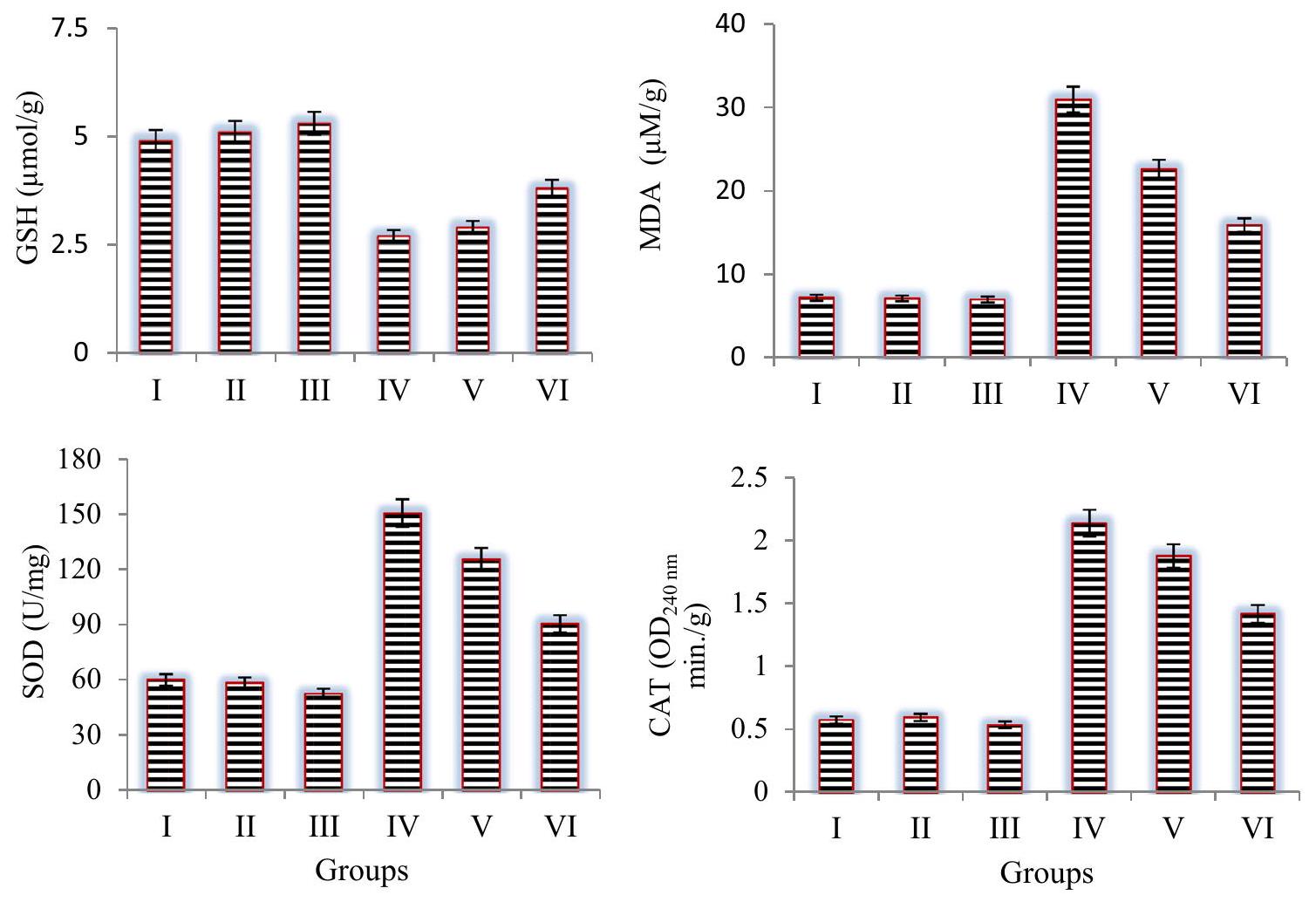
لدراسة تأثير البيرميثرين وزوكس على التوازن بين مضادات الأكسدة والأكسدة، تم قياس مستويات CAT وSOD وGSH وMDA (الشكل 2). لوحظ زيادة كبيرة في أنشطة إنزيمات مضادات الأكسدة في المجموعة الرابعة التي تم فيها إعطاء البيرميثرين. تشير الزيادة في أنشطة الإنزيمات بسبب تطبيق البيرميثرين إلى أن الخلية محمية من الإجهاد التأكسدي. يؤدي الإجهاد التأكسدي إلى أكسدة الدهون والبروتينات والأحماض النووية وتثبيط الإنزيمات. يتم تحفيز إنزيمات مضادات الأكسدة في الخلية ضد هذا الضرر الناتج عن الإجهاد التأكسدي (أحمد وآخرون 2010). في هذه الدراسة، تُظهر الزيادة في إنزيمات SOD وCAT في المجموعة المعالجة بالبيرميثرين أن تطبيق البيرميثرين يسبب إجهادًا تأكسديًا. وبالمثل، أفاد تشافوش أوغلو وآخرون (2012) أن الجرعات المنخفضة من السيبرمثرين، وهو مبيد حشري من نوع البيريثرويد، تحفز نشاط CAT. تشير الشذوذات في مستويات GSH وMDA أيضًا إلى الإجهاد التأكسدي. بينما انخفضت مستويات GSH بنسبة في مجموعة المعالجة بالبرمثرين، زادت مستويات MDA بـ مقارنةً بالتحكم. تشير هذه النتيجة إلى أن البيرميثرين يسبب إجهادًا تأكسديًا، وبشكل خاص، يتسبب في
الشكل 2 تأثيرات البيرميثرين وزوكس على ديناميات مضادات الأكسدة/الأكسدة
أكسدة الدهون. MDA هو ناتج ثانوي لأكسدة الأحماض الدهنية غير المشبعة. تشير حقيقة أن تطبيق البيرميثرين يسبب زيادة في مستويات MDA في A. cepa إلى تطور الإجهاد التأكسدي وأكسدة الدهون. تحتوي معظم أنسجة النباتات العليا والخلايا والعضيات على GSH. من بين العديد من الخصائص المضادة للأكسدة، يتفاعل GSH مباشرة مع الجذور الحرة ويقضي عليها (هاوسلادين وألسشر 1993؛ كيركسك وويليبي 2005). يُقترح أن الانخفاض في مستويات GSH في مجموعة المعالجة بالبيرميثرين يعود إلى أكسدة GSH أثناء قضاء الجذور الحرة عليها. وبالمثل، وجد Çavuşoğlu وآخرون (2014) أن اللّامدا-سايهايلوثرين، وهو مبيد حشري مثل البيرميثرين، تسبب في زيادة مستويات MDA في خلايا طرف جذر الأليوم. أفاد غابيانيللي وآخرون (2013) أن إدارة زاد البيرميثرين من أكسدة الدهون وانخفضت نشاط GSH و CAT في الجرذان. أدى الإعطاء المشترك لزويكس والبيرميثرين إلى تحسين توازن مضادات الأكسدة والأكسدة. في المجموعة التي تتلقى زويكس + بيرميثرين، لوحظ انخفاض بمقدار 2.2 ضعف في مستويات MDA وزيادة بمقدار 1.3 ضعف في مستويات GSH مقارنةً بالمجموعة التي تلقت بيرميثرين فقط. وهذا يدل على أن القوة المضادة للأكسدة في الخلية تزداد. كما بدأت أنشطة SOD و CAT، التي زادت بشكل ملحوظ في المجموعة المعالجة بالبيريثرين، في الانخفاض. انخفضت نشاطات زوكس + بيرميثرين، SOD و CAT بـ الأوقات مقارنةً بالمجموعة التي تتلقى البيرميثرين فقط. تأثير تحسين توازن مضادات الأكسدة لزويكس يعود إلى المكونات النشطة في المحتوى، وخاصة الزنجرول والشوجاول. الزنجرول والشوجاول هما مركبان قويان مضادان للأكسدة يظهران نشاطًا مضادًا للأكسدة بعدة طرق. تأثيرهما الرئيسي كمضادات أكسدة هو تثبيط إنتاج أنواع الأكسجين التفاعلية. الزنجرول والشوجاول يثبطان تكوين الجذور الحرة الهيدروكسيلية الناتجة من تفاعل فينتون (كوهاد وآخرون 2006؛ دوغاساني وآخرون 2020). علاوة على ذلك، من خلال زيادة التعبير عن الجينات المشاركة في تخليق الجلوتاثيون، مثل لياز السيستين الجلوتامات، يزيد 6-شوجاول أيضًا من مستويات GSH داخل الخلايا ويوفر حماية كبيرة (ماو وآخرون 2019). تحسين توازن مضادات الأكسدة والأكسدة تم من خلال الإعطاء المشترك لزويكس والبيرميثرين.
في المجموعة التي تتلقى زويكس + بيرمثرين، تم ملاحظة انخفاض بمقدار 2.2 ضعف في مستويات MDA، وانخفاض بمقدار 1.5 إلى 1.6 ضعف في أنشطة SOD و CAT، وزيادة بمقدار 1.3 ضعف في مستويات GSH. تأثير زويكس في تحسين توازن مضادات الأكسدة يعود إلى المكونات النشطة في المحتوى، وخاصة الزنجرول والشوغول. الزنجرول والشوغول هما مركبان قويان مضادان للأكسدة يظهران نشاطًا مضادًا للأكسدة بعدة طرق. التأثير الرئيسي لمضادات الأكسدة هو تثبيط إنتاج ROS. الزنجرول والشوغول يثبطان تكوين الجذور الحرة الهيدروكسيلية الناتجة عن تفاعل فينتون (كوهاد وآخرون 2006؛ دوغاساني وآخرون 2020). علاوة على ذلك، من خلال زيادة تعبير الجينات المشاركة في تخليق الجلوتاثيون، مثل لياز السيستين الغلوتامات، يزيد 6-شوغول أيضًا من مستويات GSH داخل الخلايا ويوفر حماية كبيرة (ماو وآخرون 2019). نتيجة لذلك، تسبب بيرمثرين في تدهور توازن مضادات الأكسدة/الأكسدة في . أظهرت تطبيقات زويكس تأثيرات واقية من خلال زيادة مستوى GSH وتقليل مستوى MDA.

آثار سامة للخلايا

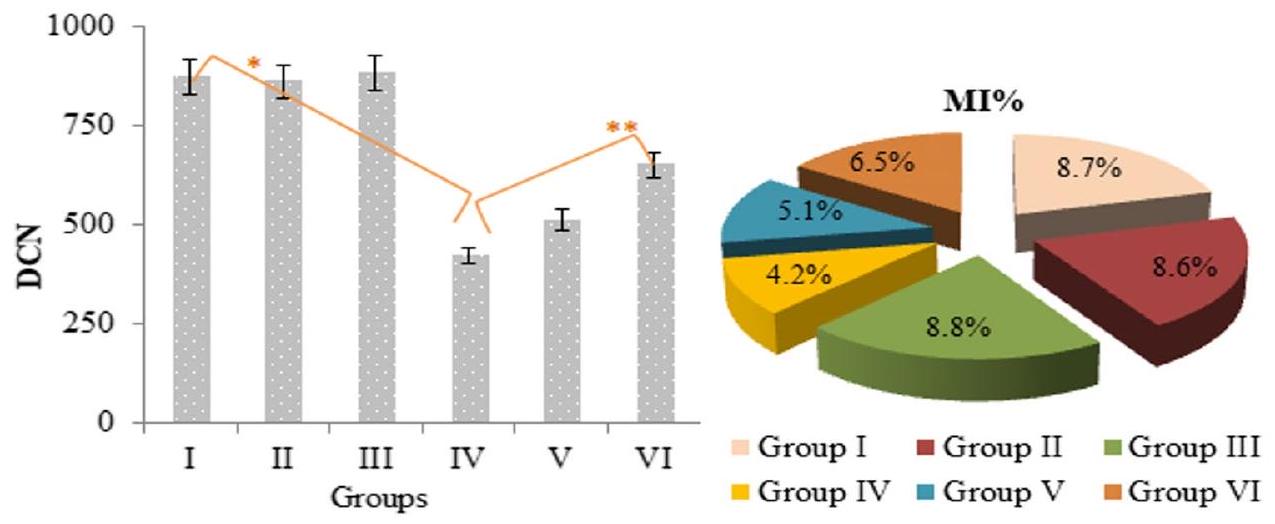
تمت دراسة التأثيرات السيتوجينية للبرمثرين وزوكس من خلال معدل الانقسام الخلوي وتكرار النوى الدقيقة والتشوهات الكروموسومية. وُجد أن عدد الخلايا المنقسمة ضمن 10,000 خلية تم عدها في مجموعات التحكم والمجموعات المعالجة بزوك كان في نطاق 860.48-880.90. في مجموعة المعالجة بالبرمثرين، انخفض عدد الخلايا المنقسمة بـ إلى 420.66 (الشكل 3). MI هو مؤشر موثوق للسمية الخلوية في الخلايا الحية. تنخفض معدلات MI بأقل من تشير إلى تأثير دون القاتل، بينما التخفيضات فوق تشير إلى تأثير قاتل. وفقًا لهذا التمييز، لوحظ أن البيرميثرين قد يظهر تأثيرًا قاتلًا في خلايا طرف الجذر لنبات A. cepa. تظهر العوامل السامة للخلايا تأثيرها المخفض على معدلات الانقسام الخلوي من خلال تثبيط تشكيل الأنابيب الدقيقة. كما أن التشوهات الكروموسومية مثل الطور الانتقائي المتعدد، والميتوزيس السيتوبلازمي، والكروموسومات اللاصقة مرتبطة أيضًا بتثبيط تشكيل الأنابيب الدقيقة وألياف المغزل. في المجموعة المعالجة بالبيرميثرين، كانت هناك ترددات عالية لتكوين النوى الدقيقة.
الشكل 3 تأثيرات البيرميثرين وزوكس على عدد الخلايا المنقسمة ومؤشر الانقسام. النجمة (*) تشير إلى دلالة إحصائية بين المجموعة الضابطة والمجموعة الرابعة، و** تشير إلى دلالة إحصائية بين المجموعتين الرابعة والسادسة.
الجدول 2 الدور الوقائي لزويكس ضد السمية الجينية الناتجة عن البيرميثرين
تحكم زويكس زويكس برمثرين برمثرين + زويكس برمثرين + زويكس
MN
FRG
SC
VN
UDC
ب
قبل الميلاد
RP
أ
ب
ج د
ف ج ح
نواة دقيقة (أ) الجزء (ب)، الكروموسوم اللزج (ج) نواة مفرغة (د) توزيع غير متساوٍ للكروماتين (هـ) جسر خلية ثنائية النواة (ج) الاستقطاب العكسي (هـ). القيم المعروضة بحروف مختلفة في نفس العمود ذات دلالة إحصائية. الشريط:
تمت ملاحظته أيضًا، جنبًا إلى جنب مع انخفاض في معدل MI. تم اكتشاف تشكيل MN في إجمالي 72.84 خلية في المجموعة المعالجة بالبرميثرين (الجدول 2). تدعم التردد العالي لـ MN، الذي تم اكتشافه في مجموعة البرميثرين، أيضًا الانخفاض في معدل MI. يمكن أن تؤدي الشذوذات المغزلية، التي تؤدي إلى انخفاض في معدل MI، أيضًا إلى تحفيز تشكيل MN (فينش ونيفيل 1992). وجد دليك (1998) أن إعطاء البرميثرين بتركيزات من خفضت بشكل كبير معدل الانقسام الخلوي في الثقافات الخلوية وأظهرت تأثيرات سيتوستاتية من خلال تراجع دورة الخلية. أفاد روما وآخرون (2012) أن تطبيق البيرميثرين أدى إلى تلف المادة الوراثية وتم ملاحظة تكوين MN في الدورة الخلوية الأولى بعد 24 ساعة من التطبيق. تم العثور على التغيرات الشاذة التي لوحظت في معدلات الانقسام الخلوي وMN تتراجع في المجموعات المعالجة بالبيرميثرين + زوكس. تم إعطاء زوكس مع البيرميثرين تسبب في زيادة في معدل MI و انخفاض في تردد MN مقارنة بالمجموعة الرابعة. تُظهر هذه النتيجة التأثيرات الوقائية لزويكس ضد السمية الخلوية الناتجة عن البيرميثرين. يتسبب البيرميثرين عمومًا في إجهاد أكسدي في الخلايا وأكسدة في الجزيئات الكبيرة. واحدة من الجزيئات المستهدفة الرئيسية للتلف الناتج عن الأكسدة بسبب البيرميثرين هي البروتينات. من المعروف أن تكوين بروتينات الكربونيل يزداد نتيجة للأكسدة الناتجة عن البيرميثرين (سيلامي وآخرون 2014). كما أن أكسدة الألياف المغزلية والأنابيب الدقيقة في بنية البروتين تؤدي أيضًا إلى تثبيط وظيفة هذه البروتينات، وتعطيل
دورة الانقسام الميتوزي وتكوين MN. يحمي زوكس الخلايا من مثل هذه الأكسدة ويضمن استمرار دورة الانقسام الميتوزي الطبيعية. المركبات الفينولية مثل الزنجرول والشوجول في زوكس لها تأثير في تقليل الإجهاد التأكسدي وزيادة مستويات مضادات الأكسدة مثل GSH. هذا التأثير أيضًا يعادل الضرر التأكسدي في الخلايا ويحمي البروتينات مثل المغزل وغيرها من الجزيئات الكبيرة من الضرر (كوهاد وآخرون 2006؛ دوغاساني وآخرون 2020). أفاد أوكيسولا وآخرون (2019) أن Z. officianale قلل من تكرار تكوين MN وحسن معدلات MI، وأفادوا أن هذه الخاصية الواقية كانت بسبب المكونات النشطة مثل الفينولات والصابونين والقلويدات في الزنجبيل. نتيجة لذلك، أظهر البيرميثرين تأثيرًا جينيًا عن طريق التسبب في انخفاض معدلات MI وزيادة تكرار MN، بينما قدم تطبيق زوكس الحماية ضد السمية الخلوية، وكان يُعتقد أن هذه الحماية مرتبطة بالمركبات النشطة في زوكس.

التأثيرات الجينية

تم إجراء اختبار الشذوذ الكروموسومي لتقييم التأثيرات الجينية المحتملة لتطبيقات البيرميثرين وزوكس على . خلايا طرف جذر cepa والنتائج موضحة في الجدول 2. بينما لم يتم العثور على أي شذوذ كروموسومي في مجموعات زوكس فقط، تم العثور على تكوين كروموسومات لزجة غير دالة إحصائيًا في مجموعة التحكم ( ). تم الكشف عن معدلات عالية من الشذوذ الكروموسومي
تم الكشف عن تشكيلات في المجموعة الرابعة، التي تم إعطاؤها البيرميثرين فقط. بينما تحدث الشظايا بأعلى تكرار بين الشذوذ الكروموسومي، فإن الكروموسومات اللزجة، النواة المتجوفة، التوزيع غير المتساوي للكروماتين، الجسر، الخلايا ثنائية النواة، والاستقطاب العكسي هي الشذوذ الكروموسومي الأخرى. إن حقيقة أن البيرميثرين يسبب الشظايا بمعدل مرتفع تظهر أنه يحفز الانكسارات في الحمض النووي. في المراحل اللاحقة من انقسام الخلايا، تصبح هذه الشظايا MN. الشذوذ الآخر الذي يسببه البيرميثرين يعرف باسم الكروموسوم اللزج، الذي يتطور نتيجة لزيادة تفكك الحمض النووي، وتكثيف الكروموسومات، والانحلال الجزئي للبروتينات النووية. الكروموسومات اللزجة هي علامة على عواقب ضارة للغاية لأنها غالبًا ما تكون غير قابلة للعكس وقد تسبب موت الخلايا. الكروموسومات المتشردة، التي يتم اكتشافها بتكرار عالٍ نتيجة لتطبيق البيرميثرين، تعمل بشكل منفصل عن مجموعة الكروموسومات التي تُسحب إلى الأقطاب، مما يتسبب في فصل غير متساوٍ لعدد الكروموسومات في خلايا الابنة (خانا وشارما 2013). إن حقيقة أن البيرميثرين يحفز أنواعًا مختلفة من الشذوذ الكروموسومي وأن كل شذوذ يحدث بآليات مختلفة تشير إلى أن البيرميثرين لا يظهر تأثيرًا جينيًا محددًا ولكنه يحفز تشكيلات الشذوذ الكروموسومي بآليات متعددة. أفاد فالتشوني وآخرون (2010) أن تسبب البيرميثرين في روابط عبر الحمض النووي وتلف الحمض النووي بسبب الإجهاد التأكسدي في الجرذان. قلل تطبيق زوكس من التأثيرات الجينية للبيرميثرين. إجمالي زوكس عكس الشذوذ الكروموسومي الذي يسببه البيرميثرين في نطاق ، بينما زوكس قلل من التكرار بين 41.3 و (الشكل 4). يمكن تفسير التأثيرات الواقية لزوكس ضد الشذوذ الكروموسومي من خلال نشاطه المضاد للأكسدة. يحفز البيرميثرين الشذوذ الكروموسومي عن طريق التسبب في أكسدة الحمض النووي. يمنع زوكس تلف الحمض النووي عن طريق تقليل الإجهاد التأكسدي
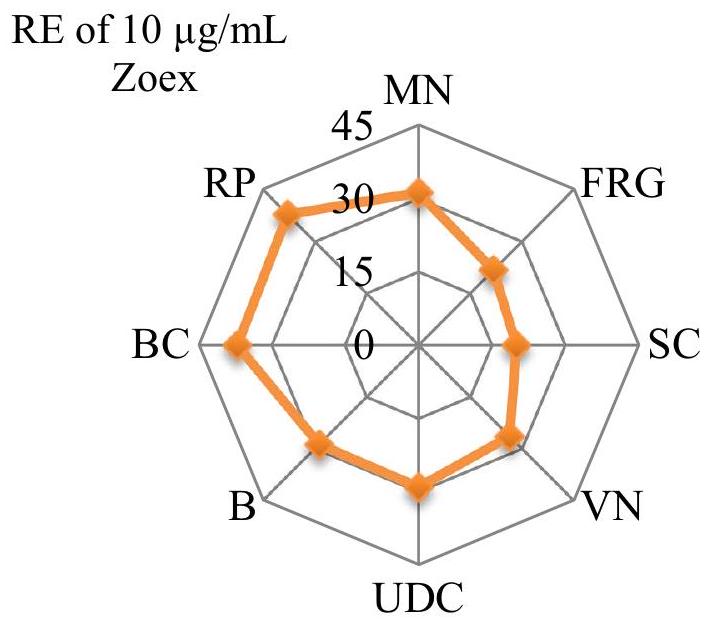
الشكل 4 تأثيرات الاسترداد (RE) لتطبيق زوكس ضد MN والشذوذ الكروموسومي
التي يسببها البيرميثرين ويوفر الحماية ضد الشذوذ الكروموسومي. يُعتقد أن زوكس له تأثير مضاد للأكسدة يحمي من الجذور الحرة وبالتالي قد يقلل من التأثيرات الجينية. يرتبط هذا التأثير لزوكس ارتباطًا وثيقًا بمكوناته النشطة، والزنجرول، والزنجيرون، والشوجول التي يحتوي عليها مسؤولة عن معظم تأثيراته البيولوجية. الشوجول هو منشط لـ Nrf2 وبالتالي يوفر حماية عالية ضد الأمراض الناتجة عن الإجهاد التأكسدي. يظهر الزنجرول، الذي تم اكتشافه في محتوى زوكس، تأثيرًا قويًا مضادًا للأكسدة من خلال منع التعبير عن السيكلوأوكسيجيناز وإنتاج ROS الناتج عن مصادر خارجية (كيم وآخرون 2017). بسبب التأثير التراكمي لجميع هذه المواد الكيميائية النباتية، يتمتع زوكس بنشاط مضاد للأكسدة قوي. زوكس، الذي له نشاط مضاد للأكسدة عن طريق خلب أيونات المعادن والتخلص من الجذور الحرة للهيدروكسيل وبيروكسيد الهيدروجين، له أيضًا تأثير واقٍ ضد تلف الحمض النووي. يتم تحقيق هذا التأثير من خلال منع إضافات الحمض النووي وحماية سلاسل الحمض النووي من هجوم الجذور الحرة. النتائج التي تم الحصول عليها في دراستنا تؤكد أيضًا الدراسات في الأدبيات. وجدت جينا وآخرون (2016) أن زوكس والمركبات النشطة منعت التأثيرات السلبية للإشعاع الجاما على الحمض النووي الخلوي. وبالمثل، أفاد العموضي (2018) أن زوكس له خصائص واقية ضد السمية الجينية الناتجة عن اللambda-cyhalothrin، وهو مبيد حشري من نوع البيريثرويد مثل البيرميثرين. نتيجة لاختبار الشذوذ الكروموسومي، تم تحديد أن البيرميثرين تسبب في أنواع مختلفة من الشذوذ وأن تكرار الشذوذ انخفض نتيجة لتطبيق زوكس.

آلية السمية الخلوية والجينية المدعومة بالتجميع الجزيئي
التجميع الجزيئي هو تقنية نمذجة حسابية تستخدم للتنبؤ وتحليل التفاعلات الجزيئية بين جزيء ليد صغير، مثل البيرميثرين في هذه الدراسة،
RE من
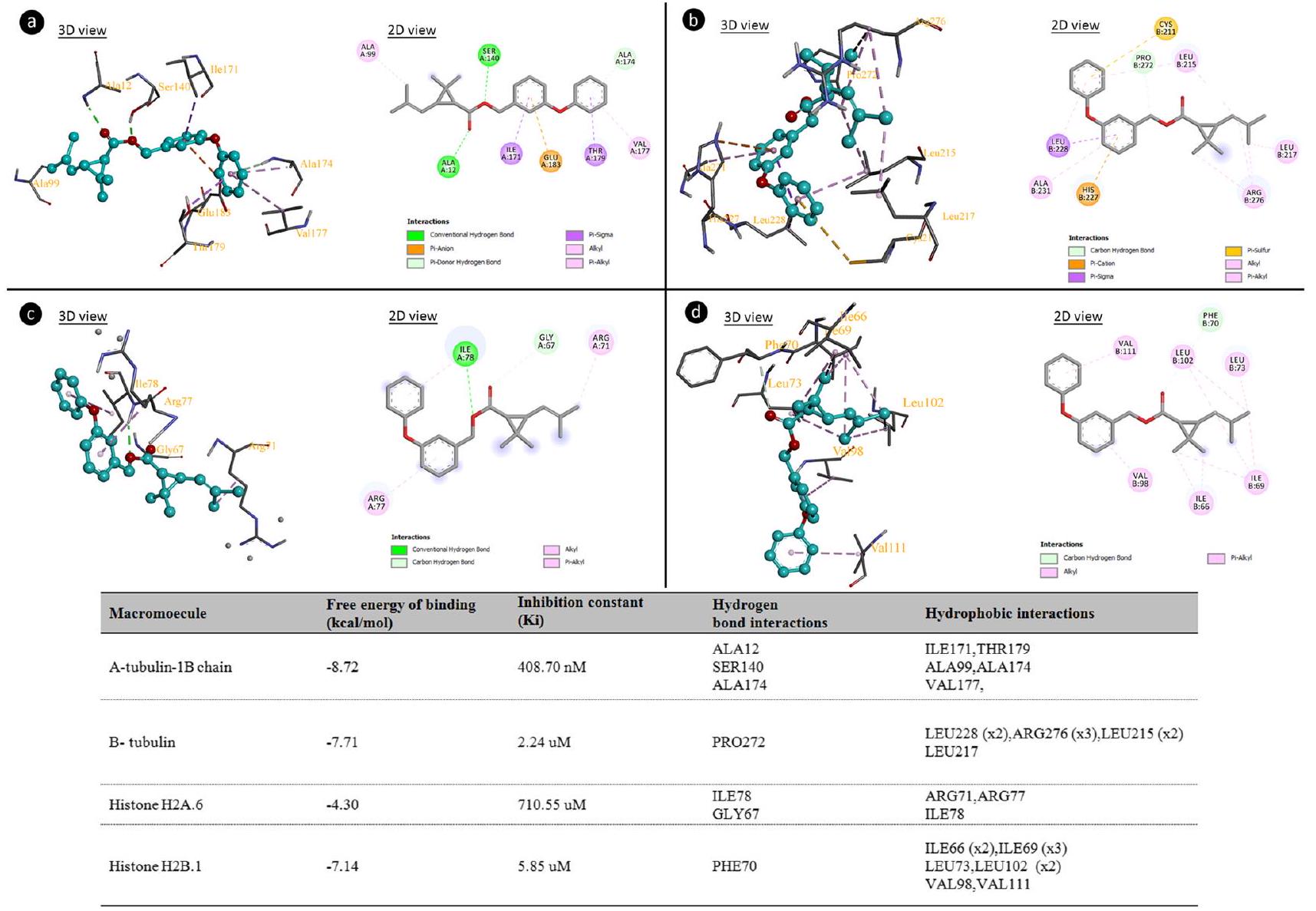
الشكل 5 تفاعل البيرميثرين مع – التوبولين (أ)، – التوبولين (ب)، الهيستون H2A. 6 (ج)، الهيستون H2B. 1 (د)
وجزيء ماكروموليكي مستهدف، مثل البروتينات (التوبولين، الهيستونات) أو الحمض النووي. الهدف الأساسي هو توقع الترتيب ثلاثي الأبعاد وقوة الربط للمجمع الذي يتكون من الليجند والهدف. يعتمد هذا التنبؤ على التوافق الهندسي والقوى بين الجزيئات بين الليجند وموقع الربط على الجزيء الكبير (أغو وآخرون 2023). تم توضيح آليات السمية الخلوية والجينية للبيرميثرين من خلال التجميع الجزيئي. لتحديد آلية العمل السمي، – و – تم اختيار بروتينات التوبولين كليغندات مستهدفة. تظهر تفاعلات البيرميثرين و – بروتينات التوبولين في الشكل 5. يتفاعل البيرميثرين مع الأحماض الأمينية الألانين والسيرين في – التوبولين عبر روابط هيدروجينية. كما أنه يشكل تفاعلات كارهة للماء مع أحماض أمينية مثل الليوسين والثريونين. يتمتع البيرميثرين بطاقة ربط قدرها وثابت تثبيط قدره 408.70 نانومتر لـ – التوبولين. وبالمثل، يتفاعل البيرميثرين مع – التوبولين، حيث تحدث هذه التفاعلات من خلال الروابط الهيدروجينية مع البرولين والتفاعلات الكارهة للماء مع أحماض أمينية الليوسين. تتكون المغازل الميتوزية من الأنابيب الدقيقة التي تفصل الكروموسومات. – و – بروتينات التوبولين تتجمع لتشكيل الأنابيب الدقيقة. يمكن أن يؤدي تلف هذه
البروتينات أيضًا إلى تعطيل تجميع الأنابيب الدقيقة. إن التفاعل المحتمل للبيرميثرين مع بروتينات التوبولين يؤدي إلى شذوذ في بنية البوليببتيد. نتيجة لهذا الشذوذ، يتم منع تجميع الأنابيب الدقيقة ويتم تقييد حركة الكروموسومات نحو الأقطاب، مما يؤدي إلى تعطيل المراحل الميتوزية والشذوذ الكروموسومي. تعتبر تفاعلات البيرميثرين-التوبولين أساس التأثير السمي للبيرميثرين، والذي يتجلى من خلال انخفاض معدل MI في A. cepa. قد يحدث التأثير الجيني للبيرميثرين نتيجة لتفاعلات البيرميثرين-الهيستون (الشكل 5) وتفاعلات البيرميثرين-DNA (الشكل 6). يتمتع البيرميثرين بالطاقة الربطية -4.30 و وثابت تثبيط قدره و مع الهيستون H2A. 6 وبروتينات الهيستون H2B. 1، على التوالي. يتفاعل البيرميثرين وبروتينات الهيستون بشكل كاره للماء من خلال مجموعة متنوعة من بقايا الأحماض الأمينية. الهيستونات هي بروتينات ترتبط بالحمض النووي وتمنعها من التشابك وتحميها من التلف. بالإضافة إلى ذلك، تلعب الهيستونات أيضًا دورًا مهمًا في تنظيم الجينات وتكرار الحمض النووي. يؤدي تعطيل التفاعل بين الهيستون والحمض النووي، الذي يرتبط بالتفاعلات الكهروستاتيكية وروابط الهيدروجين، إلى إضعاف سلامة الحمض النووي (سها وآخرون 2017).
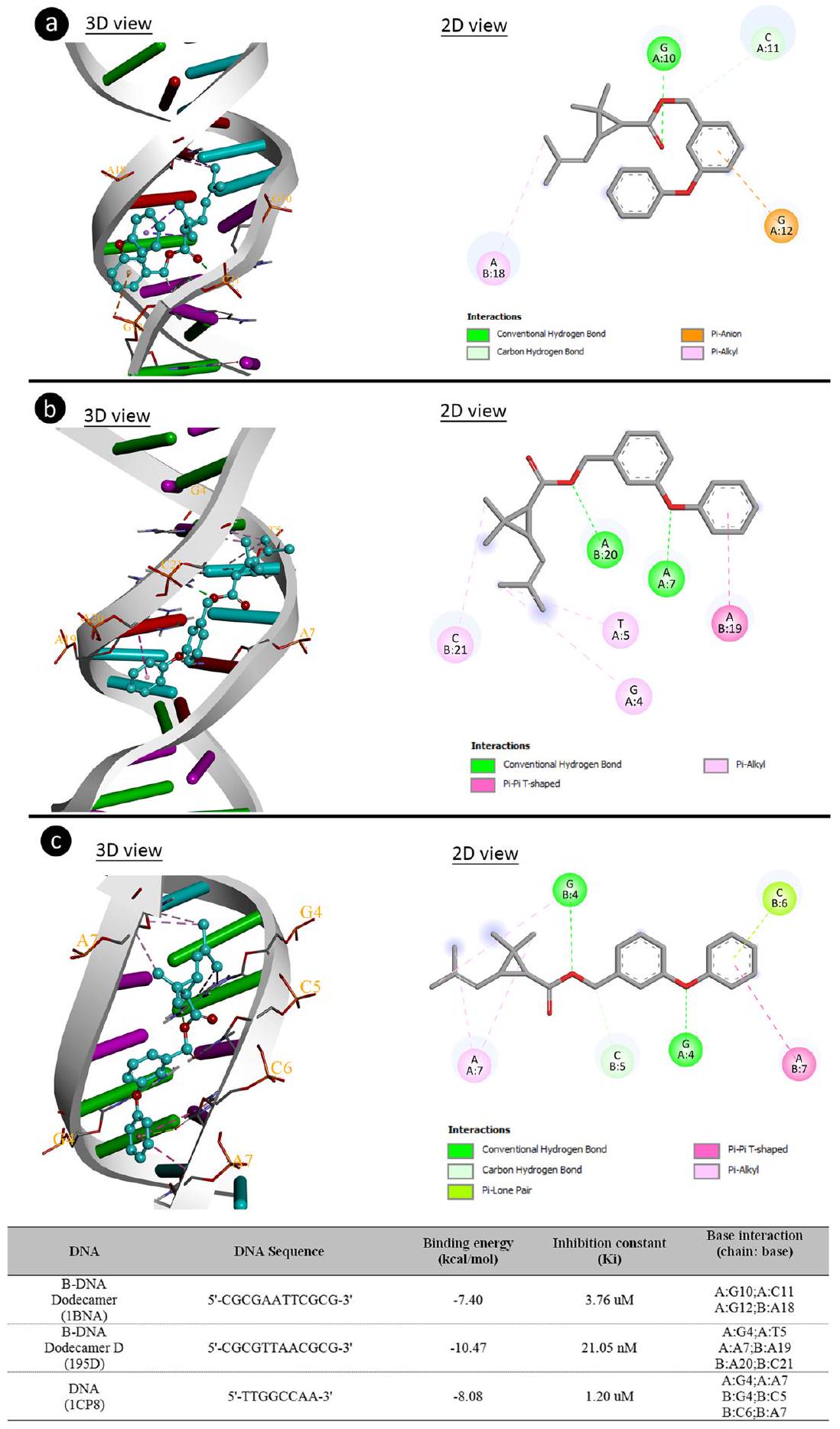
الشكل 6 تفاعل البيرميثرين-DNA BNA (أ)، 195D (ب)، 1CP8 (ج)
يتفاعل البيرميثرين مع بروتينات الهيستون، مما يضعف الرابطة بين الحمض النووي والهيستون، مما يؤدي إلى تدهور أو انحلال الحمض النووي وبنية الكروموسوم. قد يكون أحد الآليات للتأثير الجيني السام للبيرميثرين هو تفاعلات البيرميثرين مع الهيستون. بعد تحليل الربط الجزيئي مع تسلسلات الحمض النووي المختلفة، وُجد أن البيرميثرين يتفاعل مع G10 وC11 وG12 في السلسلة A ومع A18 في السلسلة B من 1BNA. تفاعل البيرميثرين مع G4 وT5 و
أ7 في السلسلة A وأ19، أ20، وC21 في السلسلة B من 195D. كانت تفاعل البيرميثرين و1CP8 نتج عنه طاقة ربط قدرها نتيجة لعملية الربط الجزيئي مع ثلاثة جزيئات هدف DNA مختلفة، وُجد أن البيرميثرين يمكن أن يؤثر على بنية DNA من خلال الارتباط بمناطق غنية بقواعد G-C-G وG-T وA-A-C وG-C-C-A. بالإضافة إلى ذلك، يمتلك البيرميثرين إمكانيات التداخل. المواد المتداخلة لها مجموعة واسعة من التأثيرات البيولوجية.
غير الحمض النووي. من بين هذه التأثيرات تشمل تثبيط تخليق الحمض النووي أو الحمض النووي الريبي، طفرات الإزاحة، وانكسارات الحمض النووي المرتبطة بالبروتين. وُجد أن البيرميثرين له تأثير جيني سام من خلال الارتباط بأنواع مختلفة من الحمض النووي ومن خلال عمله كعامل إدخال. المركبات القادرة على الإدخال في الحمض النووي تؤدي إلى زيادة في التأثيرات الكلاستوجينية. نتيجة لهذه التأثيرات، قد تحدث شذوذات في تخليق الحمض النووي، انكسارات في الخيوط، إدراج، حذف، أو إعادة ترتيب الكروموسومات (فيرغسون وديني 2007).

تفاعل DNA مع البيرميثرين تم تأكيده من خلال التحول الطيفي
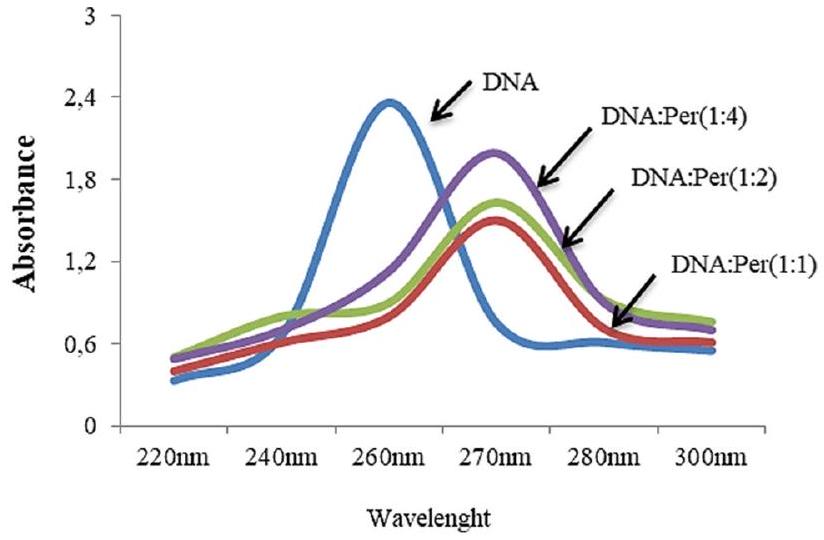
كما هو موضح في الربط الجزيئي، يمكن ربط آلية السمية الجينية للبرمثرين في هذا العمل بتفاعل البرمثرين مع الحمض النووي. للتحقق من هذه العلاقة، تم إضافة تركيزات متزايدة من محلول البرمثرين إلى الحمض النووي المستخرج من أطراف جذور الأليوم، وتم قياس التغيرات في طيف الامتصاص فوق البنفسجي (الشكل 7). أظهر الحمض النووي للأليوم المعزول في هذه الدراسة ذروة قصوى مميزة عند 260 نانومتر. تفاعل البرمثرين
الشكل 7 طيف UV-Vis لحمض نووي Allium في وجود وغياب البيرميثرين
مع الحمض النووي، تسبب ت shifts bathochromic و hypochromic في طيف الأشعة فوق البنفسجية. يشير التحول bathochromic إلى زيادة في الطول الموجي، وقد لوحظ تحول من 260 إلى حوالي 270 نانومتر في طيف الحمض النووي بعد تفاعل الحمض النووي مع البيرميثرين. يشير التحول hypochromic إلى انخفاض في امتصاص مادة ما، وانخفض امتصاص محلول الحمض النووي بعد تفاعل الحمض النووي مع البيرميثرين. أظهر الحمض النووي الذي كان لديه امتصاص قدره 2.36 عند 260 نانومتر امتصاصًا قدره 1.99 عند 270 نانومتر عند مزجه مع البيرميثرين بنسب 1:4. وفقًا لأوزلير وساتانا كارا (2014)، يظهر التغير hypochromic أن جزيئًا ما يتفاعل مع الحمض النووي من خلال آلية الربط بالتداخل. تشير خاصية التداخل للبيرميثرين إلى الانخفاض في امتصاص محلول الحمض النووي: البيرميثرين مقارنةً بامتصاص الحمض النووي. تم استخدام الربط الجزيئي لتأسيس هذه الخاصية للبيرميثرين، وقد تم التحقق منها من خلال تحليل الطيف. دون تشكيل أي روابط تساهمية، يتم تكديس جزيء بين أزواج قواعد الحمض النووي أثناء التداخل. الغالبية العظمى من مواد التداخل في الحمض النووي هي مواد مسببة للطفرات. بالإضافة إلى ذلك، يؤدي التداخل إلى انكسارات في الحمض النووي، ويفكك الحمض النووي المتشابك، ويعطل الطريقة التي يتفاعل بها الحمض النووي مع البروتينات التنظيمية والربط (فيرغسون وديني 2007؛ غوينجيريش 2014). قد تكون الزيادة في تكرار الشذوذ الكروموسومي و MN التي لوحظت في هذه الدراسة ناتجة عن تفاعل الحمض النووي مع البيرميثرين، مما يفسر أيضًا آلية السمية الجينية.

اختبار المذنب

تُلخص آثار إدارة البيرميثرين وزوكس على تفتت الحمض النووي في الشكل 8. لم تتسبب إدارة زوكس بمفردها في تلف الحمض النووي ولم يكن هناك فرق ذو دلالة إحصائية. ) بين مجموعة التحكم (المجموعة الأولى) والمجموعات المعالجة بـ Zoex فقط (المجموعتين الثانية والثالثة). بينما كانت قيمة متوسط تلف الحمض النووي في مجموعة التحكم ، حدثت زيادة حادة في المجموعة الرابعة، التي تم إعطاؤها مل من البيرميثرين، وكانت قيمة تلف الحمض النووي المتوسطة
الشكل 8 تأثير تطبيق البيرميثرين وزوكس على الحمض النووي لـ A. сера (0، لا ضرر؛ 1، ضرر منخفض؛ 2، ضرر معتدل؛ 3، ضرر عالي؛ 4، ضرر شديد)
أظهر تطبيق زوكس مع البيرميثرين تأثيرًا وقائيًا يعتمد على الجرعة المطبقة وتم حساب درجة تلف الحمض النووي كـ في المجموعة V تم إعطاؤها برمثرين زويكس و في المجموعة السادسة المُعطاة برمثرين زوكس. أظهرت البيانات التي تم الحصول عليها أن تطبيق البيرميثرين تسبب في تلف الحمض النووي، وأظهر تطبيق زوكس تأثيرًا وقائيًا يعتمد على الجرعة. الفروق في درجات تلف الحمض النووي بين المجموعات I-III والمجموعات IV-VI ذات دلالة إحصائية. ).

تغيرات تشريحية

تظهر الأضرار التشريحية التي تسببها البيرميثرين وزوكس في الخلايا المرستيمية وتكرار الأضرار في كل مجموعة في الشكل 9. بينما لم تُلاحظ أي شذوذات في الأنسجة المرستيمية في مجموعة التحكم وفي المجموعة التي تم إعطاؤها زوكس فقط، حدثت الشذوذات الموضحة في الشكل 9 في المجموعة التي تم إعطاؤها البيرميثرين. ترتبط هذه الشذوذات بسمية البيرميثرين في الخلايا أو بآليات تحمل الخلايا للبيرميثرين. لمنع دخول البيرميثرين إلى الخلية، تتراكم مواد كيميائية مثل اللجنين والسليلوز والسوبيرين والكتين في جدار الخلية، ويصبح الجدار سميكًا. وفقًا لشو وآخرون (2012) وسينغ وآخرون (2015)،
هذا التغيير يعمل كحاجز ضد المواد الكيميائية الضارة ويمنع المركبات السامة من دخول الأنسجة الوعائية. تغيير شكل النواة هو شذوذ آخر، وقد تكون التغيرات الجينية والبيوكيميائية التي تسببها البيرميثرين هي سبب تسطح النواة. قد تنتج التغيرات في شكل النواة عن تدهور حجم النواة، وتركيز البروتين، وسلامة الحمض النووي، والكثافة (دال وآخرون 2008؛ داور وورمان 2009). وبالمثل، وجد يالتشين وآخرون (2019) أن العديد من التغيرات الشكلية، مثل تشوه خلايا البشرة وتثخين جدران الخلايا، لوحظت في تشريح الجذر تحت ضغط كيميائي. تشمل الشذوذات الأخرى التي تسببها البيرميثرين الأنسجة الوعائية غير المنظمة والأضرار الخلوية للبشرة. قد يكون سبب كل هذه الشذوذات هو الإجهاد التأكسدي الناتج عن البيرميثرين، وتأثيراته السامة للخلايا والجينات. تمنع هذه الشذوذات التشريحية النبات من امتصاص العناصر الغذائية ونقلها إلى أنسجة أخرى وقد تؤخر أيضًا النمو. أدى تطبيق زوكس مع البيرميثرين إلى انخفاض في حدوث الأضرار التشريحية. تطبيق مل قدمت زويكس حماية كبيرة من خلال التسبب في انخفاض كبير في الأضرار التشريحية، حيث تم الحصول على أكبر حماية في المجموعة السادسة حيث تم تطبيق زوكس. في المجموعة السادسة، لم يُلاحظ أي زيادة في سمك جدران خلايا القشرة ولا أنسجة وعائية غير واضحة، بينما تم ملاحظة تلف في خلايا البشرة.
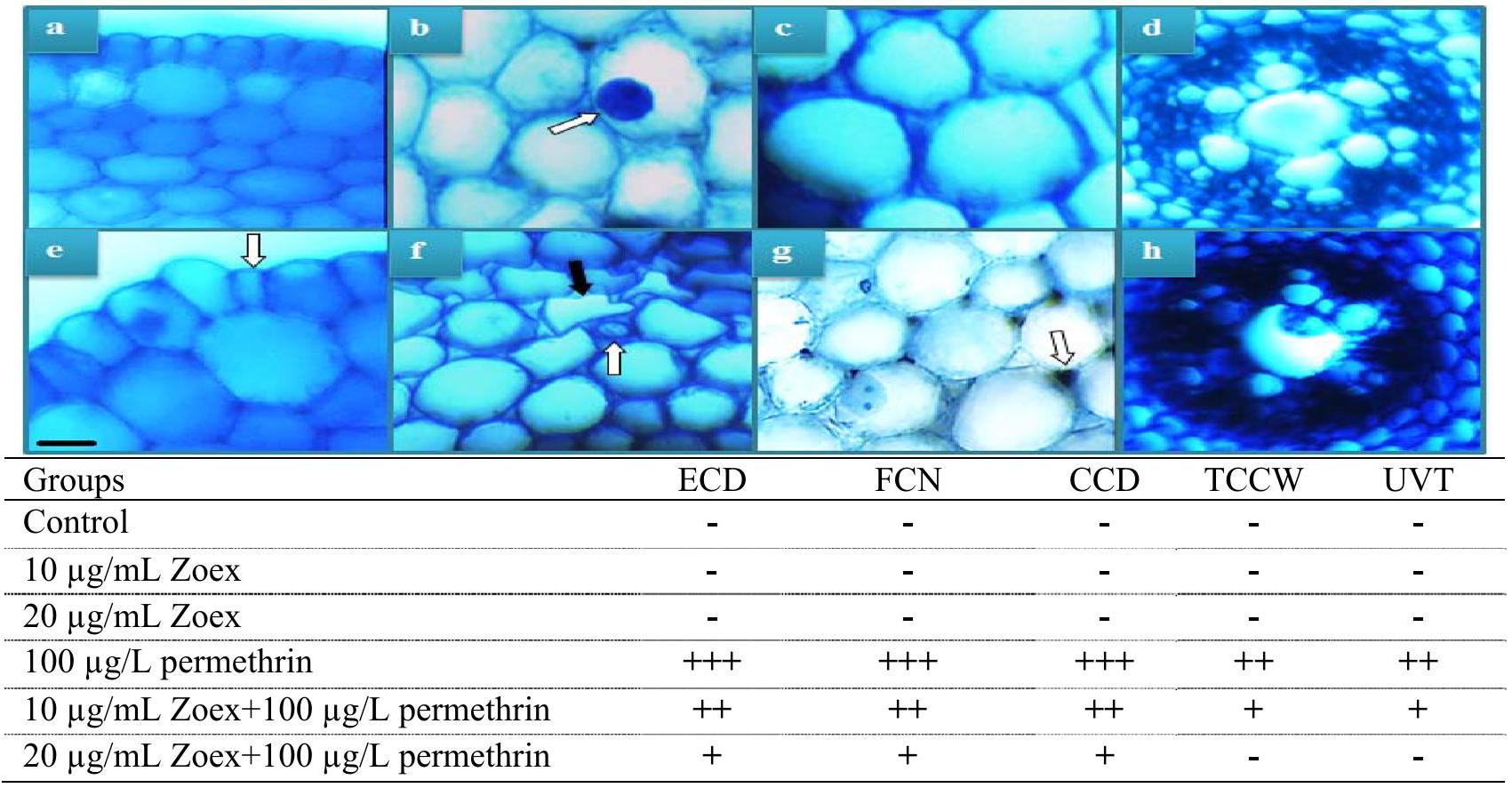
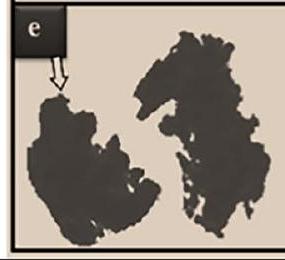
الشكل 9 تلف الخلايا المرستيمية الناتج عن البيرميثرين. خلايا البشرة في العينة الضابطة (أ)، نواة الخلية (بيضاوية) في العينة الضابطة (ب)، خلايا القشرة في العينة الضابطة (ج)، الأنسجة الوعائية في العينة الضابطة (د)، تلف خلايا البشرة (هـ)، نواة خلية مسطحة – سهم أبيض، تلف خلايا القشرة – سهم أسود (و)، سماكة جدار خلية القشرة (ز)، وأنسجة وعائية غير واضحة (ح).
تم تقليل تسطح النواة، وتلف خلايا القشرة بشكل كبير. قد يكون التأثير الوقائي لزويكس على الهيكل التشريحي مرتبطًا بتقليل الشذوذات الفسيولوجية والبيوكيميائية والسايتوجينية التي تسببها البيرميثرين في خلايا الميرستيم بوجود زويكس.

الخاتمة

هناك العديد من الدراسات حول سمية البيرميثرين، وهو مبيد حشري صناعي من فئة البيرثرويد، في مختلف الكائنات غير المستهدفة، ولكن لا توجد دراسات كافية تفحص السمية في النباتات. هذه الدراسة هي الأولى التي تظهر سمية البيرميثرين في Allium cepa، وهو نبات مؤشر حيوي، وتأثير Zoex الوقائي ضد هذه السمية. تعتبر الدراسات الحية التي تفحص التأثيرات السامة للمواد الكيميائية، وتأثيرات المنتجات الطبيعية الوقائية ضد هذه التأثيرات، والآليات الأساسية ذات قيمة كبيرة. في هذه الدراسة، تسبب البيرميثرين في إجهاد أكسدي من خلال زيادة مستويات MDA وتقليل مستويات GSH، وأظهر تأثيرات جينية من خلال تحفيز MN والعيوب الكروموسومية. كما انعكست هذه التأثيرات السامة في تراجع الإنبات والتغيرات التشريحية. أكدت التفاعلات الحاسوبية للبيرميثرين مع تسلسلات الحمض النووي، وبروتينات التوبولين والهستون تأثيراته الجينية والسامة للخلايا. كشفت تحليلات الربط الجزيئي وتحليل التحول الطيفي أن البيرميثرين يعمل كعامل إدخال ويتفاعل مع الحمض النووي بشكل غير تساهمي. وبالتالي، يمكن تفسير آلية السمية الجينية للبيرميثرين من خلال وظيفة الإدخال وتعطيل سلامة الحمض النووي. قد توفر تأثيرات البيرميثرين على Allium cepa، وهو كائن غير مستهدف، أيضًا توقعًا أوليًا للكائنات حقيقية النواة. ومع ذلك، قد تؤثر أنظمة إزالة السموم، خاصة في الثدييات، على مدى سمية البيرميثرين. لذلك، يجب التحقيق في التأثيرات السامة على جميع الكائنات غير المستهدفة وتحديد نطاقات الجرعات ذات السمية المنخفضة. تعتبر المنتجات الطبيعية التي تحتوي على مثل هذه العوامل المضادة للأكسدة القوية مهمة جدًا في القضاء على التأثيرات السامة للمواد الكيميائية. قدم Zoex حماية تعتمد على الجرعة ضد سمية البيرميثرين، وقد تم عزو هذه الحماية إلى المكونات النشطة التي يحتوي عليها. ستوجه هذه الدراسة العديد من الدراسات التي توضح الآليات من خلال دمج البيانات المستمدة من الدراسات الحية مع بيانات المعلوماتية الحيوية.
مساهمة المؤلفين ساهم جميع المؤلفين (داملا هيمتاش، إيمين يالتشين، كولتيجن تشافوش أوغلو، علي أجار) في تصميم وتصميم الدراسة. قرأ جميع المؤلفين ووافقوا على المخطوطة النهائية.
تمويل تم توفير تمويل الوصول المفتوح من قبل مجلس البحث العلمي والتكنولوجي في تركيا (TÜBİTAK).
توفر البيانات جميع البيانات التي تم إنشاؤها أو تحليلها خلال هذه الدراسة مدرجة في هذه المقالة.

إعلانات

موافقة الأخلاقيات غير قابلة للتطبيق.
موافقة للمشاركة غير قابلة للتطبيق.
موافقة للنشر غير قابلة للتطبيق.
المصالح المتنافسة يعلن المؤلفون عدم وجود مصالح متنافسة.
الوصول المفتوح هذه المقالة مرخصة بموجب رخصة المشاع الإبداعي للاستخدام والمشاركة والتكيف والتوزيع وإعادة الإنتاج في أي وسيلة أو صيغة، طالما أنك تعطي الائتمان المناسب للمؤلفين الأصليين والمصدر، وتوفر رابطًا لرخصة المشاع الإبداعي، وتوضح ما إذا كانت هناك تغييرات قد تم إجراؤها. الصور أو المواد الأخرى من طرف ثالث في هذه المقالة مدرجة في رخصة المشاع الإبداعي للمقالة، ما لم يُشار إلى خلاف ذلك في سطر ائتمان للمادة. إذا لم تكن المادة مدرجة في رخصة المشاع الإبداعي للمقالة وكان استخدامك المقصود غير مسموح به بموجب اللوائح القانونية أو يتجاوز الاستخدام المسموح به، فستحتاج إلى الحصول على إذن مباشرة من صاحب حقوق الطبع والنشر. لعرض نسخة من هذه الرخصة، قم بزيارة http://creativecommons.org/licenses/by/4.0/.

References

Agu PC, Afiukwa CA, Orji OU, Ezeh EM, Ofoke IH, Ogbu CO, Ugwuja EI, Aja PM (2023) Molecular docking as a tool for the discovery of molecular targets of nutraceuticals in diseases management. Sci Rep 13:13398. https://doi.org/10.1038/ s41598-023-40160-2
Ahmad P, Jaleel CA, Salem MA, Nabi G, Sharma S (2010) Roles of enzymatic and nonenzymatic antioxidants in plants during abiotic stress. Crit Rev Biotechnol 30:161-175. https://doi.org/10.3109/ 07388550903524243
Akgeyik AU, Yalçın E, Çavuşoğlu K (2023) Phytochemical fingerprint and biological activity of raw and heat-treated Ornithogalum umbellatum. Sci Rep 13(1):13733. https://doi.org/10.1038/ s41598-023-41057-w
Akgündüz MÇ, Çavuşoğlu K, Yalçın E (2020) The potential risk assessment of phenoxyethanol with a versatile model system. Sci Rep 10(1):1-10. https://doi.org/10.1038/s41598-020-58170-9
Al-Amoudi WM (2018) Toxic effects of lambda-cyhalothrin, on the rat thyroid: involvement of oxidative stress and ameliorative effect of ginger extract. Toxicol Rep 5:728-736. https://doi.org/10.1016/j. toxrep.2018.06.005
Al-Nahain A, Jahan R, Rahmatullah M (2014) Zingiber officinale: a potential plant against rheumatoid arthritis. Arthritis 2014. https:// doi.org/10.1155/2014/159089
Aydin D, Yalçın E, Çavuşoğlu K (2022) Metal chelating and anti-radical activity of Salvia officinalis in the ameliorative effects against uranium toxicity. Sci Rep 12(1):15845. https://doi.org/10.1038/ s41598-022-20115-9
Balendiran K, Rao ST, Sekharudu CY, Zon G, Sundaralingam M (1995) X-ray structures of the B-DNA dodecamer d (CGCGTT AACGCG) with an inverted central tetranucleotide and its netropsin complex. Acta Crystallogr D Biol Crystallogr 51:190-198. https://doi.org/10.1107/S0907444994010759
Banerjee S, Mullick HI, Banerjee J, Ghosh A (2011) Zingiber officinale: ‘a natural gold.’ Int J Pharmaceutical Bio-Sci 2:283-294
Borowik A, Wyszkowska J, Zaborowska M, Kucharski J (2023) The impact of permethrin and cypermethrin on plants, soil enzyme
activity, and microbial communities. Int J Mol Sci 24(3):2892. https://doi.org/10.3390/ijms24032892
Çakir F, Kutluer F, Yalçın E, Çavuşoğlu K, Acar A (2023) Deep neural network and molecular docking supported toxicity profile of prometryn. Chemosphere 139962. https://doi.org/10.1016/j.chemo sphere.2023.139962
Çavuşoğlu K, Yalçın E (2023) Spectral shift supported epichlorohydrin toxicity and the protective role of sage. Environ Sci Pollut Res 30(1):1374-1385. https://doi.org/10.1007/s11356-022-22288-2
Çavuşoğlu K, Gür B, Yalçın E, Demirtaş G, Çiçek F (2014) The effect of lambda-cyhalothrin on root tip cytology, pigment contents and antioxidant defense system of Allium cepa. Cytologia 79(1):95101. https://doi.org/10.1508/cytologia.79.95
Çavuşoğlu K, Kaya A, Yilmaz F, Yalçın E (2012) Effects of cypermethrin on Allium cepa. Env Toxicol 27(10):583-589. https://doi. org/10.29130/dubited. 457074
Chakraborty R, Mukherjee AK, Mukherjee A (2009) Evaluation of genotoxicity of coal fly ash in Allium cepa root cells by combining comet assay with the Allium test. Environ Monit Assess 153:351-357. https://doi.org/10.1007/s10661-008-0361-z
Collins AR (2004) The comet assay for DNA damage and repair. Mol Biotechnol 26(3):249-261. https://doi.org/10.1385/MB:26:3:249
Dahl KN, Ribeiro AJ, Lammerding J (2008) Nuclear shape, mechanics, and mechanotransduction. Circ Res 102:1307-1318. https://doi. org/10.1161/CIRCRESAHA.108.173989
Dauer WT, Worman HJ (2009) The nuclear envelope as a signaling node in development and disease. Dev Cell 17(5):626-638. https://doi.org/10.1016/j.devcel.2009.10.016
Davoodi R, Gholamreza ABDİ (2012) Comparative study on the acute toxicity of synthetic pesticides, permethrin and monocrotophos , and neem-based pesticide, neem gold EC , to Juvenile Cyprinus carpio Linn. J Biol Environ Sci 6(16):105-108
Delic N (1998) Effect of permethrin on mitotic activity of cultured human lymphocytes. Pesticides 13:233-238
Demirtaş G, Çavuşoğlu K, Yalçın E (2020) Aneugenic, clastogenic, and multi-toxic effects of diethyl phthalate exposure. Environ Sci Pollut Res 27:5503-5510. https://doi.org/10.1007/ s11356-019-07339-5
Drew HR, Wing RM, Takano T, Broka C, Tanaka S, Itakura K, Dickerson RE (1981) Structure of a B-DNA dodecamer: conformation and dynamics. Proc Natl Acad Sci 78(4):2179-2183. https://doi. org/10.1073/pnas.78.4.2179
Dubus IG, Hollis JM, Brown CD (2000) Pesticide in rainfall in Europe. Environ Pollut 110:331-344. https://doi.org/10.1016/S0269-7491(99)00295-X
Dugasani S, Pichika MR, Nadarajah VD, Balijepalli MK, Tandra S, Korlakunta JN (2020) Comparative antioxidant and anti-inflammatory effects of [6]-gingerol, [8]-gingerol, [10]-gingerol and [6]-shogaol. J Ethnopharmacol 127(2):515-520. https://doi.org/ 10.1016/j.jep.2009.10.004
Falcioni ML, Nasuti C, Bergamini C, Fato R, Lenaz G, Gabbianelli (2010) The primary role of glutathione against nuclear DNA damage of striatum induced by permethrin in rats. Neuroscience 168(1):2-10. https://doi.org/10.1016/j.neuroscience.2010.03.053
Fenech M, Neville S (1992) Conversion of excision-repairable DNA lesions to micronuclei within one cell cycle in human lymphocytes. Environ Mol Mut 19:27-36. https://doi.org/10.1002/em. 2850190106
Ferguson LR, Denny WA (2007) Genotoxicity of non-covalent interactions: DNA intercalators. Mutat Res Fundam Mol Mech Mutagen 623(1-2):14-23. https://doi.org/10.1016/j.mrfmmm.2007.03.014
Gabbianelli R, Palan M, Flis DJ, Fedeli D, Nasuti C, Skarydova L, Ziolkowski W (2013) Imbalance in redox system of rat liver following permethrin treatment in adolescence and neonatal age. Xenobiotica 43:1103-1110. https://doi.org/10.3109/00498254. 2013.796427
Govindarajan VS (1982) Ginger: chemistry, technology and quality evaluation. Crit Rev Food Sci Nutr 17(1):1-96. https://doi.org/ 10.1080/10408398209527343
Guengerich FP (2014) Base intercalation in DNA. In: Wells RD, Bond JS, Klinman J, Masters BSS (eds) Molecular life sciences, Springer, New York, pp 1-2. https://doi.org/10.1007/978-1-4614-6436-5_432-1
Guex N, Peitsch M (2005) CSWISS-MODEL and the Swiss-Pdb Viewer: an environment for comparative protein modeling. Electrophoresis 18:2714-2723. https://doi.org/10.1002/elps. 11501 81505
Hausladen A, Alscher RG (1993) Glutathione. In: Alscher RG, Hess JL (eds) Antioxidants in higher plants. CRC Press, Boca Raton, pp 1-30
Jeena K, Liju VB, Ramanath V, Kuttan R (2016) Protection against whole body gamma-irradiation induced oxidative stress and clastogenic damage in mice by ginger essential oil. APJCP 17(3):1325-1332. https://doi.org/10.7314/APJCP.2016.17.3. 1325
Junquera P (2021) Permethrin: safety summary for veterinary use in dogs, cats, horses, cattle, sheep, goats, swine and poultry. Poisoning, intoxication, overdose, antidote. https://parasitipedia. net/index.php?option=com_content&view=article&id=2676& Itemid=. Accessed 27 Apr 2023
Katahira R, Katahira M, Yamashita Y, Ogawa H, Kyogoku Y, Yoshida M (1998) Solution structure of the novel antitumor drug UCH9 complexed with d (TTGGCCAA) 2 as determined by NMR. Nucleic Acids Res 26:744-755. https://doi.org/10. 1093/nar/26.3.744
Kerksick C, Willoughby D (2005) The antioxidant role of glutathione and N -acetyl-cysteine supplements and exercise-induced oxidative stress. J Internat Soc Sports Nutr 2(2):1-7. https://doi.org/ 10.1186/1550-2783-2-2-38
Khanna N, Sharma S (2013) Allium cepa root chromosomal aberration assay: a review. Indian J Pharm Biol Res 1(3):105-11. https://doi.org/10.30750/ijpbr.1.3.15
Kim YS, Hong CS, Lee SW, Nam JH, Kim BJ (2017) Effects of ginger and its pungent constituents on transient receptor potential channels. Biophys J 112(3):250
Końca K, Lankoff A, Banasik A, Lisowska H, Kuszewski T, Góźdź S, Koza Z, Wojcik A (2003) A cross-platform public domain PC image-analysis program for the comet assay. Mutat Res 534:1520. https://doi.org/10.1016/s1383-5718(02)00251-6
Kuhad A, Tirkey N, Pilkhwal S, Chopra K (2006) 6-Gingerol prevents cisplatin-induced acute renal failure in rats. BioFactors 26(3):189-200. https://doi.org/10.1002/biof. 5520260304
Kurt D, Yalçin E, Çavuşoğlu K (2023) GC-MS and HPLC supported phytochemical analysis of watercress and the protective role against paraben toxicity. Environ Sci Pollut Res 30(3):60336046. https://doi.org/10.1007/s11356-022-22380-7
Kutluer F, Çavuşoğlu K, Yalçin E (2019) The investigation of the physiological, anatomical and genotoxic effects in Allium cepa L. of deltamethrin. Duzce Univ J Sci Technol 7(3):961-972. https://doi.org/10.29130/dubited. 457074
Lacey SE, He S, Scheres SH, Carter AP (2019) Cryo-EM of dynein microtubule-binding domains shows how an axonemal dynein distorts the microtubule. Elife 8:e47145. https://doi.org/10. 7554/eLife. 47145
Luo Q, Wang B, Wu Z, Jiang W, Wang Y, Du K, Zhou N, Zheng L, Gan J, Shen WH, Ma J, Dong A (2020) NAP1-Related Protein 1 (NRP1) has multiple interaction modes for chaperoning histones H2A-H2B. Proc Natl Acad Sci USA 117(48):30391-30399. https://doi.org/10.1073/pnas. 2011089117
Macar O, Kalefetoğlu Macar T, Çavuşoğlu K, Yalçın E (2020) Protective effects of anthocyanin-rich bilberry (Vaccinium myrtillus L.) extract against copper (II) chloride toxicity.
Environ Sci Pollut Res 27:1428-1435. https://doi.org/10.1007/ s11356-019-06781-9
Mao QQ, Xu XY, Cao SY, Gan RY, Corke H, Beta T, Li HB (2019) Bioactive compounds and bioactivities of ginger (Zingiber officinale Roscoe). Foods 8(6):185. https://doi.org/10.3390/foods80601 85
Morris GM, Huey R, Lindstrom W, Sanner MF, Belew RK, Goodsell DS, Olson AJ (2009) AutoDock4 and AutoDockTools4: automated docking with selective receptor flexibility. J Comput Chem 30:2785-2791. https://doi.org/10.1002/jcc. 21256
O’Boyle NM, Banck M, James CA, Morley C, Vandermeersch T, Hutchison GR (2011) Open Babel: an open chemical toolbox. J Cheminform 3:33. https://doi.org/10.1186/1758-2946-3-33
Okesola MA, Ajiboye BO, Oyinloye BE, Ojo OA (2019) Effect of Zingiber officinale on some biochemical parameters and cytogenic analysis in lead-induced toxicity in experimental rats. Tox Mech Meth 29(4):255-262
Ozluer C, Satana Kara HE (2014) In vitro DNA binding studies of anticancer drug idarubicin using spectroscopic techniques. J Photochem Photobiol B 138:36-42. https://doi.org/10.1016/j.jphot obiol.2014.05.015
Policegoudra RS, Rehna K, Rao LJ, Aradhya SM (2010) Antimicrobial, antioxidant, cytotoxicity and platelet aggregation inhibitory activity of a novel molecule isolated and characterized from mango ginger rhizome. J Biosci 35(2):231-240. https://doi.org/10.1007/ s12038-010-0027-1
Roma GC, De Oliveira PR, Araujo AM, Bechara GH, Mathias MIC (2012) Genotoxic and mutagenic effects of permethrin in mice: micronuclei analysis in peripheral blood erythrocytes. Mic Res Tech 75(12):1732-1736. https://doi.org/10.1002/jemt. 22124
Saha C, Kumar R, Das A (2017) Understanding nucleosomal histone and DNA interactions: a biophysical study. J Biomol Struct Dyn 35(12):2531-2538. https://doi.org/10.1080/07391102.2016.1225603
Sellami B, Louati H, Dellali M, Aissa P, Mahmoudi E, Coelho AV, Sheehan (2014) Effects of permethrin exposure on antioxidant enzymes and protein status in Mediterranean clams Ruditapes decussatus. Environ Sci Pollut Res 21(6):4461-4472. https://doi. org/10.1007/s11356-013-2404-4
Sharma AD, Gill PK, Singh P (2002) DNA isolation from dry and fresh samples of polysaccharide-rich plants. Plant Mol Biol Rep 20:415. https://doi.org/10.1007/BF02772129
Shu X, Yin L, Zhang Q, Wang W (2012) Effect of Pb toxicity on leaf growth, antioxidant enzyme activities, and photosynthesis in cuttings and seedlings of Jatropha curcas L. Environ Sci Pollut Res Int 19:893-902. https://doi.org/10.1007/ s11356-011-0625-y
Singh D, Pal M, Singh R, Singh CK, Chaturvedi AK (2015) Physiological and biochemical characteristics of Vigna species for Al stress tolerance. Acta Physiol Plant 37:1-13
Sun YJ, Liang YJ, Yang L, Long DX, Wang HP, Wu YJ (2022) Longterm low-dose exposure of permethrin induces liver and kidney damage in rats. BMC Pharmacol Toxicol 23:46. https://doi.org/ 10.1186/s40360-022-00586-2
Tang W, Wang D, Wang J, Wu Z, Li L, Huang M, Xu S, Yan D (2018) Pyrethroid pesticide residues in the global environment: an overview. Chemosphere 191:990-1007. https://doi.org/10.1016/j. chemosphere.2017.10.115
Tiryaki O, Canhilal R, Horuz S (2010) The use of pesticides and their risks. Erciyes Univ J Inst Sci Technol 26(2):154-169
Tütüncü E, Yalçin E, Acar A, Yapar K, Çavuşoğlu K (2019) Investigation of the toxic effects of a carbamate insecticide methiocarb in Allium cepa L. Cytologia 84(2):113-117. https://doi.org/10.1508/ cytologia.84.113
Weidinger A, Kozlov AV (2015) Biological activities of reactive oxygen and nitrogen species: oxidative stress versus signal transduction. Biomolecules 5(2):472-548. https://doi.org/10.3390/biom5 020472
Yalçın E, Uzun A, Çavuşoğlu K (2019) In vivo epiclorohidrine toxicity: cytogenetic, biochemical, physiological, and anatomical evidences. Environ Sci Pollut Res 26:22400-22406. https://doi.org/ 10.1007/s11356-019-05518-y
Yalçin E, Çavuşoğlu K (2022a) Toxicity assessment of potassium bromate and the remedial role of grape seed extract. Sci Rep 12(1):20529. https://doi.org/10.1038/s41598-022-25084-7
Yalçin E, Çavuşoğlu K (2022b) Spectroscopic contribution to glyphosate toxicity profile and the remedial effects of Momordica charantia. Sci Rep 12(1):20020. https://doi.org/10.1038/ s41598-022-24692-7
Publisher’s Note Springer Nature remains neutral with regard to jurisdictional claims in published maps and institutional affiliations.

  1. Values shown with different letters in the same column are statistically significant
    not determined
  2. ECD, epidermis cell damage; CCD, cortex cell damage; TCCW, thickening of cortex cell walls; UVT, unclear vascular tissue; FCN, flattened cell nucleus. (-) no damage, (+) minor damage, () medium damage, (+) severe damage. Bar

Journal: Environmental Science and Pollution Research, Volume: 31, Issue: 6
DOI: https://doi.org/10.1007/s11356-023-31729-5
PMID: https://pubmed.ncbi.nlm.nih.gov/38191734
Publication Date: 2024-01-08

In-vivo and in-silico studies to identify toxicity mechanisms of permethrin with the toxicity-reducing role of ginger

Damla Himtaş Emine Yalçin (D) Kültiğin Çavuşoğlu Ali Acar

Received: 8 May 2023 / Accepted: 22 December 2023 / Published online: 8 January 2024
© The Author(s) 2024

Abstract

In this study, the toxic effects of permethrin on Allium cepa L. and the protective role of Zingiber officinale rhizome extract (Zoex) were investigated. In this context, 6 different groups were formed. While the control group was treated with tap water, the groups II and III were treated with and Zoex, respectively, and the group IV was treated with permethrin. The protective effect of Zoex against permethrin toxicity was studied as a function of dose, and groups V and VI formed for this purpose were treated with Zoex permethrin and Zoex permethrin, respectively. After 72 h of germination, cytogenetic, biochemical, physiological, and anatomical changes in meristematic cells of A. cepa were studied. As a result, permethrin application decreased the mitotic index (MI) and increased the frequency of micronuclei (MN), and chromosomal abnormalities. The increase in malondialdehyde (MDA), superoxide dismutase (SOD), and catalase (CAT) and the decrease in glutathione (GSH) indicate that permethrin causes oxidative damage. Compared to the control group, a decrease in root elongation ( ) and an decrease ( ) in weight gain were observed in the permethrin-treated group. It was found that the application of Zoex together with permethrin resulted in regression of all detected abnormalities, reduction in the incidence of anatomical damage, MN and chromosomal aberrations, and improvement in MI rates. The most significant improvement was observed in group VI treated with Zoex, and Zoex was also found to provide dose-dependent protection. The toxicity mechanism of permethrin was also elucidated by molecular docking and spectral studies. From the data obtained during the study, it was found that permethrin has toxic effects on A. cepa, a non-target organism, while Zoex plays a protective role by reducing these effects.

Keywords Allium cepa Genotoxicity Molecular docking Oxidative damage Permethrin Zingiber officinale
Responsible Editor: Gangrong Shi
Emine Yalçin
emine.yalcin@giresun.edu.tr
Damla Himtaş
damlahim@giresun.edu.tr
Kültiğin Çavuşoğlu
kultigin.cavusoglu@giresun.edu.tr
Ali Acar
ali.acar@giresun.edu.tr
1 Department of Biology, Institute of Natural Sciences, University of Giresun, 28200 Giresun, Turkey
2 Department of Biology, Faculty of Science and Art, University of Giresun, 28200 Giresun, Turkey
3 Department of Medical Services and Techniques, Vocational School of Health Services, University of Giresun, 28200 Giresun, Turkey

Introduction

In agricultural applications, many techniques are used in order to increase the quality of the products and the yield obtained from the unit area. Chemical control against microorganisms, insects, various diseases, and weeds is one of the important methods. Among all control methods, chemical control accounts for a high share of and remains valid today. Pesticides are widely used in chemical control, and thus, the damage that may occur in the yield and quality of the products can be prevented (Dubus et al. 2000; Tiryaki et al. 2010). The use of pesticides, which show chemical changes according to the target organisms, has increased day by day, and intense pesticide pollution has occurred with the production of synthetic pesticides. Many pesticides exhibit cumulative properties by being transported between ecosystems and can be transported between organisms through food chains by accumulating in many organisms (Dubus et al.
2000; Junquera 2021). Pyrethroids constitute a large class of pesticides and are a group of natural insecticides obtained by extraction of the dried flowers of the chrysanthemum plant. However, natural pyrethroids have been replaced by synthetic pyrethroids over time due to their rapid degradation in the environment. Permethrin belongs to the synthetic pyrethroid chemical class and is classified as a type I pyrethroid. Permethrin is used for protection from fleas, microorganisms, and parasites in sectors such as agriculture and livestock. Permethrin, which is also used in industrial areas, is used to protect clothes from insects and pests, especially in the ready-made clothing industry. Permethrin has also found widespread use in the treatment of parasites such as head lice, fleas, and especially scabies, and for this purpose, it is also found in scabies creams, scabies soaps, and in the content of all kinds of care and treatment products related to scabies (Junquera 2021). Because of its widespread use, permethrin contaminates the environment in several ways and has toxic effects on non-target organisms. Permethrin exposure disrupts the balance of the antioxidant system in non-target organisms and causes oxidative damage to DNA, lipids, and proteins (Weidinger and Kozlov 2015). Sun et al. (2022) reported that long-term and low-dose exposure to permethrin caused liver and kidney damages in non-target rats. Davoodi et al. (2012) found that high mortality rates were observed in juvenile Cyprinus carpio treated with permethrin in the dose range of . Studies investigating the effects of permethrin on non-target plants are still insufficient. In this study, the toxic effects of permethrin on root tip cells of Allium cepa, one of the non-target organisms, were investigated using a multidisciplinary approach.
Natural products with antioxidant properties regulate the antioxidant balance, which is deteriorated due to the chemical load in organisms. In this context, the toxicity-reducing effect of Zingiber officinale rhizomes (ginger), which has antioxidant properties, was also investigated in this study. Rhizome of . officinale has been used since ancient times for colds, coughs, various infections, fever, asthma, bronchitis, anorexia, arthritis, rheumatism, edema, pain, cramps, nausea, vomiting, flatulence, gastritis, peptic ulcer, intestinal parasites, hemorrhoids, constipation, hypertension, dementia, dysmenorrhea, stroke, diabetes, and various nervous system disorders. The powdered rhizome of Z. officinale contains lipid, protein, 60-70% carbohydrate, 3-8% crude fiber, approximately ash, water, and essential oil (Policegoudra et al. 2010; Banerjee et al. 2011). Rhizomes contain the minerals such as calcium, phosphorus, and iron and include vitamins like thiamine, vitamin C, niacin, and riboflavin (Govindarajan 1982). The activity of . officinale is closely related to its active ingredients, and the gingerol, zingerone, and shogaol it contains are responsible for most of its biological effects (Kim et al. 2017). Due to the cumulative effect of all these phytochemicals, Z. officinale
has potent antioxidant activity. Z. officinale exhibits antioxidant activity through various mechanisms due to the active compounds they contain and provide protection against numerous diseases caused by oxidative stress. Increasing the expression of antioxidant enzymes, preventing the formation of free radicals, preventing lipid peroxidation, and stimulating glutathione synthesis are some of these mechanisms. . officinale and its bioactive compounds exert their antioxidant effects through the nuclear factor erythroid 2-related factor 2 (Nrf2) pathway (Mao et al. 2019).
In this study, permethrin toxicity and protective properties of . officinale rhizomes extract (Zoex) against this toxicity were investigated by a bioindicator test. The Allium test is a method used as a bioindicator in which the effects of environmental pollution and toxic agents are examined and shows a high correlation with toxicity tests performed in mammals (Kutluer et al. 2019; Yalçin and Çavuşoğlu 2022a). From this point of view, in this study, the effects of permethrin and Zoex on A. cepa were investigated in terms of physiological, cytogenetic, biochemical, and anatomical aspects. The toxicity of permethrin studied with different parameters was supported by in silico and spectral methods. The interactions of permethrin with tubulin, histone, and DNA molecules were studied by in silico molecular docking. Tubulin proteins are located in the structure of the spindle responsible for pulling chromosomes to the poles during cell division. Structural disruptions that can occur in the spindle can lead to aneugenic effects and cell cycle delays. The interaction between histone and DNA is very important for maintaining genome integrity. Compounds that bind to histones or DNA pose a significant risk for disrupting this integrity, and the genotoxic potential of permethrin was determined by studying permethrin-histone and permethrin-DNA interactions. In this study, permethrin toxicity and the effects of Zoex application, which will be a solution to reducing this toxicity, were also investigated. The protective effect of Zoex against permethrin toxicity is also associated with the major components such as gingerol, zingerone, and shogaol.

Material and methods

Zingiber officinale extraction

The rhizomes of . officinale were dried, and after grinding, 0.2 g of the sample was extracted in 10 mL of methanol for 24 h at room temperature. After incubation, the extract was filtered to remove all remaining solids. The filtrate was then centrifuged at for 10 min , the liquid phase was evaporated, and the pellet was used as . officinale extract (Akgeyik et al. 2023).

Experimental groups

The toxicity of permethrin and the protective role of Zoex were investigated using the Allium test. The bulbs of A. cepa were obtained from a commercial market. To determine the permethrin toxicity and the protective role of Zoex, 6 different groups were formed. The control group (group I) was treated with tap water. The groups II and III were treated with Zoex and Zoex, respectively, and it was tested whether Zoex alone had a toxic effect in these groups. Bulbs in the group IV were treated with permethrin. The protective effect of Zoex against permethrin toxicity was studied as a function of dose, and groups V and VI formed for this purpose were germinated with Zoex permethrin and Zoex permethrin, respectively. Germination occurred at for 72 h (Akgündüz et al. 2020). Several parameters were studied to determine the permethrin toxicity and the protective effect of Zoex. The parameters studied are shown in Fig. 1.
The effects of Zoex and permethrin on germination were determined by weight gain, root length, germination percentage (GP), and relative injury rate (RIR) parameters. Root growth was determined by determining radicle length and weight gain by measuring the weight of each bulb before and after application. GP was calculated using Eq. (1) (Yalçin and Çavuşoğlu 2022b). For the germination test, 50 bulbs were tested, and for the root length and weight gain analysis, 10 bulbs were tested. The RIR was calculated using Eq. (2).
GP (%) : [Germinated bulb number/Total bulb number]
of control of treatment group

Cytogenetic parameters

To detect the chromosomal abnormalities and micronucleus frequency and to evaluate MI, root tip samples were collected from each group and subjected to ethanol series and hydrolysis. Samples stained overnight with acetocarmine (5%) were examined by two different observers. A total of 1000 cells were analyzed for MN and chromosomal aberration analysis. MI was calculated using Eq. (3) and determined by analyzing 10,000 cells from each group (Tütüncü et al. 2019).
MI (%) = [number of dividing cells/total number of cells]

Comet test

Comet analysis was applied according to the protocol suggested by Chakraborty et al. (2009). For nucleus isolation, root tip samples from each group were gently crushed in Tris buffer and placed in 1% NMPA solution. Forty microliters of suspension and of LMPA were mixed gently, and a coverslip was placed on the mixture. After solidification, the coverslip was removed and a layer of of LMPA was created on the surface. Slides were transferred to a gel electrophoresis tank containing Na2EDTA and NaOH ( ) and electrophoresis was performed for 20 min at and cm ( 20 V and 300 mA ). At the end of electrophoresis, the slides were rinsed with Tris buffer and stained with ethidium bromide ( ) for 5 min . Comet scores (tail length) were analyzed with the help of Comet Assay Software (CASP-version 1.2.3b) (Końca et al. 2003). A total of 1000 cells per group, 100 in each bulb, were analyzed for DNA damage. Comet analyses were repeated twice with CASP on the slides prepared for each group. Cells were analyzed for five categories, from zero to four,
Fig. 1 All parameters investigated in experimental stages
according to varying tail DNA lengths as stated by Collins (2004). Total DNA damage per group was calculated using Eq. (4).
Arbitrary unit
Ni , the number of cells in degree; , degree of damage (0, 1, 2, 3, 4).

In silico study on permethrin interactions with cellular molecules

In order to elucidate the toxicity mechanism of permethrin, its interaction with cellular macromolecules was also investigated in silico. Regarding the selection of cellular macromolecules, tubulin and histone proteins were chosen due to their essential roles in cellular processes. Tubulins are crucial components of microtubules, vital for cell division and structure, while histones play a central role in DNA packaging and gene regulation (Çakir et al. 2023). By studying how permethrin interacts with these macromolecules, insights into its potential effects on cellular processes and genotoxic mechanisms were gained. Permethrin-tubulin proteins were examined to evaluate the spindle fiber damage causing an anogenic effect, and permethrin-histone and permethrin-DNA interactions were examined by molecular docking to evaluate the clastogenic effect. The structures of alpha-1B chain and tubulin beta chain (6RZB) (Lacey et al. 2019), histone H2A. 6 and histone H2B. 1 (7BP2) (Luo et al. 2020), B-DNA dodecamer (PDB ID: 1bna) (Drew et al. 1981), DNA (PDB ID: 1cp8) (Katahira et al. 1998), and B-DNA dodecamer d (PDB ID: 195d) (Balendiran et al. 1995) were obtained from the protein data bank. The 3D structure of permethrin (PubChem CID: 40326) was retrieved from the PubChem. Energy minimization of proteins was applied with Gromos 43B1 using Swiss-PdbViewer (Guex and Peitsch 2005) (v.4.1.0) software whereas energy minimization of permethrin was accomplished with the UFF-force field employing Open Babel v.2.4.0 software (O’Boyle et al. 2011). Molecular docking was performed using Autodock 4.2.6 software (Morris et al. 2009). The scoring functions and parameters used in the molecular docking were selected to evaluate the binding affinities of permethrin with the target macromolecules. The free energy of binding (in ) and inhibition constants (Ki) were assessed, providing quantitative measures of the strength of ligand-protein interactions.

Spectral analysis of permethrin-DNA interaction

To confirm the DNA-permethrin interaction, which was demonstrated by molecular docking, the changes in the UV
spectrum of DNA isolated from Allium were investigated. DNA was isolated from root tip cells of A. cepa according to the method developed by Sharma et al. (2002). DNApermethrin interactions were evaluated by measuring the absorbances of the DNA solution at different wavelengths in the presence and absence of permethrin (DNA/permethrin, ) by using Mapada UV-6100PCS double beam spectrophotometers.

Disruptions in antioxidant-oxidant balance

The biochemical effects of permethrin and Zoex application were determined by investigating the changes in antioxidant and oxidant balance. The levels of superoxide dismutase and catalase (CAT), glutathione (GSH), and the oxidant molecule malondialdehyde (MDA) were measured. Root tissues were extracted before biochemical analysis. Root tip samples ( 0.5 g ) were extracted in phosphate buffer and the supernatant obtained after centrifugation was used for analysis (Yalçın et al. 2019). SOD activity was determined according to the method proposed by Aydin et al. (2022). A mixture of sodium phosphate buffer ( 1.5 mL ), nitroblue tetrazolium chloride ( 0.3 mL ), methionine ( 0.3 mL ), riboflavin ( 0.3 mL ), EDTA- ( 0.3 mL ), insoluble polyvinylpyrrolidone ( 0.01 mL ), extract ( 0.01 mL ), and deionized water ( 0.28 mL ) was held under a fluorescent lamp ( 15 W ) for 10 min . At the end of the time, the reaction was terminated by keeping it in the dark and the absorbance of the solution was read at 560 nm and activity was expressed as FW. For CAT activity measurements, 2.8 mL of reaction mixture was prepared monosodium phosphate buffer , distilled water , and hydrogen peroxide . The reaction was initiated by adding 0.2 mL of the extract. The activity of CAT was measured by monitoring the decrease in absorbance at 240 nm , and the activity of CAT is expressed as U/mg FW (Demirtaş et al. 2020). In order to determine the change in antioxidant/oxidant enzyme levels, MDA and GSH levels were measured as well as antioxidant enzymes. A 5% thiobarbituric acid (1:1) was added to the root homogenate and incubated at for 25 min for MDA analysis. After incubation at high temperatures, the mixture was centrifuged at and absorbance was measured at 532 nm . MDA concentration was determined as FW (Macar et al. 2020). GSH analysis was performed using the Kurt et al. (2023) protocol. The measurement of each parameter was performed in triplicate.

Recovery effects of Zoex

The recovery effects of Zoex were determined by using the data of the permethrin + Zoex applied groups, the data of the
permethrin application group, and the data of the control group (Eq. 5).
, data of permethrin + Zoex-treated group; , data of permethrin-treated group; , data of the control group.

Anatomical alterations

To determine the anatomical changes in the root tips, crosssections were taken from the roots of each group. Sections were stained with methylene blue (5%) for 4 h . The root sections of each group were examined with a research microscope and the frequency of abnormalities was determined (Çavuşoğlu and Yalçın 2023).

Statistical analysis

The “IBM SPSS Statistics 22” package program was preferred for statistical analysis of the data. Statistical significance between all data given as mean SD was determined by the one-way ANOVA and the Duncan test and was considered statistically significant when .

Results and discussion

The effects of permethrin and Zoex applications on germination parameters in A. cepa are given in Table 1. There were no statistical differences in terms of GP, root length, and weight gain in the control, groups II and III treated with Zoex alone. GP was found to be in the permethrin-treated group (group IV), representing a 1.53fold decrease compared to the control. Similar reductions were observed in the root length and weight gain, with a
decrease in root elongation and an decrease in weight gain in the permethrin-treated group compared to the control group. Among all treatment groups, the highest damage rate, at 0.53 , was observed in the per-methrin-applied group. Abnormalities in germinationrelated parameters can be explained by the cellular toxicity induced by permethrin. The physiological responses of plants to pesticides are closely related to photosynthesis or oxidative stress. Pesticides can have a direct phytotoxic effect by disrupting the photosystem II, chlorophyll, or chloroplast biosynthesis. They also induce the production of reactive oxygen species and can have an indirect effect by causing damage to cellular components through oxidative stress. Both the direct and indirect effects can lead to disruption of physiological responses and growth arrest in plants. Pyrethroid insecticides, including permethrin, cause inhibition of the development of root and stem shoots in plants, and changes in photosynthetic pigment levels, causing abnormalities in non-target organism plants (Tang et al. 2018). In cells exposed to permethrin, disruption of the antioxidant system balance and oxidative damage to macromolecules such as DNA, lipid, and protein occurs (Weidinger and Kozlov 2015). However, permethrin also causes inhibition of complexes in the electron transfer chain system, and this effect causes disruption in photosynthetic processes and delays the germination process (Falcioni et al. 2010). Due to the adverse effects of permethrin, the germination and development of A. cepa are negatively impacted. Çavuşoğlu et al. (2012) reported that a pyrethroid insecticide cypermethrin significantly reduced the photosynthetic pigment levels in . сера, and this decrease was associated with the stress occurring in the cell and the inhibition of biosynthesis mechanisms. Borowik et al. (2023) emphasized that permethrin application in Zea mays caused a decrease in the yield of the aerial parts and a decrease in the roots. There was a dose-related amelioration in germination parameters in groups treated with permethrin + Zoex. The root length increased by 52.1%
Table 1 Effects of permethrin and Zoex on germination parameters
Groups GP (%) Root length (cm) Initial weight (g) Final weight (g) Weight gain (g) Relative injury rate
I 100 ND
II 100 ND
III 100 ND
IV 65 0.53
V 71 0.29
VI 79 0.21
and weight gain increased by in group VI applied with Zoex + permethrin compared to the group in which only permethrin was applied. While the damage rate calculated based on the germination rates was 0.53 in the permethrin-applied group, it decreased to 0.29 in the group treated with Zoex + permethrin and to 0.21 in the group VI treated with Zoex + permethrin. These results show that the toxic effects of permethrin on germination regress in the presence of Zoex, and Zoex has a protective effect. The protective feature of Zoex can be explained by neutralizing the oxidative stress induced by permethrin. It is known that Zoex contains many components such as phenolic compounds, shogaol, paradol, gingerol, zingiberol, zingiberen, bisapolene, and vitamins A, C, and E (Al-Nahain et al. 2014). These active compounds protect cells against the actions of toxic agents. The protective effect of Zoex is related to the biological activities of the active phytochemicals in its composition. As a result, permethrin caused a regression in the parameters related to germination in A. cepa, while the Zoex application provided a dose-dependent improvement.

Antioxidant/oxidant dynamic

To study the effect of permethrin and Zoex on the balance between antioxidants and oxidants, the levels of CAT, SOD, GSH, and MDA were measured (Fig. 2). A significant increase in antioxidant enzyme activities was observed in the group IV in which permethrin was administered. The increase in enzyme activities due to permethrin application indicates that the cell is protected against oxidative stress. Oxidative stress leads to oxidation of lipids, proteins, and nucleic acids and inhibition of enzymes. Antioxidant enzymes are stimulated in the cell against this oxidative stress-induced damage (Ahmad et al. 2010). In this study, the increase in SOD and CAT enzymes in the permethrin-treated group shows that permethrin application causes oxidative stress. Similarly, Çavuşoğlu et al. (2012) reported that low doses of cypermethrin, a pyrethroid insecticide, trigger CAT activity. Abnormalities in GSH and MDA levels also indicate oxidative stress. While GSH levels decreased by in the permethrin-treated group, MDA levels increased by compared to control. This result indicates that permethrin induces oxidative stress and, in particular, causes
Fig. 2 Effects of permethrin and Zoex on antioxidant/oxidant dynamics
lipid peroxidation. MDA is the by-product of peroxidation of unsaturated fatty acids. The fact that permethrin application causes an increase in MDA levels in A. cepa indicates the development of oxidative stress and lipid peroxidation. Most higher plant tissues, cells, and organelles contain GSH. Among many other antioxidant properties, GSH directly interacts with and scavenges free radicals (Hausladen and Alscher 1993; Kerksick and Willoughby 2005). It is suggested that the decrease in GSH levels in the permethrintreated group is due to the oxidation of GSH during free radical scavenging. Similarly, Çavuşoğlu et al. (2014) found that lambda-cyhalothrin, a pesticide like permethrin, caused an increase in MDA levels in Allium root tip cells. Gabbianelli et al. (2013) reported that administration of permethrin increased lipid peroxidation and decreased GSH and CAT activity in rats. Co-administration of Zoex and permethrin improved the antioxidant-oxidant balance. In the group receiving Zoex + permethrin, a 2.2-fold decrease in MDA levels and a 1.3-fold increase in GSH levels were observed compared to the group receiving permethrin alone. This shows that the antioxidant power in the cell increases. SOD and CAT activities, which increased significantly in the permethrin-treated group, also began to decrease. In the group receiving Zoex + permethrin, SOD and CAT activity decreased by times compared to the group receiving permethrin alone. The antioxidant balanceimproving effect of Zoex is due to the active constituents of the content, especially gingerol and shogaol. Gingerol and shogaol are potent antioxidant compounds that exhibit antioxidant activity in several ways. Their main antioxidant effect is inhibition of the production of ROS. Gingerol and shogaol inhibit the formation of hydroxyl radicals produced through the Fenton reaction (Kuhad et al. 2006; Dugasani et al. 2020). Moreover, by increasing the expression of genes involved in glutathione synthesis, such as glutamate cysteine ligase and glutamate cysteine ligase, 6-shogaol also increases intracellular GSH levels and provides significant protection (Mao et al. 2019). Co-administration of Zoex and permethrin improved the antioxidant-oxidant balance.
In the group receiving Zoex + permethrin, a 2.2fold decrease in MDA levels, a 1.5 – to 1.6 -fold decrease in SOD and CAT activities and a 1.3 -fold increase in GSH levels were observed. The antioxidant balance-improving effect of Zoex is due to the active constituents of the content, especially gingerol and shogaol. Gingerol and shogaol are potent antioxidant compounds that exhibit antioxidant activity in several ways. Their main antioxidant effect is inhibition of the production of ROS. Gingerol and shogaol inhibit the formation of hydroxyl radicals produced through the Fenton reaction (Kuhad et al. 2006; Dugasani et al. 2020). Moreover, by increasing the expression of genes involved in glutathione synthesis, such as glutamate cysteine ligase and glutamate cysteine ligase, 6-shogaol also increases intracellular GSH levels and provides significant protection (Mao et al. 2019). As a result, permethrin caused deterioration in the antioxidant/oxidant balance in . сера, while Zoex application exhibited protective effects by increasing the GSH level and decreasing the MDA level.

Cytotoxic effects

The cytogenetic effects of permethrin and Zoex were investigated with MI rate and the frequencies of MN and chromosomal aberrations. The number of dividing cells within 10,000 cells counted in the control and Zoex-treated groups was found to be in the range of 860.48-880.90. In the per-methrin-treated group, dividing cells decreased by to 420.66 (Fig. 3). MI is a reliable indicator of cytotoxicity in living cells. MI rate decreases of less than indicate a sublethal effect, while reductions above indicate a lethal effect. According to this distinction, it has been observed that permethrin may exhibit a lethal effect in root tip cells of A. cepa. Cytotoxic agents show their reducing effect on MI rates by inhibiting microtubule formation. Chromosomal aberrations such as multipolar anaphase, c-mitosis, and sticky chromosome are also associated with inhibition of microtubule and spindle fiber formation. In the perme-thrin-treated group, a high frequency of MN formation was
Fig. 3 Effects of permethrin and Zoex on dividing cell number and MI. Asterisk (*) indicates statistical significance between control and group IV, and ** indicates statistical significance between groups IV and VI
Table 2 Protective role of Zoex against permethrin-induced genotoxicity
Control Zoex Zoex permethrin permethrin + Zoex permethrin + Zoex
MN
FRG
SC
VN
UDC
B
BC
RP
a
b
c d
f g h
micronucleus (a), fragment (b), sticky chromosome (c), vacuolated nucleus (d), unequal distribution of chromatin (e), bridge (f), binuclear cell (g), reverse polarization (h). Values shown with different letters in the same column are statistically significant. Bar:
also observed, along with a decrease in the MI rate. The formation of MN was detected in a total of 72.84 cells in the group treated with permethrin (Table 2). The high frequency of MN, detected in the permethrin group, also supports the decrease in the MI rate. Spindle abnormalities, which lead to a decrease in the MI rate, can also trigger the formation of MN (Fenech and Neville 1992). Delic (1998) found that the administration of permethrin at concentrations of significantly reduced the MI rate in cell cultures and showed cytostatic effects through cell cycle regression. Roma et al. (2012) reported that the permethrin application resulted in damage to genetic material and the formation of MN was observed in the first cell cycle after 24 h of application. Abnormalities observed in MI and MN rates were found to regress in the groups treated with permethrin + Zoex. The administration of Zoex with permethrin caused a increase in the MI rate and a decrease in MN frequency compared to group IV. This result shows the protective effects of Zoex against per-methrin-induced cytotoxicity. Permethrin generally causes oxidative stress in cells and oxidation in macromolecules. One of the main target molecules of permethrin-induced oxidative damage is proteins. It is known that the formation of carbonyl proteins increases as a result of oxidation induced by permethrin (Sellami et al. 2014). Oxidation of spindle fibers and microtubules in protein structure also leads to inhibition of the function of these proteins, disruption of
the mitotic cycle, and MN formation. Zoex protects cells against such oxidations and ensures the continuation of the normal mitotic cycle. Phenolic compounds such as gingerol and shogaol in Zoex have the effect of reducing oxidative stress and increasing the levels of antioxidants such as GSH. This effect also neutralizes oxidative damage in cells and protects proteins such as spindle and other macromolecules from damage (Kuhad et al. 2006; Dugasani et al. 2020). Okesola et al. (2019) reported that Z. officianale reduced the frequency of formation of MN and improved the rates of MI, and reported that this protective property was due to active components such as phenols, saponins, and alkaloids in ginger. As a result, permethrin showed a genotoxic effect by causing a decrease in MI rates and an increase in MN frequency, while the Zoex application provided protection against cytotoxicity, and this protection was thought to be related to the active compounds in Zoex.

Genotoxic effects

A chromosomal aberration assay was performed to evaluate the possible genotoxic effects of permethrin and Zoex applications on . cepa root tip cells and the results are given in Table 2. While no chromosomal aberrations were found in only Zoex applied groups, statistically insignificant sticky chromosome formation was found in the control group ( ). High rates of chromosomal aberrations
formations were detected in group IV, which was administered only permethrin. While fragments occur with the highest frequency among chromosomal aberrations, sticky chromosomes, vacuolated nucleus, unequal distribution of chromatin, bridge, binuclear cells, and reverse polarization are the other chromosomal aberrations. The fact that permethrin causes fragment at a high rate shows that it induces breaks in DNA. In the later stages of cell division, these fragments become MN. Another aberration induced by permethrin is known as the sticky chromosome, which develops as a result of increased depolymerization of DNA, chromosomal condensation, and partial dissolution of nucleoproteins. Sticky chromosomes are a sign of extremely harmful consequences because they are frequently irreversible and may cause cell death. Vagrant chromosomes, which are detected with high frequency as a result of permethrin application, act separately from the chromosome group that is pulled to the poles, causing unequal separation of the chromosome number in daughter cells (Khanna and Sharma 2013). The fact that permethrin induces different types of chromosomal aberrations and that each abnormality occurs with different mechanisms indicates that permethrin does not exhibit a specific genotoxic effect but triggers chromosomal aberration formations with multiple mechanisms. Falcioni et al. (2010) reported that permethrin caused DNA-DNA cross-links and DNA damage due to oxidative stress in rats. The Zoex application reduced the genotoxic effects of permethrin. A total of Zoex regressed the chromosomal aberrations induced by permethrin in the range of , while Zoex decreased the frequency between 41.3 and (Fig. 4). The protective effects of Zoex against the chromosomal aberrations can be explained by its antioxidant activity. Permethrin induces chromosomal aberrations by causing DNA oxidation. Zoex prevents DNA damage by reducing the oxidative stress
Fig. 4 Recovery effects (RE) of the Zoex application against MN and chromosomal aberrations
induced by permethrin and provides protection against chromosomal aberrations. Zoex is thought to have an antioxidant effect that protects against free radicals and thus may reduce genotoxic effects. This effect of Zoex is closely related to its active ingredients, and the gingerol, zingerone, and shogaol it contains are responsible for most of its biological effects. Shogaol is an activator of Nrf2 and therefore provides high protection against diseases caused by oxidative stress. Gingerol, detected in the Zoex content, shows a strong antioxidant effect by preventing the expression of cyclooxygenase and the production of ROS induced by exogenous sources (Kim et al. 2017). Due to the cumulative effect of all these phytochemicals, Zoex has potent antioxidant activity. Zoex, which has antioxidant activity by chelating metal ions and scavenging hydroxyl and hydrogen peroxide radicals, also has a protective effect against DNA damage. This effect is achieved by preventing DNA adducts and protecting DNA chains from free radical attack. The results obtained in our study are also confirmed by studies in the literature. Jeena et al. (2016) found that Zoex and active compounds prevented the negative effects of gamma radiation on cellular DNA. Similarly, Al-Amoudi (2018) reported that Zoex has protective properties against genotoxicity induced by lambda-cyhalothrin, a pyrethroid insecticide such as permethrin. As a result of the chromosomal abnormality test, it was determined that permethrin induced various types of abnormalities and the frequency of abnormalities decreased as a result of the Zoex application.

Molecular docking-supported cytotoxicity and genotoxicity mechanism

Molecular docking is a computational modeling technique used to predict and analyze molecular interactions between a small ligand molecule, such as permethrin in this study,
RE of
Fig. 5 Interaction of permethrin with – tubulin (a), -tubulin (b), Histone H2A. 6 (c), Histone H2B. 1 (d)
and a target macromolecule, such as proteins (tubulin, histones) or DNA. The primary objective is to foresee the three-dimensional arrangement and the binding affinity of the complex formed by the ligand and the target. This prediction is based on the geometric complementarity and intermolecular forces between the ligand and the binding site on the macromolecule (Agu et al. 2023). The mechanisms of cytotoxicity and genotoxicity of permethrin were elucidated by molecular docking. To determine the mechanism of cytotoxic action, – and -tubulin proteins were chosen as target ligands. The interactions of permethrin and -tubulin proteins are shown in Fig. 5. Permethrin interacts with alanine and serine amino acids in the -tubulin via hydrogen bonds. It also forms hydrophobic interactions with amino acids such as leucine and threonine. Permethrin has a binding energy of and an inhibition constant of 408.70 nM for the -tubulin. Similarly, permethrin interacts with the -tubulin, with these interactions occurring through hydrogen bonding with proline and hydrophobic interactions with leucine amino acids. Mitotic spindles consist of microtubules that separate chromosomes. – and -tubulin proteins polymerize to form microtubules. Damage to these
proteins can also lead to disruption of microtubule polymerization. The possible interaction of permethrin with tubulin proteins leads to abnormalities in the polypeptide structure. As a result of this abnormality, microtubule polymerization is prevented and chromosome movement to the poles is restricted, leading to disruption of mitotic stages and chromosome abnormalities. Permethrin-tubulin interactions are the basis for the cytotoxic impact of permethrin, which is demonstrated by a reduction in the rate of MI in A. cepa. The genotoxic effect of permethrin may occur as a result of permethrin-histone (Fig. 5) and permethrin-DNA interactions (Fig. 6). Permethrin has binding energies of -4.30 and , inhibition constant of and with histone H2A. 6 and Histone H2B. 1 proteins, respectively. Permethrin and histone proteins interact hydrophobically through a variety of amino acid residues. Histones are proteins that bind to DNA and prevent it from knotting and protect it from damage. In addition, histones also play an important role in gene regulation and DNA replication. Disruption of the interaction between histone and DNA, which are bound by electrostatic interactions and hydrogen bonds, leads to impaired DNA integrity (Saha et al. 2017).
Fig. 6 Permethrin-DNA interaction BNA (a), 195D (b), 1CP8 (c)
Permethrin interacts with histone proteins, weakening the DNA-histone bond, leading to the degradation or dissolution of DNA and chromosome structure. One of the mechanisms for the genotoxic effect of permethrin may be permethrinhistone interactions. After molecular docking analysis with different DNA sequences, permethrin was found to interact with G10, C11, and G12 in the A chain and with A18 in the B chain of 1BNA. Permethrin interacted with G4, T5, and
A7 in the A chain and A19, A20, and C21 in the B chain of 195D. The interaction of permethrin and 1CP8 resulted in a binding energy of . As a result of molecular docking with three different DNA target molecules, it was found that permethrin can affect DNA structure by binding to regions rich in G-C-G, G-T, A-A-C, and G-C-C-A bases. In addition, permethrin has an intercalation potential. Intercalating substances have a wide range of biological effects
on DNA. Among these impacts include inhibition of DNA or RNA synthesis, frameshift mutations, and protein-associated DNA breaks. Permethrin was found to have a genotoxic effect both by binding to different DNA and by functioning as an intercalator agent. Compounds that are able to insert into DNA lead to an increase in clastogenic effects. As a result of these effects, abnormalities in DNA synthesis, strand breaks, insertion, deletion, or rearrangement of chromosomes may occur (Ferguson and Denny 2007).

DNA-permethrin interaction confirmed by spectral shift

As shown in molecular docking, the mechanism of permethrin genotoxicity in this work can be linked to DNApermethrin interaction. In order to verify this connection, increasing concentrations of permethrin solution were added to DNA extracted from Allium root tips, and the alterations in the UV absorption spectrum were measured (Fig. 7). Allium DNA isolated in this study showed a characteristic maximum peak at 260 nm . The interaction of permethrin
Fig. 7 UV-Vis spectrum of Allium DNA in the presence and absence of permethrin
with DNA caused bathochromic and hypochromic shifts in the UV spectrum. The bathochromic shift refers to the increase in wavelength, and a shift from 260 to about 270 nm was observed in the DNA spectrum after DNA-permethrin interaction. The hypochromic shift refers to the decrease in the absorption of a substance, and the absorbance of the DNA solution decreased after the DNA-permethrin interaction. DNA with an absorbance of 2.36 at 260 nm showed an absorbance of 1.99 at 270 nm when mixed with permethrin at 1:4 ratios. According to Ozluer and Satana Kara (2014), the hypochromic change shows that a molecule engages DNA through its intercalation-binding mechanism. The intercalation property of permethrin is indicated by the decrease in the absorbance of the DNA: permethrin solution compared to the DNA absorbance. Molecular docking was used to establish this feature of permethrin, and spectrum analysis verified it. Without forming any covalent bonds, a molecule is stacked between DNA base pairs during intercalation. The majority of DNA intercalators are promutagenic. Additionally, intercalation results in DNA breaks, unravels supercoiled DNA, and messes up the way that DNA interacts with regulatory and binding proteins (Ferguson and Denny 2007; Guengerich 2014). The increased frequency of chromosomal abnormalities and MN observed in this study may be caused by DNA-permethrin interaction, which also explains the mechanism of genotoxicity.

Comet assay

The effects of permethrin and Zoex administration on DNA fragmentation are summarized in Fig. 8. Zoex administration alone did not cause DNA damage and there was no statistically significant difference ( ) between the control group (group I) and the groups treated with Zoex alone (groups II and III). While the average DNA damage value in the control group was , a sharp increase occurred in the group IV, which was administered mL permethrin, and the average DNA damage value was
Fig. 8 The effect of permethrin and Zoex application on DNA of A. сера ( 0 , no damage; 1 , low damage; 2 , moderate damage; 3 , high damage; 4, extreme damage
. Zoex application with permethrin showed a protective effect depending on the applied dose and the DNA damage score was calculated as in group V administered permethrin Zoex and in group VI administered permethrin Zoex. The data obtained showed that permethrin application caused DNA damage, and Zoex application showed a protective effect depending on the dose. Differences in DNA damage scores between groups I-III and groups IV-VI are statistically significant ( ).

Anatomical alterations

The anatomical damages induced by permethrin and Zoex in the meristematic cells and the frequency of damage in each group are shown in Fig. 9. While no abnormalities were observed in meristematic tissues in the control group and in the group to which only Zoex was administered, the abnormalities shown in Fig. 9 occurred in the group to which permethrin was administered. These abnormalities are related to permethrin toxicity in the cells or to the tolerance mechanisms of the cells to permethrin. To prevent permethrin from entering the cell, chemicals such as lignin, cellulose, suberin, and cutin are accumulated in the cell wall, and the wall becomes thickened. According to Shu et al. (2012) and Singh et al. (2015),
this change acts as a barrier against harmful chemicals and prevents toxic compounds from entering the vascular tissue. Nuclear shape change is another abnormality, and genotoxic and biochemical changes induced by permethrin may be the cause of nuclear flattening. Changes in nuclear shape may result from deterioration of nuclear volume, protein concentration, DNA integrity, and density (Dahl et al. 2008; Dauer and Worman 2009). Similarly, Yalçın et al. (2019) found that numerous morphological changes, such as deformation of epidermal cells and thickening of cell walls, were observed in root anatomy under chemicalinduced stress. Other abnormalities caused by permethrin include disorganized vascular tissue and cellular damage to the epidermis. The cause of all these abnormalities could be permethrin-induced oxidative stress, cytotoxic, and genotoxic effects. Such anatomical abnormalities prevent the plant from taking up nutrients and transporting them to other tissues and may also retard growth. Zoex application with permethrin resulted in a decrease in the incidence of anatomical damage. The application of mL and Zoex provided significant protection by causing a significant decrease in anatomical damage, with the most significant protection obtained in the group VI where Zoex was applied. In the group VI, no thickening of cortex cell walls and no unclear vascular tissue were observed, while damage to epidermal cells,
Fig. 9 Meristematic cell damage caused by permethrin. Epidermis cells of control (a), cell nucleus (oval) in control (b), cortex cells in control (c), vascular tissue in control (d), epidermis cell damage (e), flattened cell nucleus-white arrow, cortex cell damage-black arrow (f), cortex cell wall thickening (g), and unclear vascular tissue (h).
flattening of the nucleus, and damage to cortex cells were significantly reduced. The protective effect of Zoex on the anatomical structure may be related to the reduction of physiological, biochemical, and cytogenetic abnormalities induced by permethrin in meristem cells in the presence of Zoex.

Conclusion

There are numerous studies on the toxicity of permethrin, a synthetic pyrethroid insecticide, in various non-target organisms, but there are not enough studies examining toxicity in plants. This study is the first to show the toxicity of permethrin in Allium cepa, a bioindicator plant, and the protective effect of Zoex against this toxicity. In vivo studies examining the toxic effects of chemicals, the protective effects of natural products against these effects, and the underlying mechanisms are very valuable. In this study, permethrin-induced oxidative stress by increasing MDA levels and decreasing GSH levels, and showed genotoxic effects by inducing MN and chromosomal abnormalities. These toxic effects were also reflected in the regression of germination and anatomical changes. In silico interaction of permethin with DNA sequences, tubulin and histone proteins confirmed its genotoxic and cytotoxic effects. Molecular docking and spectral shift analysis revealed that permethrin acts as an intercalating agent and interact with DNA non-covalently. Thus, the genotoxicity mechanism of permethrin can be explained by the intercalation function and the disruption of DNA integrity. The effects of permethrin on Allium cepa, a non-target organism, may also provide a preliminary prediction for eukaryotic organisms. However, detoxification systems, especially in mammals, may alter the extent of permethrin toxicity. Therefore, toxic effects on all non-target organisms should be investigated and dose ranges with lower toxicity identified. Natural products containing such potent antioxidant agents are very important in eliminating the toxic effects of chemicals. Zoex provided dosedependent protection against permethrin toxicity, and this protection was attributed to the active ingredients it contained. This study will guide many studies that elucidate the mechanisms by combining data obtained from in vivo studies with bioinformatics data.
Author contribution All authors (Damla HİMTAŞ, Emine YALÇIN, Kültiğin ÇAVUŞOĞLU, Ali ACAR) contributed to the study conception and design. All authors read and approved the final manuscript.
Funding Open access funding provided by the Scientific and Technological Research Council of Türkiye (TÜBİTAK).
Data availability All data generated or analyzed during this study are included in this article.

Declarations

Ethics approval Not applicable.
Consent to participate Not applicable.
Consent for publication Not applicable.
Competing interests The authors declare no competing interests.
Open Access This article is licensed under a Creative Commons Attribution 4.0 International License, which permits use, sharing, adaptation, distribution and reproduction in any medium or format, as long as you give appropriate credit to the original author(s) and the source, provide a link to the Creative Commons licence, and indicate if changes were made. The images or other third party material in this article are included in the article’s Creative Commons licence, unless indicated otherwise in a credit line to the material. If material is not included in the article’s Creative Commons licence and your intended use is not permitted by statutory regulation or exceeds the permitted use, you will need to obtain permission directly from the copyright holder. To view a copy of this licence, visit http://creativecommons.org/licenses/by/4.0/.

References

Agu PC, Afiukwa CA, Orji OU, Ezeh EM, Ofoke IH, Ogbu CO, Ugwuja EI, Aja PM (2023) Molecular docking as a tool for the discovery of molecular targets of nutraceuticals in diseases management. Sci Rep 13:13398. https://doi.org/10.1038/ s41598-023-40160-2
Ahmad P, Jaleel CA, Salem MA, Nabi G, Sharma S (2010) Roles of enzymatic and nonenzymatic antioxidants in plants during abiotic stress. Crit Rev Biotechnol 30:161-175. https://doi.org/10.3109/ 07388550903524243
Akgeyik AU, Yalçın E, Çavuşoğlu K (2023) Phytochemical fingerprint and biological activity of raw and heat-treated Ornithogalum umbellatum. Sci Rep 13(1):13733. https://doi.org/10.1038/ s41598-023-41057-w
Akgündüz MÇ, Çavuşoğlu K, Yalçın E (2020) The potential risk assessment of phenoxyethanol with a versatile model system. Sci Rep 10(1):1-10. https://doi.org/10.1038/s41598-020-58170-9
Al-Amoudi WM (2018) Toxic effects of lambda-cyhalothrin, on the rat thyroid: involvement of oxidative stress and ameliorative effect of ginger extract. Toxicol Rep 5:728-736. https://doi.org/10.1016/j. toxrep.2018.06.005
Al-Nahain A, Jahan R, Rahmatullah M (2014) Zingiber officinale: a potential plant against rheumatoid arthritis. Arthritis 2014. https:// doi.org/10.1155/2014/159089
Aydin D, Yalçın E, Çavuşoğlu K (2022) Metal chelating and anti-radical activity of Salvia officinalis in the ameliorative effects against uranium toxicity. Sci Rep 12(1):15845. https://doi.org/10.1038/ s41598-022-20115-9
Balendiran K, Rao ST, Sekharudu CY, Zon G, Sundaralingam M (1995) X-ray structures of the B-DNA dodecamer d (CGCGTT AACGCG) with an inverted central tetranucleotide and its netropsin complex. Acta Crystallogr D Biol Crystallogr 51:190-198. https://doi.org/10.1107/S0907444994010759
Banerjee S, Mullick HI, Banerjee J, Ghosh A (2011) Zingiber officinale: ‘a natural gold.’ Int J Pharmaceutical Bio-Sci 2:283-294
Borowik A, Wyszkowska J, Zaborowska M, Kucharski J (2023) The impact of permethrin and cypermethrin on plants, soil enzyme
activity, and microbial communities. Int J Mol Sci 24(3):2892. https://doi.org/10.3390/ijms24032892
Çakir F, Kutluer F, Yalçın E, Çavuşoğlu K, Acar A (2023) Deep neural network and molecular docking supported toxicity profile of prometryn. Chemosphere 139962. https://doi.org/10.1016/j.chemo sphere.2023.139962
Çavuşoğlu K, Yalçın E (2023) Spectral shift supported epichlorohydrin toxicity and the protective role of sage. Environ Sci Pollut Res 30(1):1374-1385. https://doi.org/10.1007/s11356-022-22288-2
Çavuşoğlu K, Gür B, Yalçın E, Demirtaş G, Çiçek F (2014) The effect of lambda-cyhalothrin on root tip cytology, pigment contents and antioxidant defense system of Allium cepa. Cytologia 79(1):95101. https://doi.org/10.1508/cytologia.79.95
Çavuşoğlu K, Kaya A, Yilmaz F, Yalçın E (2012) Effects of cypermethrin on Allium cepa. Env Toxicol 27(10):583-589. https://doi. org/10.29130/dubited. 457074
Chakraborty R, Mukherjee AK, Mukherjee A (2009) Evaluation of genotoxicity of coal fly ash in Allium cepa root cells by combining comet assay with the Allium test. Environ Monit Assess 153:351-357. https://doi.org/10.1007/s10661-008-0361-z
Collins AR (2004) The comet assay for DNA damage and repair. Mol Biotechnol 26(3):249-261. https://doi.org/10.1385/MB:26:3:249
Dahl KN, Ribeiro AJ, Lammerding J (2008) Nuclear shape, mechanics, and mechanotransduction. Circ Res 102:1307-1318. https://doi. org/10.1161/CIRCRESAHA.108.173989
Dauer WT, Worman HJ (2009) The nuclear envelope as a signaling node in development and disease. Dev Cell 17(5):626-638. https://doi.org/10.1016/j.devcel.2009.10.016
Davoodi R, Gholamreza ABDİ (2012) Comparative study on the acute toxicity of synthetic pesticides, permethrin and monocrotophos , and neem-based pesticide, neem gold EC , to Juvenile Cyprinus carpio Linn. J Biol Environ Sci 6(16):105-108
Delic N (1998) Effect of permethrin on mitotic activity of cultured human lymphocytes. Pesticides 13:233-238
Demirtaş G, Çavuşoğlu K, Yalçın E (2020) Aneugenic, clastogenic, and multi-toxic effects of diethyl phthalate exposure. Environ Sci Pollut Res 27:5503-5510. https://doi.org/10.1007/ s11356-019-07339-5
Drew HR, Wing RM, Takano T, Broka C, Tanaka S, Itakura K, Dickerson RE (1981) Structure of a B-DNA dodecamer: conformation and dynamics. Proc Natl Acad Sci 78(4):2179-2183. https://doi. org/10.1073/pnas.78.4.2179
Dubus IG, Hollis JM, Brown CD (2000) Pesticide in rainfall in Europe. Environ Pollut 110:331-344. https://doi.org/10.1016/S0269-7491(99)00295-X
Dugasani S, Pichika MR, Nadarajah VD, Balijepalli MK, Tandra S, Korlakunta JN (2020) Comparative antioxidant and anti-inflammatory effects of [6]-gingerol, [8]-gingerol, [10]-gingerol and [6]-shogaol. J Ethnopharmacol 127(2):515-520. https://doi.org/ 10.1016/j.jep.2009.10.004
Falcioni ML, Nasuti C, Bergamini C, Fato R, Lenaz G, Gabbianelli (2010) The primary role of glutathione against nuclear DNA damage of striatum induced by permethrin in rats. Neuroscience 168(1):2-10. https://doi.org/10.1016/j.neuroscience.2010.03.053
Fenech M, Neville S (1992) Conversion of excision-repairable DNA lesions to micronuclei within one cell cycle in human lymphocytes. Environ Mol Mut 19:27-36. https://doi.org/10.1002/em. 2850190106
Ferguson LR, Denny WA (2007) Genotoxicity of non-covalent interactions: DNA intercalators. Mutat Res Fundam Mol Mech Mutagen 623(1-2):14-23. https://doi.org/10.1016/j.mrfmmm.2007.03.014
Gabbianelli R, Palan M, Flis DJ, Fedeli D, Nasuti C, Skarydova L, Ziolkowski W (2013) Imbalance in redox system of rat liver following permethrin treatment in adolescence and neonatal age. Xenobiotica 43:1103-1110. https://doi.org/10.3109/00498254. 2013.796427
Govindarajan VS (1982) Ginger: chemistry, technology and quality evaluation. Crit Rev Food Sci Nutr 17(1):1-96. https://doi.org/ 10.1080/10408398209527343
Guengerich FP (2014) Base intercalation in DNA. In: Wells RD, Bond JS, Klinman J, Masters BSS (eds) Molecular life sciences, Springer, New York, pp 1-2. https://doi.org/10.1007/978-1-4614-6436-5_432-1
Guex N, Peitsch M (2005) CSWISS-MODEL and the Swiss-Pdb Viewer: an environment for comparative protein modeling. Electrophoresis 18:2714-2723. https://doi.org/10.1002/elps. 11501 81505
Hausladen A, Alscher RG (1993) Glutathione. In: Alscher RG, Hess JL (eds) Antioxidants in higher plants. CRC Press, Boca Raton, pp 1-30
Jeena K, Liju VB, Ramanath V, Kuttan R (2016) Protection against whole body gamma-irradiation induced oxidative stress and clastogenic damage in mice by ginger essential oil. APJCP 17(3):1325-1332. https://doi.org/10.7314/APJCP.2016.17.3. 1325
Junquera P (2021) Permethrin: safety summary for veterinary use in dogs, cats, horses, cattle, sheep, goats, swine and poultry. Poisoning, intoxication, overdose, antidote. https://parasitipedia. net/index.php?option=com_content&view=article&id=2676& Itemid=. Accessed 27 Apr 2023
Katahira R, Katahira M, Yamashita Y, Ogawa H, Kyogoku Y, Yoshida M (1998) Solution structure of the novel antitumor drug UCH9 complexed with d (TTGGCCAA) 2 as determined by NMR. Nucleic Acids Res 26:744-755. https://doi.org/10. 1093/nar/26.3.744
Kerksick C, Willoughby D (2005) The antioxidant role of glutathione and N -acetyl-cysteine supplements and exercise-induced oxidative stress. J Internat Soc Sports Nutr 2(2):1-7. https://doi.org/ 10.1186/1550-2783-2-2-38
Khanna N, Sharma S (2013) Allium cepa root chromosomal aberration assay: a review. Indian J Pharm Biol Res 1(3):105-11. https://doi.org/10.30750/ijpbr.1.3.15
Kim YS, Hong CS, Lee SW, Nam JH, Kim BJ (2017) Effects of ginger and its pungent constituents on transient receptor potential channels. Biophys J 112(3):250
Końca K, Lankoff A, Banasik A, Lisowska H, Kuszewski T, Góźdź S, Koza Z, Wojcik A (2003) A cross-platform public domain PC image-analysis program for the comet assay. Mutat Res 534:1520. https://doi.org/10.1016/s1383-5718(02)00251-6
Kuhad A, Tirkey N, Pilkhwal S, Chopra K (2006) 6-Gingerol prevents cisplatin-induced acute renal failure in rats. BioFactors 26(3):189-200. https://doi.org/10.1002/biof. 5520260304
Kurt D, Yalçin E, Çavuşoğlu K (2023) GC-MS and HPLC supported phytochemical analysis of watercress and the protective role against paraben toxicity. Environ Sci Pollut Res 30(3):60336046. https://doi.org/10.1007/s11356-022-22380-7
Kutluer F, Çavuşoğlu K, Yalçin E (2019) The investigation of the physiological, anatomical and genotoxic effects in Allium cepa L. of deltamethrin. Duzce Univ J Sci Technol 7(3):961-972. https://doi.org/10.29130/dubited. 457074
Lacey SE, He S, Scheres SH, Carter AP (2019) Cryo-EM of dynein microtubule-binding domains shows how an axonemal dynein distorts the microtubule. Elife 8:e47145. https://doi.org/10. 7554/eLife. 47145
Luo Q, Wang B, Wu Z, Jiang W, Wang Y, Du K, Zhou N, Zheng L, Gan J, Shen WH, Ma J, Dong A (2020) NAP1-Related Protein 1 (NRP1) has multiple interaction modes for chaperoning histones H2A-H2B. Proc Natl Acad Sci USA 117(48):30391-30399. https://doi.org/10.1073/pnas. 2011089117
Macar O, Kalefetoğlu Macar T, Çavuşoğlu K, Yalçın E (2020) Protective effects of anthocyanin-rich bilberry (Vaccinium myrtillus L.) extract against copper (II) chloride toxicity.
Environ Sci Pollut Res 27:1428-1435. https://doi.org/10.1007/ s11356-019-06781-9
Mao QQ, Xu XY, Cao SY, Gan RY, Corke H, Beta T, Li HB (2019) Bioactive compounds and bioactivities of ginger (Zingiber officinale Roscoe). Foods 8(6):185. https://doi.org/10.3390/foods80601 85
Morris GM, Huey R, Lindstrom W, Sanner MF, Belew RK, Goodsell DS, Olson AJ (2009) AutoDock4 and AutoDockTools4: automated docking with selective receptor flexibility. J Comput Chem 30:2785-2791. https://doi.org/10.1002/jcc. 21256
O’Boyle NM, Banck M, James CA, Morley C, Vandermeersch T, Hutchison GR (2011) Open Babel: an open chemical toolbox. J Cheminform 3:33. https://doi.org/10.1186/1758-2946-3-33
Okesola MA, Ajiboye BO, Oyinloye BE, Ojo OA (2019) Effect of Zingiber officinale on some biochemical parameters and cytogenic analysis in lead-induced toxicity in experimental rats. Tox Mech Meth 29(4):255-262
Ozluer C, Satana Kara HE (2014) In vitro DNA binding studies of anticancer drug idarubicin using spectroscopic techniques. J Photochem Photobiol B 138:36-42. https://doi.org/10.1016/j.jphot obiol.2014.05.015
Policegoudra RS, Rehna K, Rao LJ, Aradhya SM (2010) Antimicrobial, antioxidant, cytotoxicity and platelet aggregation inhibitory activity of a novel molecule isolated and characterized from mango ginger rhizome. J Biosci 35(2):231-240. https://doi.org/10.1007/ s12038-010-0027-1
Roma GC, De Oliveira PR, Araujo AM, Bechara GH, Mathias MIC (2012) Genotoxic and mutagenic effects of permethrin in mice: micronuclei analysis in peripheral blood erythrocytes. Mic Res Tech 75(12):1732-1736. https://doi.org/10.1002/jemt. 22124
Saha C, Kumar R, Das A (2017) Understanding nucleosomal histone and DNA interactions: a biophysical study. J Biomol Struct Dyn 35(12):2531-2538. https://doi.org/10.1080/07391102.2016.1225603
Sellami B, Louati H, Dellali M, Aissa P, Mahmoudi E, Coelho AV, Sheehan (2014) Effects of permethrin exposure on antioxidant enzymes and protein status in Mediterranean clams Ruditapes decussatus. Environ Sci Pollut Res 21(6):4461-4472. https://doi. org/10.1007/s11356-013-2404-4
Sharma AD, Gill PK, Singh P (2002) DNA isolation from dry and fresh samples of polysaccharide-rich plants. Plant Mol Biol Rep 20:415. https://doi.org/10.1007/BF02772129
Shu X, Yin L, Zhang Q, Wang W (2012) Effect of Pb toxicity on leaf growth, antioxidant enzyme activities, and photosynthesis in cuttings and seedlings of Jatropha curcas L. Environ Sci Pollut Res Int 19:893-902. https://doi.org/10.1007/ s11356-011-0625-y
Singh D, Pal M, Singh R, Singh CK, Chaturvedi AK (2015) Physiological and biochemical characteristics of Vigna species for Al stress tolerance. Acta Physiol Plant 37:1-13
Sun YJ, Liang YJ, Yang L, Long DX, Wang HP, Wu YJ (2022) Longterm low-dose exposure of permethrin induces liver and kidney damage in rats. BMC Pharmacol Toxicol 23:46. https://doi.org/ 10.1186/s40360-022-00586-2
Tang W, Wang D, Wang J, Wu Z, Li L, Huang M, Xu S, Yan D (2018) Pyrethroid pesticide residues in the global environment: an overview. Chemosphere 191:990-1007. https://doi.org/10.1016/j. chemosphere.2017.10.115
Tiryaki O, Canhilal R, Horuz S (2010) The use of pesticides and their risks. Erciyes Univ J Inst Sci Technol 26(2):154-169
Tütüncü E, Yalçin E, Acar A, Yapar K, Çavuşoğlu K (2019) Investigation of the toxic effects of a carbamate insecticide methiocarb in Allium cepa L. Cytologia 84(2):113-117. https://doi.org/10.1508/ cytologia.84.113
Weidinger A, Kozlov AV (2015) Biological activities of reactive oxygen and nitrogen species: oxidative stress versus signal transduction. Biomolecules 5(2):472-548. https://doi.org/10.3390/biom5 020472
Yalçın E, Uzun A, Çavuşoğlu K (2019) In vivo epiclorohidrine toxicity: cytogenetic, biochemical, physiological, and anatomical evidences. Environ Sci Pollut Res 26:22400-22406. https://doi.org/ 10.1007/s11356-019-05518-y
Yalçin E, Çavuşoğlu K (2022a) Toxicity assessment of potassium bromate and the remedial role of grape seed extract. Sci Rep 12(1):20529. https://doi.org/10.1038/s41598-022-25084-7
Yalçin E, Çavuşoğlu K (2022b) Spectroscopic contribution to glyphosate toxicity profile and the remedial effects of Momordica charantia. Sci Rep 12(1):20020. https://doi.org/10.1038/ s41598-022-24692-7
Publisher’s Note Springer Nature remains neutral with regard to jurisdictional claims in published maps and institutional affiliations.

  1. Values shown with different letters in the same column are statistically significant
    not determined
  2. ECD, epidermis cell damage; CCD, cortex cell damage; TCCW, thickening of cortex cell walls; UVT, unclear vascular tissue; FCN, flattened cell nucleus. (-) no damage, (+) minor damage, () medium damage, (+) severe damage. Bar