
المجلة: Nature، المجلد: 640، العدد: 8057
DOI: https://doi.org/10.1038/d41586-025-00898-3
PMID: https://pubmed.ncbi.nlm.nih.gov/40140717
تاريخ النشر: 2025-03-26
DOI: https://doi.org/10.1038/d41586-025-00898-3
PMID: https://pubmed.ncbi.nlm.nih.gov/40140717
تاريخ النشر: 2025-03-26
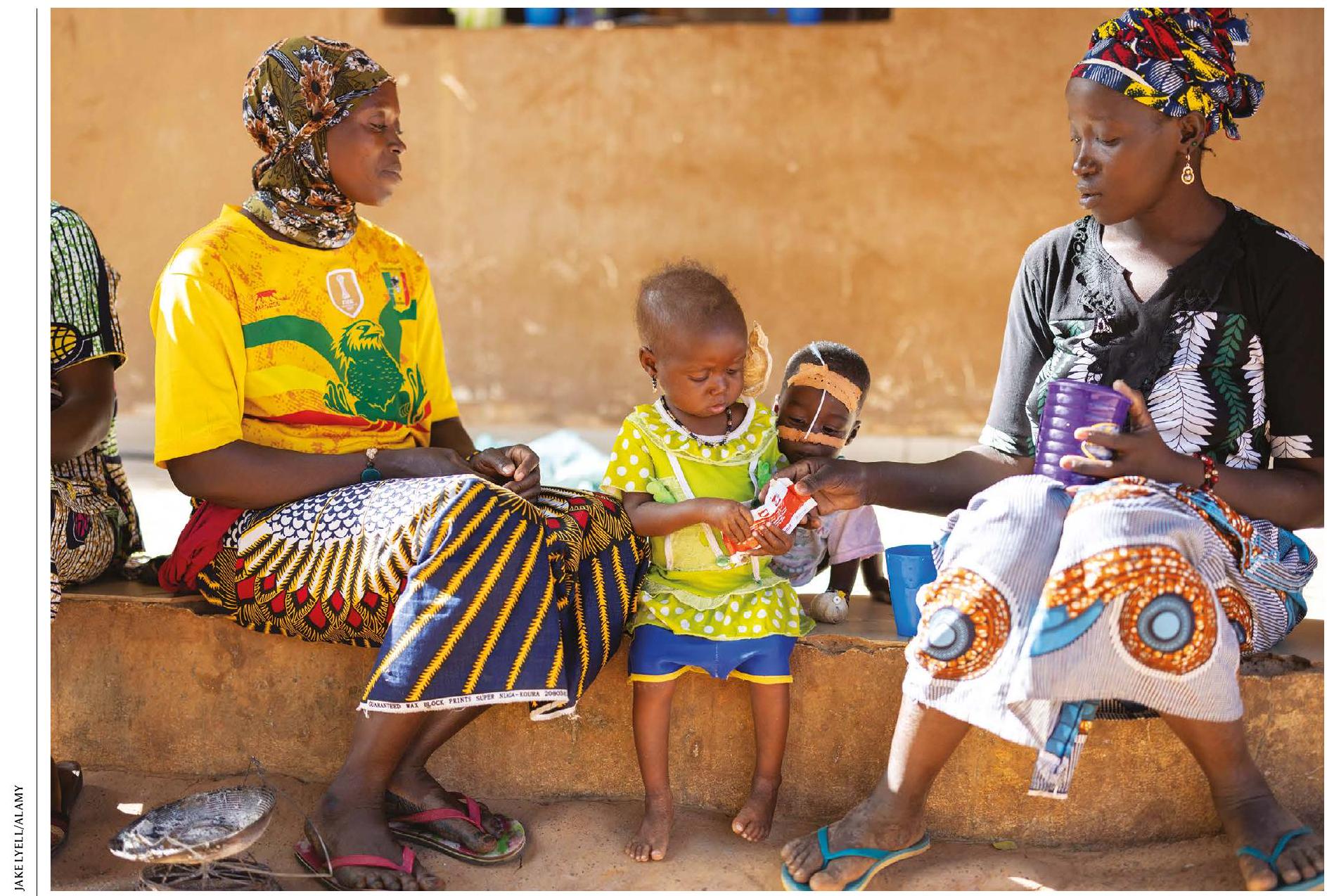
فقدان التمويل للأغذية العلاجية الجاهزة للاستخدام قد يعني أن ملايين الأطفال حول العالم لا يمكنهم الوصول إلى هذا العلاج المنقذ للحياة.
الأثر القاتل الكامل للتخفيضات الكبيرة في المساعدات الغذائية الدولية
الانسحاب المفاجئ لما يقرب من نصف التمويل العالمي للتغذية سيكون له عواقب وخيمة لعقود.
تفكيك وكالة الولايات المتحدة للتنمية الدولية (USAID) وتقليص ميزانيات المساعدات على مدى السنوات الثلاث إلى الخمس المقبلة التي أعلنت عنها دول مانحة غربية أخرى، بما في ذلك المملكة المتحدة
هذه التخفيضات – تعادل
سوء التغذية الحاد الشديد، أو الهزال الشديد، هو أخطر أشكال نقص التغذية.
وهو مسؤول عن ما يصل إلى
وهو مسؤول عن ما يصل إلى
البرامج المثبتة، مثل الإدارة المجتمعية لسوء التغذية الحاد الشديد، التي تجمع بين الفحص والعلاج والإرشاد، يمكن أن تقلل من معدل الوفيات إلى أقل من
الانسحاب المفاجئ للدعم من المانحين يترك ملايين الأطفال المرضى بشدة بدون
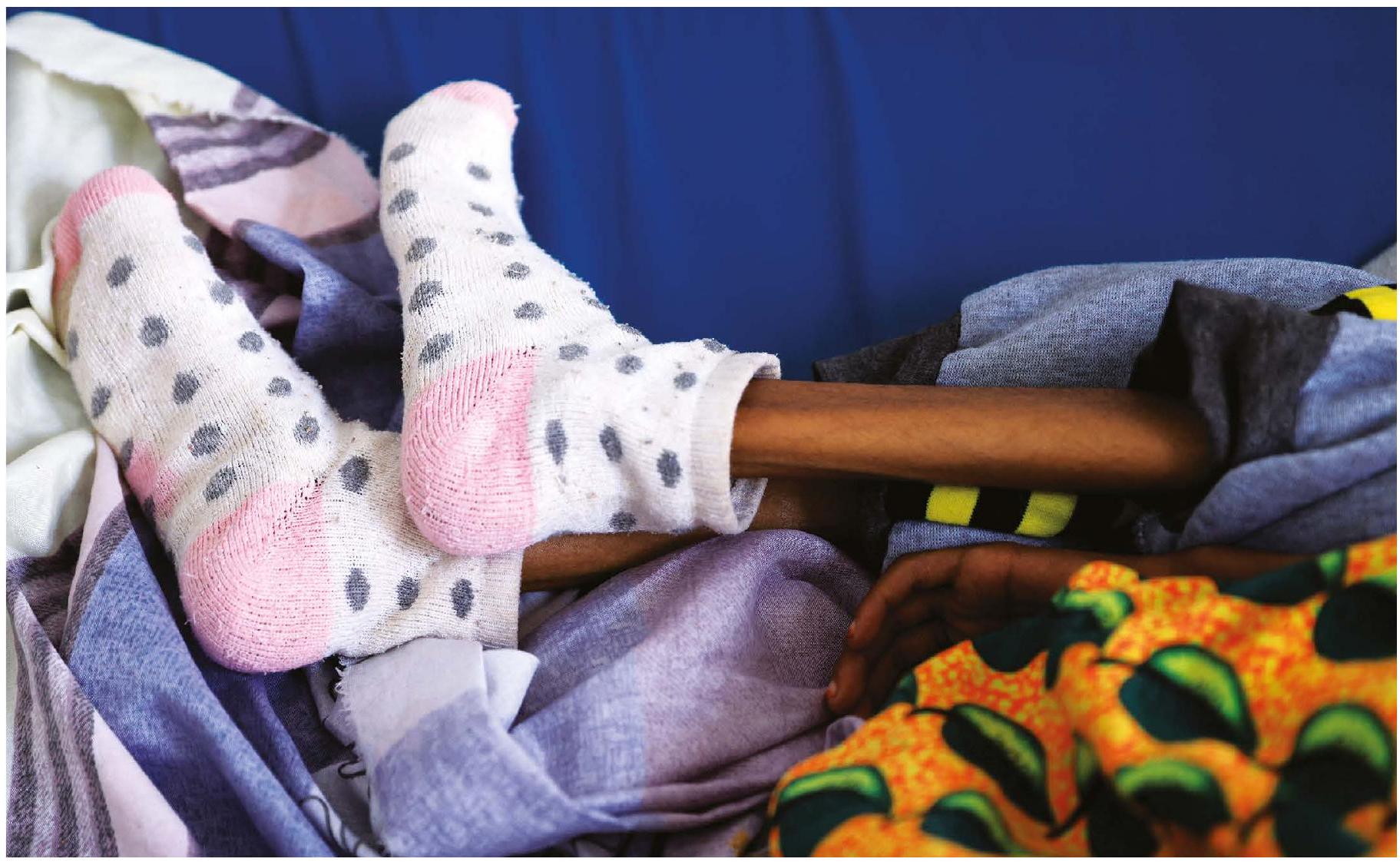
الهزال الشديد مسؤول عن ما يصل إلى
الوصول إلى هذه البرامج المنقذة للحياة. إنه بالفعل يقوض القدرة المؤسسية والخبرة والبنى التحتية للبيانات اللازمة لتقديم خدمات التغذية الأساسية.
على سبيل المثال، في نيجيريا، أدى سحب تمويل USAID Advancing Nutrition إلى أن تضطر جمعية هيلين كيلر الدولية إلى إيقاف برنامج يقدم خدمات التغذية لـ 5.6 مليون طفل. في السودان، تم إغلاق حوالي 80% من مطابخ الطوارئ الغذائية. في إثيوبيا، ستنفد إمدادات الأطعمة الغنية بالمغذيات المستخدمة لعلاج حوالي مليون طفل يعانون من سوء التغذية الشديد سنويًا بحلول مايو. وشبكة FEWS-NET العالمية، وهي مصدر رائد للبيانات حول مخاطر المجاعة، جالسة بلا حركة، مما يعطل أنظمة الإنذار المبكر للتخطيط الإنساني وتخصيص الموارد الطارئة.
فقدان تمويل المانحين يهدد أيضًا شراء وتوزيع الطعام العلاجي الجاهز للاستخدام، وهو علاج منقذ للحياة لسوء التغذية الحاد الشديد. يأتي المنتج على شكل معجون كثيف من المغذيات الدقيقة يحتوي على الفول السوداني، ومسحوق الحليب، والسكر، والزيوت، والفيتامينات والمعادن. وقد دعمت الوكالة الأمريكية للتنمية الدولية نصف إمدادات العالم.
ستكون آثار هذه التخفيضات وخيمة. لتوضيح ذلك، هنا نقيم حجمها.
ملايين الأرواح في خطر
بشكل عام، نقدر أن التخفيضات من
سيؤدي ‘الانهيار’ إلى قطع العلاج عن 2.3 مليون طفل في البلدان ذات الدخل المنخفض والمتوسط. وهذا سيؤدي إلى 369,000 وفاة إضافية للأطفال سنويًا كان من الممكن تجنبها.
سيؤدي ‘الانهيار’ إلى قطع العلاج عن 2.3 مليون طفل في البلدان ذات الدخل المنخفض والمتوسط. وهذا سيؤدي إلى 369,000 وفاة إضافية للأطفال سنويًا كان من الممكن تجنبها.
من بين هؤلاء، إنهاء البرامج الممولة من الولايات المتحدة (التي تبلغ قيمتها
تستند هذه السيناريوهات الأسوأ إلى بيانات صرف المانحين لعام 2022 لعلاج الهزال الشديد، المستمدة من نظام تقارير الدائنين لمنظمة التعاون والتنمية الاقتصادية والتي تم تحليلها بواسطة Results for Development، وهي منظمة غير ربحية عالمية.
تستند هذه السيناريوهات الأسوأ إلى بيانات صرف المانحين لعام 2022 لعلاج الهزال الشديد، المستمدة من نظام تقارير الدائنين لمنظمة التعاون والتنمية الاقتصادية والتي تم تحليلها بواسطة Results for Development، وهي منظمة غير ربحية عالمية.
قطع جميع التمويلات الأمريكية ومتوسط
يتم مطابقة تمويل المانحين بمساهمات من حكومات البلدان ذات الدخل المنخفض والمتوسط، كما هو الحال غالبًا.
يتم مطابقة تمويل المانحين بمساهمات من حكومات البلدان ذات الدخل المنخفض والمتوسط، كما هو الحال غالبًا.
تقرير لا وقت لإضاعته
قمنا بحساب نسبة الانخفاض في تمويل المانحين مقارنةً بصرفيات عام 2022 وقيّمنا عدد الأطفال الذين تم علاجهم في عام 2022 والذين لن يتلقوا المساعدة الآن. وبالمثل، قمنا بتحليل عدد الوفيات التي تم منعها بسبب العلاج في عام 2022 والتي لن يتم تجنبها الآن.
عواقب عالمية
على الرغم من أنه صادم، قد يكون عدد الوفيات تقديرًا ناقصًا، لأن تخفيضات المساعدات تهدد مجموعة كبيرة من برامج دعم التغذية، بما في ذلك الصحة والزراعة وتغذية المدارس والمياه والصرف الصحي. قريبًا قد نرى المزيد من الملايين من الأطفال حول العالم يعانون من الهزال، وقصر القامة وسوء التغذية بالفيتامينات والمعادن.
العواقب طويلة الأمد مقلقة أيضًا. الأطفال الذين يعانون من سوء التغذية سيفشلون في تحقيق إمكاناتهم البدنية والمعرفية.
تقليل تحصيلهم التعليمي وتعريض مستقبلهم الاقتصادي والصحي للخطر
تقليل تحصيلهم التعليمي وتعريض مستقبلهم الاقتصادي والصحي للخطر
الحجة لعلاج سوء التغذية لا لبس فيها، والمعرفة والأدوات المتاحة للوقاية من سوء التغذية وعلاجه فعالة من حيث التكلفة. تقدر البنك الدولي أن كل دولار واحد يتم استثماره في معالجة نقص التغذية يعود
الخطوات التالية
تتطلب هذه الأزمة غير المسبوقة من العالم إعادة التفكير في المساعدات الغذائية، بالإضافة إلى ضرورة إعطاء الأولوية وتوسيع خيارات التمويل. ندعو الحكومات والمانحين والممولين إلى اتخاذ الخطوات التالية.
أولاً، استعادة تنفيذ واستهداف الإغاثة الإنسانية للتدخلات الغذائية المنقذة للحياة. هذا أمر ضروري لضمان استمرار وتوسيع إدارة المجتمع لحالات الهزال الحاد الشديد التي تشمل الفحص والعلاج بالعلاج الغذائي.
الأطعمة، استشارات التغذية والمتابعة لمنع الانتكاس.
ثانيًا، تمكين الحكومات وتحفيزها ودعمها لتكثيف جهودها لتوسيع نطاق تغطية برامج التغذية الأساسية المستندة إلى الأدلة عبر أنظمة الصحة والزراعة والغذاء والحماية الاجتماعية. من أجل
الأطعمة، استشارات التغذية والمتابعة لمنع الانتكاس.
ثانيًا، تمكين الحكومات وتحفيزها ودعمها لتكثيف جهودها لتوسيع نطاق تغطية برامج التغذية الأساسية المستندة إلى الأدلة عبر أنظمة الصحة والزراعة والغذاء والحماية الاجتماعية. من أجل
“عدم التحرك الآن سيؤدي ليس فقط إلى زيادة كبيرة في وفيات الأطفال ولكن أيضًا إلى أضرار اجتماعية على المدى الطويل.”
على سبيل المثال، لتعزيز ممارسات الرضاعة الطبيعية المثلى والتغذية التكميلية، وزيادة تناول المكملات التي تحتوي على فيتامين أ للأطفال وتلك التي تحتوي على مغذيات دقيقة متعددة خلال الحمل، ودعم السياسات التي تزيد من الوصول إلى أنظمة غذائية صحية ومستدامة.
ثالثًا، العمل مع حكومات الدول ذات الدخل المنخفض والمتوسط والقادة الوطنيين وتحفيز مؤسسات التمويل التنموي لزيادة التمويل العالمي لبرامج التغذية
ثالثًا، العمل مع حكومات الدول ذات الدخل المنخفض والمتوسط والقادة الوطنيين وتحفيز مؤسسات التمويل التنموي لزيادة التمويل العالمي لبرامج التغذية
- الحكومة الأمريكية – المانحون الآخرون
من المتوقع أن تنخفض التبرعات العالمية لبرامج التغذية بنسبة 44% في عام 2025 مقارنة بعام 2022.
انهيار تمويل التغذية
إن إنهاء دعم المانحين الأمريكيين والأوروبيين لبرامج سوء التغذية سيعرض ملايين الأطفال الجائعين لخطر الموت أو تأخر النمو.
إن إنهاء دعم المانحين الأمريكيين والأوروبيين لبرامج سوء التغذية سيعرض ملايين الأطفال الجائعين لخطر الموت أو تأخر النمو.
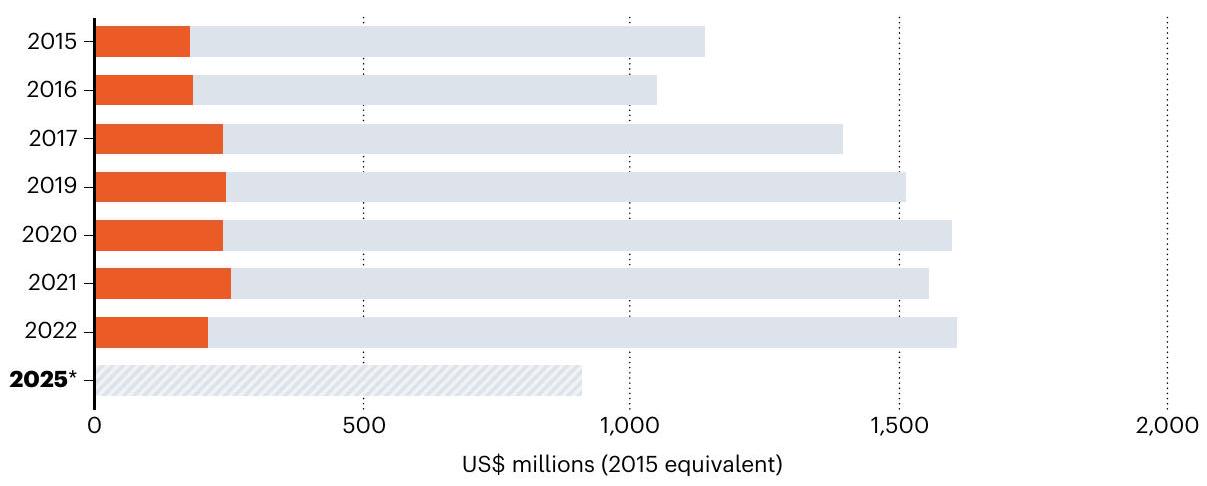
من المتوقع أن ينخفض الاستثمار في علاجات الهزال بنسبة
وتمويل الشركات الصغيرة والمتوسطة لضمان الوصول إلى الأطعمة المغذية المنتجة محليًا وبأسعار معقولة.
أخيرًا، إعادة بناء وتعزيز أنظمة جمع البيانات ومراقبتها في مجال التغذية، مثل FEWS-NET، باستخدام تقنيات مبتكرة منخفضة التكلفة، مثل الاستطلاعات المعتمدة على الهواتف المحمولة، والتصوير بالأقمار الصناعية، وتحليلات التنبؤ المدعومة بالذكاء الاصطناعي، لتوجيه الاستجابات الفورية لأزمات الغذاء باستخدام موارد أقل.
سيفضي الفشل في اتخاذ الإجراءات الآن إلى زيادة حادة في وفيات الأطفال وأيضًا إلى أضرار اجتماعية طويلة الأمد ستؤثر على الأجيال القادمة. من الضروري أن يتحرك الشركاء العالميون في التنمية والحكومات والمانحون على الفور لحماية التغذية لأكثر الفئات ضعفًا في العالم. مستقبلنا الجماعي يعتمد على ذلك.
المؤلفون
ساسيكا أوسنداراب هي المديرة التنفيذية لمنتدى المغذيات الدقيقة، واشنطن العاصمة، الولايات المتحدة الأمريكية. ماري رويل هي زميلة بحثية أولى في معهد بحوث السياسات الغذائية الدولية، واشنطن العاصمة، الولايات المتحدة الأمريكية. إيمورن أودومكسما لي هو مستشار أول في معهد التغذية، جامعة ماهيدول، ناخون باتوم، تايلاند.
ماسريشا تيسما هو مدير إدارة بحوث التغذية والصحة البيئية والأمراض غير المعدية، المعهد الإثيوبي للصحة العامة، أديس أبابا، إثيوبيا.
لورانس هداد هو المدير التنفيذي للتحالف العالمي لتحسين التغذية، جنيف، سويسرا. جميع المؤلفين هم أيضًا أعضاء في ائتلاف الوقوف معًا من أجل التغذية.
البريد الإلكتروني: saskia.osendarp@micronutrientforum.org
ماسريشا تيسما هو مدير إدارة بحوث التغذية والصحة البيئية والأمراض غير المعدية، المعهد الإثيوبي للصحة العامة، أديس أبابا، إثيوبيا.
لورانس هداد هو المدير التنفيذي للتحالف العالمي لتحسين التغذية، جنيف، سويسرا. جميع المؤلفين هم أيضًا أعضاء في ائتلاف الوقوف معًا من أجل التغذية.
البريد الإلكتروني: saskia.osendarp@micronutrientforum.org
- شيلدريك، م. ‘المساعدات الخارجية تتقلص – ماذا سيحدث بعد ذلك؟’ فوربس (25 فبراير 2025).
- أندريدج، ج.، مكارتير، أ.، داليمونتي، م. ونياكو، أ. تتبع المساعدات لأهداف التغذية في الجمعية العالمية للصحة: التقدم نحو الأهداف العالمية للتغذية بين 2015 و2022 (نتائج من أجل التنمية، 2024).
- لوك، ل. م.، ستيوارت، س. ب.، هوفمان، د. ج. ودوجان، س. ب. أم. ج. سريري. تغذية.https://doi.org/10.1016/j.ajcnut.2025.02.020 (2025).
- يونيسف. لا وقت لنضيعه (يونيسف، 2024).
- مجموعة دراسة التغذية للأم والطفل. الملخص التنفيذي لسلسلة التغذية للأم والطفل من لانسيت (لانسيت، 2013).
- ديزموند، ج. وآخرون. PLoS Glob. الصحة العامة 1، e0000021 (2021).
- هودينوت، ج. اقتصاديات تقليل سوء التغذية في أفريقيا جنوب الصحراء الكبرى (اللوحة العالمية للزراعة وأنظمة الغذاء من أجل التغذية، 2016).
8 شيكار، م.، أوكامورا، ك. س.، فيلار-كومبت، م. وديل أيرا، س. (محررون) إطار الاستثمار للتغذية 2024 (البنك الدولي، 2024). - كيلر، ج. م. وإلدريدج، ر. المشهد العالمي المتطور لتمويل التغذية المحددة (مركز التنمية العالمية، 2025).
يعلن المؤلفون عدم وجود مصالح متنافسة.
قائمة من الموقّعين المشاركين ومعلومات إضافية أخرى ترافق هذه المقالة عبر الإنترنت؛ انظر go.nature.com/4c4zje3 لمزيد من التفاصيل.
قائمة من الموقّعين المشاركين ومعلومات إضافية أخرى ترافق هذه المقالة عبر الإنترنت؛ انظر go.nature.com/4c4zje3 لمزيد من التفاصيل.
Journal: Nature, Volume: 640, Issue: 8057
DOI: https://doi.org/10.1038/d41586-025-00898-3
PMID: https://pubmed.ncbi.nlm.nih.gov/40140717
Publication Date: 2025-03-26
DOI: https://doi.org/10.1038/d41586-025-00898-3
PMID: https://pubmed.ncbi.nlm.nih.gov/40140717
Publication Date: 2025-03-26
Loss of funding for ready-to-use therapeutic foods could mean that millions of children globally cannot access this life-saving treatment.
The full lethal impact of massive cuts to international food aid
The sudden withdrawal of almost half of global funding for nutrition suddenly will have dire consequences for decades.
The dismantling of the US Agency for International Development (USAID) and reductions in aid budgets over the next 3-5 years announced by other Western donor countries, including the United Kingdom (
These cuts – equivalent to
Severe acute malnutrition, or severe wasting, is the most lethal form of undernutrition
and is responsible for up to
and is responsible for up to
Proven programmes, such as community-based management of severe acute malnutrition, which combine screening, treatment and counselling, can reduce mortality to below
The abrupt withdrawal of donor support leaves millions of critically ill children without
Severe wasting is responsible for up to
access to these life-saving programmes. It is already undermining the institutional capacity, expertise and data infrastructures required to deliver essential nutrition services.
For example, in Nigeria, withdrawal of USAID Advancing Nutrition funding has meant that the charity Helen Keller International has had to stop a programme that provides nutrition services for 5.6 million children. In Sudan, almost 80% of emergency food kitchens are closed. In Ethiopia, supplies of nutrient-rich foods used to treat around one million severely malnourished children annually will run out by May. And the global FEWS-NET network a leading source of data on famine risks sits idle, disrupting early-warning systems for humanitarian planning and emergency resource allocation.
Loss of donor funding is also jeopardizing the procurement and distribution of ready-touse therapeutic food, a life-saving treatment for severe acute malnutrition. The product comes as a dense micronutrient paste that contains peanuts, milk powder, sugar, oils, vitamins and minerals. USAID supported half of the world’s supply
The impacts of these cuts will be dire. To illustrate, here we assess their scale.
Millions of lives in peril
Altogether, we estimate that reductions of
collapse’) will cut off treatment for 2.3 million children in low- and middle-income countries (LMICs). This would lead to 369,000 extra child deaths a year that would otherwise have been prevented.
collapse’) will cut off treatment for 2.3 million children in low- and middle-income countries (LMICs). This would lead to 369,000 extra child deaths a year that would otherwise have been prevented.
Of those, the termination of US-funded programmes (worth
These worst-case scenarios are based on 2022 donor disbursement data for severe wasting treatment, drawn from the Creditor Reporting System of the Organisation for Economic Co-operation and Development and analysed by Results for Development, a global non-profit organization
These worst-case scenarios are based on 2022 donor disbursement data for severe wasting treatment, drawn from the Creditor Reporting System of the Organisation for Economic Co-operation and Development and analysed by Results for Development, a global non-profit organization
Cutting all US financing and on average
donor funding is matched by contributions from LMIC governments, as is often the case.
donor funding is matched by contributions from LMIC governments, as is often the case.
The No Time to Waste report
We calculated the percentage of reduction in donor funding compared with the 2022 disbursements and assessed how many of the children treated in 2022 would now not receive aid. Similarly, we analysed how many of the prevented deaths because of treatment in 2022 would now not be averted.
Global consequences
Although shocking, the number of deaths might be an underestimate, because the aid cuts threaten a huge array of nutrition-supporting programmes, including health, agriculture, school feeding and water and sanitation. Soon we might see many more millions of children around the world developing wasting, stunted growth and micronutrient malnutrition.
The long-term consequences are also worrying. Malnourished children will fail to meet their physical and cognitive potential,
reducing their educational attainment and jeopardizing their future economic productivity and health
reducing their educational attainment and jeopardizing their future economic productivity and health
The case for treatment is unequivocal, and the knowledge and tools to prevent and treat malnutrition are available and highly cost-effective. The World Bank estimates that every $1 invested in tackling undernutrition returns
Next steps
This unprecedented crisis requires the world to rethink aid to nutrition, as well as to prioritize and expand financing options. We call for governments, donors and funders to take the following steps.
First, restore the implementation and targeting of humanitarian relief for life-saving nutrition interventions. This is essential to ensure the continuation and scaling of community-based management of severe acute wasting programmes that include screening, treatment with therapeutic
foods, nutrition counselling and follow-up to prevent relapse.
Second, enable, incentivize and support governments to redouble their efforts to scale up coverage of evidence-based essential-nutrition programmes across health, agrifood and social-protection systems. For
foods, nutrition counselling and follow-up to prevent relapse.
Second, enable, incentivize and support governments to redouble their efforts to scale up coverage of evidence-based essential-nutrition programmes across health, agrifood and social-protection systems. For
“Failure to act now will result not only in a drastic increase in child mortality but also in long-term societal damage.”
instance, to promote optimal breastfeeding and complementary feeding practices, increase the uptake of supplements containing vitamin A for children and those containing multiple micronutrients during pregnancy, and support policies that increase access to healthy and sustainable diets.
Third, work with LMIC governments and national leaders and incentivize development-finance institutions to increase global funding for nutrition programmes
Third, work with LMIC governments and national leaders and incentivize development-finance institutions to increase global funding for nutrition programmes
- US government – Other donors
Global donations for nutrition programmes are estimated to drop by 44% in 2025 compared with 2022.
NUTRITION FUNDING COLLAPSE
Ending of US and European donor support for malnutrition programmes will put millions of starving children at risk of death or stunted development.
Ending of US and European donor support for malnutrition programmes will put millions of starving children at risk of death or stunted development.
Investment in treatments for wasting is estimated to go down by
and finance small and medium-sized enterprises to ensure access to and affordability of locally produced, nutritious foods.
Finally, rebuild and strengthen nutrition data-gathering and monitoring systems, such as FEWS-NET, using innovative lowcost technologies, such as mobile-phonebased surveys, satellite imaging and artificial-intelligence-powered predictive analytics, to guide timely responses to food crises using fewer resources.
Failure to act now will result not only in a drastic increase in child mortality but also in long-term societal damage that will reverberate across generations. It is imperative that global development partners, governments and donors mobilize immediately to safeguard nutrition for the world’s most vulnerable populations. Our collective future depends on it.
The authors
Saskia Osendarp is executive director of the Micronutrient Forum, Washington DC, USA. Marie Ruel is senior research fellow at International Food Policy Research Institute, Washington DC, USA. Emorn Udomkesmalee is a senior adviser at the Institute of Nutrition, Mahidol University, Nakhon Pathom, Thailand.
Masresha Tessema is director of the Nutrition, Environmental Health and Non-communicable Disease Research Directorate, Ethiopian Public Health Institute, Addis Ababa, Ethiopia.
Lawrence Haddad is executive director of The Global Alliance for Improved Nutrition, Geneva, Switzerland. All authors are also members of the Standing Together for Nutrition consortium.
e-mail: saskia.osendarp@micronutrientforum. org
Masresha Tessema is director of the Nutrition, Environmental Health and Non-communicable Disease Research Directorate, Ethiopian Public Health Institute, Addis Ababa, Ethiopia.
Lawrence Haddad is executive director of The Global Alliance for Improved Nutrition, Geneva, Switzerland. All authors are also members of the Standing Together for Nutrition consortium.
e-mail: saskia.osendarp@micronutrientforum. org
- Sheldrick, M. ‘Foreign Aid Is Shrinking-What Happens Next?’ Forbes (25 February 2025).
- Andridge, C., McCarter, A., D’Alimonte, M. & Nyaku, A. Tracking Aid for the WHA Nutrition Targets: Progress toward the Global Nutrition Goals between 2015 to 2022 (Results for Development, 2024).
- Locks, L. M., Stewart, C. P., Hoffman, D. J. & Duggan, C. P. Am. J. Clin. Nutr. https://doi.org/10.1016/j.ajcnut.2025.02.020 (2025).
- UNICEF. No Time to Waste (UNICEF, 2024).
- Maternal and Child Nutrition Study Group. Executive Summary of The Lancet Maternal and Child Nutrition Series (Lancet, 2013).
- Desmond, C. et al. PLoS Glob. Public Health 1, e0000021 (2021).
- Hoddinott, J. The Economics of Reducing Malnutrition in Sub-Saharan Africa (Global Panel on Agriculture and Food Systems for Nutrition, 2016).
8 Shekar, M., Okamura, K. S., Vilar-Compte, M. & Dell’Aira, C. (eds) Investment Framework for Nutrition 2024 (World Bank, 2024). - Keller, J. M. & Eldridge, R. The Evolving Global Landscape for Nutrition-Specific Financing (Center for Global Development, 2025).
The authors declare no competing interests.
A list of co-signatories and other Supplementary information accompanies this article online; see go.nature.com/4c4zje3 for details.
A list of co-signatories and other Supplementary information accompanies this article online; see go.nature.com/4c4zje3 for details.