
DOI: https://doi.org/10.22399/ijcesen.806
تاريخ النشر: 2025-01-13
المؤشرات الاجتماعية والمعرفية للتعلم التعاوني في الفرق الموسيقية
معلومات المقال:
تاريخ الاستلام: 23 نوفمبر 2024
تاريخ القبول: 02 يناير 2025
الكلمات المفتاحية:
الملخص
: كانت هناك العديد من المحاولات لإيجاد طرق لجعل التعليم الموسيقي أكثر صلة وفائدة للطلاب. تعتبر نظريات التعلم، التعلم القائم على الأداء، التعلم التعاقدي، التعلم الاكتشافي، التعلم التعاوني، التوقيت اليومي، الممارسة على المسرح، والدورات المطلوبة والاختيارية التي تركز على الموسيقى جزءًا من تنفيذ هذه الأساليب. نظرًا لأن الطلاب في التعليم العالي يميلون إلى الحصول على درجات GPA أقل، فمن الضروري أن يكتشفوا استراتيجيات لتعزيز أدائهم الأكاديمي. يجب أن تكون الإصلاحات، بدلاً من الاعتماد على الأطر النظرية، قائمة على أفعال إنسانية عملية ومبتكرة. يمتلك كل من المعلمين والطلاب القدرة على فهم ما تعلموه، وفقًا للمنظور الإنساني. تقدم هذه الورقة دليلًا على أن التعلم التعاوني مفيد لطلاب الممارسة الموسيقية في السنة الأولى في برنامج الموسيقى الشعبية في مؤسسة صينية. يعمل الطلاب في مجموعات صغيرة ومتنوعة. تم جمع البيانات وتحليلها من الطلاب على مدار عام أكاديمي واحد مع الدرجات
1. المقدمة
إنشاء الموسيقى ولكن أيضًا تجربة الموسيقى، وتحليلها، وتقييمها، بالإضافة إلى التعبير عن المشاعر والأفكار والأفكار الشخصية [5]. يوفر العلاج بالموسيقى والعلاج بالفن بديلاً غير دوائي رائع للعلاجات التقليدية الفعالة ولكن قد يكون لها آثار جانبية. يمكن أن تساعد هذه العلاجات في الأعراض والقدرات المعرفية والعاطفية والاجتماعية ولكنها أكثر أمانًا. وفقًا لإجراءات PRISMA، تم مراجعة 80 ورقة في قواعد بيانات SCOPUS وWOS وتقييمها باستخدام مجموعة من الفئات والفئات الفرعية المحددة مسبقًا [6]. تسبق تنكس خلايا الدماغ المعنية بالوظيفة المعرفية تنكس خلايا الدماغ الأخرى، وهذه هي بداية الاكتئاب. لا يوجد حاليًا علاج لهذا الاضطراب العصبي، الذي يتم تعريفه بانخفاض في العجز البدني والاجتماعي والمعرفي. يستفيد مرضى الخرف من الأساليب غير الدوائية، مثل العلاج بالموسيقى، التي تحسن جودة الحياة وتقلل من حدوث السلوكيات [7]. يحتاج الطلاب إلى تعلم كيفية العمل بشكل جيد مع الأفراد الأكبر سنًا إذا كانت السكان ستستمر في التقدم في العمر. تم تنفيذ مشروع خدمة تعلم مكثف من قبل الطلاب في دورة جامعية عبر الإنترنت حول الممارسات الموسيقية الشاملة. كان الهدف من المشروع هو تعزيز أهداف التعلم للدورة وزيادة الوعي بمسائل الشمول عبر دورة الحياة، والعدالة الاجتماعية، والإعاقة [8]. عندما يستمع الأفراد إلى الموسيقى، فإنها تحفز إفراز مواد كيميائية مريحة مثل السيروتونين وهرمونات السعادة مثل الدوبامين. لذلك، بالإضافة إلى التأثير على المزاج، للموسيقى آثار فسيولوجية أخرى، مثل رفع ضغط الدم، ومعدل ضربات القلب، ومعدل التنفس. إنها تحفز مجموعة من المسارات والدوائر العصبية في الدماغ، بما في ذلك تلك المعنية بمعالجة الحواس ومعالجة المعلومات السمعية [9]. لقد اعترفت مجال التعليم منذ فترة طويلة بأهمية التعليم الموسيقي [10]. قد تكون التفاعلات الاجتماعية، والتواصل، والتبادلات العاطفية تحديًا للأطفال المصابين بالتوحد. عندما يتعامل الأطفال مع الموسيقى، قد يحسن ذلك من مهاراتهم الحركية الحسية، بالإضافة إلى تطورهم المعرفي والعاطفي، ويفتح آفاق جديدة للتواصل والتعلم [11]. لقد أبدى العلماء في مجال التعليم والتعلم اهتمامًا كبيرًا بالطرق التي يؤثر بها التدريب الموسيقي على القدرات المعرفية للطلاب. تشير الأبحاث إلى أن دمج الموسيقى في الفصل الدراسي يحسن تجارب التعلم للطلاب، مما يعود بالفائدة على نموهم الشخصي والأكاديمي [12]. تتأثر المجالات المعرفية والعاطفية والدافعية والاجتماعية من التنمية البشرية بشكل إيجابي بالممارسة الموسيقية، مما يشير إلى تغييرات في وظائف الدماغ.
1.1 الهدف والنطاق
1.2 العوامل الاجتماعية والمعرفية في الفرق الموسيقية
يحسنون فهمهم وكفاءتهم الموسيقية.
التعبير العاطفي: يتمكن الطلاب من التعبير عن أنفسهم من خلال الموسيقى، ويمكن للطلاب القيام بذلك أيضًا من خلال التعلم التعاوني. يمكن للطلاب معرفة المزيد عن تجارب بعضهم الشخصية والموسيقى التي يحبونها من خلال العمل معًا. بالإضافة إلى تعزيز النمو العاطفي للأطفال، يساعد التعلم التعاوني في تقوية مهاراتهم في التواصل والتعبير العاطفي. تحسين الوعي الجماعي وتعزيز روح التعاون بين الطلاب من خلال التعلم التعاوني، وهو أمر ضروري للعديد من العروض الموسيقية. تعلم الممارسة التعاونية الطلاب تقدير وجهات نظر الآخرين، وتقدير جهود الآخرين، وتطوير مهارات التعاون القوية.
اعتبارات لتجاوز العقبات من أجل التغلب على هذه العقبات، يمكننا النظر في الجوانب التالية.
العامل 1: التجميع والتنسيق المنطقي
يمكن للمعلمين تنظيم الطلاب بشكل منطقي بناءً على اهتماماتهم وقدراتهم وأنماط تعلمهم في الموسيقى من أجل معالجة مشكلات التعاون الناجمة عن شخصيات الطلاب الفريدة. لضمان تحقيق أقصى استفادة من التعلم والتكامل، تأكد من أن كل فريق يتضمن أطفالًا من خلفيات متنوعة وبقدرات مختلفة. في الوقت نفسه، يتمتع المعلمون بالقدرة على إلهام الطلاب للعمل معًا، وتوسيع حدود التعاون، وتعزيز التواصل والتعاون بين المجموعات.
العامل 2: إدارة الوقت بشكل فعال
يمكن للمعلمين تخفيف مشكلة إدارة الوقت من خلال إنشاء خطط دروس شاملة وجداول زمنية تنظم العمل بشكل عادل لكل خطوة. كما أن لدى المعلمين الفرصة لمساعدة الأطفال في تطوير استراتيجيات التعلم، مثل إنشاء جدول يتضمن كل من العمل الفردي والجماعي. علاوة على ذلك، يتمتع المعلمون بالقدرة على مراقبة تقدم الطلاب في التعلم بشكل منتظم، وتحديد المشكلات على الفور، وتقديم التوجيه.
العامل 3: تحديد دور المعلمين
يتطلب التعلم التعاوني من المعلمين تحديد مسؤولياتهم. بالإضافة إلى العمل كمنظمين ومرشدين، يشاركون أيضًا كمشاهدين. عندما يعمل الطلاب معًا لتعلم شيء جديد، يجب على المعلمين التراجع والسماح لهم بالتركيز على ما يفعلونه بشكل أفضل. في الوقت نفسه، من أجل نجاح التعلم التعاوني، يجب على المعلمين تقديم التوجيه والدعم المناسبين للطلاب في الوقت المناسب. يجب على المعلمين أيضًا أن يكونوا حساسين لاحتياجات طلابهم العاطفية ويدفعوا نحو المزيد من العمل الجماعي، والمساعدة المتبادلة، والإنجاز المشترك.
يحتاج المعلمون إلى خلق بيئة تعاونية إيجابية لتسهيل تطور الطلاب بسهولة في التعلم التعاوني. يمكنهم تخطيط بعض الأنشطة لبناء الفريق لجعل الأطفال يعملون معًا ويثقون ببعضهم البعض. في الوقت نفسه، يمكن للمعلمين إلهام طلابهم لعرض إبداعاتهم الموسيقية، وتقييم بعضهم البعض، ودعم نمو وتطور بعضهم البعض في النهاية. يجب على المعلمين أيضًا تشجيع طلابهم على الاجتماع بانتظام في مجموعات صغيرة أو مشاركة ما تعلموه من أجل تعزيز بيئة يكون فيها الطلاب مهتمين ومتحمسين للدراسة. أخيرًا، من الممكن أن تقدم التعليم الموسيقي بعض العقبات أمام التعلم التعاوني. ومع ذلك، يمكن التغلب على هذه العقبات بنجاح ويمكن أن يتقدم التعلم التعاوني بسلاسة إذا استخدمنا العناصر والأساليب المناسبة. يمكننا تحقيق أقصى استفادة من فوائد وواجبات التعلم التعاوني في التعليم الموسيقي من خلال خلق بيئة ملائمة لذلك، واستخدام استراتيجيات التجميع والتنسيق المناسبة، وإدارة وقتنا بحكمة، وتحديد أدوارنا كمعلمين بوضوح.
2. الأعمال ذات الصلة
تبحث هذه الدراسة في العلاقة بين تطلعات معلمي الموسيقى في المعاهد الموسيقية للنتائج الاجتماعية ومستوى رضاهم عن التعليم عن بُعد خلال الوباء. تستند الدراسة، التي تعتمد على نظرية التعلم الاجتماعي المعرفي، إلى التحقيق في الأدوار الوسيطة المحتملة للإجهاد التكنولوجي والرغبة في استخدام تكنولوجيا المعلومات والاتصالات في تلك العلاقة. من خلال استخدام استبيان ذاتي عبر الإنترنت، شارك 108 معلمين من المعاهد الموسيقية الإيطالية في دراسة مقطعية. تشير النتائج إلى أن الإجهاد التكنولوجي هو الآلية التي من خلالها تؤثر توقعات النتائج الاجتماعية بشكل غير مباشر سلبًا على رضا المعلمين. ومع ذلك، كانت التأثيرات الفورية إيجابية وقوية. وفقًا للدراسة، فإن الإجهاد التكنولوجي هو نتيجة للتوقعات الاجتماعية. من ناحية أخرى، سمحوا لمعلمي الموسيقى بمواجهة تحدي التعليم عبر الإنترنت والعثور على مزيد من المتعة في العملية.
تقوم هذه الدراسة بمقارنة القدرات المعرفية والحركية للبالغين الأصحاء المسنين الذين هم مبتدئون في العزف على البيانو مع مجموعة التحكم التي تم وضعها على قائمة الانتظار والتي لا تفعل شيئًا طوال برنامج مدته 10 أسابيع [19-21]. شارك خمسة عشر شخصًا في جلسات تعليم البيانو التي يقودها معلم موسيقى (مجموعتان تجريبيتان ومجموعتان ضابطتان بحد أقصى أربعة طلاب لكل فصل). تم أخذ بيانات كمية لجميع المشاركين قبل وبعد مجموعة من الاختبارات الحركية والمعرفية كجزء من التصميم التفسيري التسلسلي. مجموعة التحكم التي تم وضعها على قائمة الانتظار (
تأثير مفيد كبير للتدريب، مما يشير إلى تحسين القدرات الحركية البصرية، وفقًا لنمذجة بايزي. لم يكن هناك أي ميزة للتبديل المعرفي، وكانت هناك أدلة متوسطة على أن التدريب كان له عواقب سلبية على الجزء ب من اختبار صنع المسارات (بالإضافة إلى فرق الدرجات دلتا). تم تشجيع المشاركين على المشاركة في مجموعات موسيقية والتفاعل من خلال جو التعلم الجماعي، وفقًا للبيانات النوعية.
الغرض من مراجعة الأدبيات هذه هو فحص الحالة الحالية للمعرفة حول دور العواطف في تعليم الموسيقى، مع التركيز بشكل خاص على مواضيع مثل: الفرص المتاحة للطلاب للشعور والتعبير عن العواطف في الفصل الدراسي، التجارب العاطفية الإيجابية للطلاب في الفصل، استراتيجيات للمعلمين لمساعدة الطلاب على تطوير نتائج عاطفية إيجابية، والآثار الإيجابية لوضع مزيد من التركيز على العواطف في الفصل. التعرف على العواطف، تنظيمها، تحديدها، التعلم المعزز، والتعبير عن الذات هي بعض المجالات التي أظهرت الأبحاث النظرية أنها تستفيد بشكل كبير من تعليم الموسيقى.
تتناول هذه المقالة فكرة الفرص في تعليم الموسيقى وتشرح كيف يتم استخدام عدة أنواع من الإمكانيات، مثل الإمكانيات المعرفية والتعليمية والعقلية والعاطفية والاجتماعية، في سياق تعليم الأغاني وأداء الطلاب. فيما يلي بعض الإمكانيات التي تم تحديدها في تعليم الموسيقى: (1) القدرة على التواصل من خلال الموسيقى تتيح للطلاب تجاوز معايير التفاعل الاجتماعي؛ (2) الإجراءات والعادات الموسيقية المستندة إلى التاريخ تظهر أن الموسيقى مرتبطة بنقل القيم الجمالية والاجتماعية والثقافية؛ (3) صنع الموسيقى معًا يشجع الطلاب على أن يكونوا مبدعين ويطوروا نموهم الشخصي؛ (4) تعلم الموسيقى يعرض الطلاب لقدراتهم العاطفية وقدرتهم على التعبير؛ و(5) العمل معًا لإنشاء الموسيقى يعزز تطوير العلاقات وبناء مجتمع يقدر التنوع والعدالة والشمولية.
تسليط الضوء على التأثير على القدرات المعرفية بما في ذلك الذاكرة واللغة والرياضيات، [22] تبحث في وظيفة الموسيقى كجزء أساسي من المنهج التعليمي. تستند الدراسة إلى نظريات مثل الذكاءات المتعددة بما في ذلك نظرية التنمية الاجتماعية لتظهر كيف يمكن أن تساعد الموسيقى في أمور مثل التحكم العاطفي، وتطوير اللغة، وحل المشكلات. وفقًا للأبحاث التجريبية، فإن تعليم الموسيقى يؤثر بشكل إيجابي على الصحة العقلية للطلاب، ومهاراتهم الاجتماعية، وإنجازاتهم الأكاديمية. تفحص تلك الدراسة فوائد أساليب التعلم المعتمدة على الموسيقى، وتوصي بالتقييم.
نماذج لقياس التحسن المعرفي المنسوب إلى التعليم الموسيقي، وتقترح حلولاً عملية لدمج الموسيقى في المواضيع الأساسية. في النهاية، تبرز مدى أهمية أن تعطي الأنظمة التعليمية الأولوية للموسيقى كموضوع أساسي، مشددة على كيف يمكن أن تعزز التنمية المعرفية الشاملة وضرورة الاستمرار في الدراسة طوال الحياة.
تستخدم هذه الأبحاث استراتيجية متعددة الوسائط تتضمن طرق التصوير العصبي والتحليلات المدعومة بالذكاء الاصطناعي لفحص تأثيرات العلاج بالموسيقى على التطور المعرفي والسلوكي لهؤلاء المراهقين. لقد أدى دراسة تأثيرات العلاج بالموسيقى على الجهاز العصبي باستخدام أدوات مثل تخطيط الدماغ الكهربائي والتصوير بالرنين المغناطيسي الوظيفي إلى فهم أفضل للعمليات الدماغية التي تكمن وراء التحسينات في السلوك والإدراك. الهدف العام للدراسة هو اكتشاف الروابط العصبية المرتبطة بالتحسينات في التواصل الاجتماعي، والذاكرة، ومعالجة اللغة، والانتباه، والتحكم العاطفي من خلال مقارنة أنماط النشاط الدماغي قبل وبعد جلسات العلاج. من أجل إنشاء خطط تدخل تتناسب مع احتياجات كل طالب، يتم تعزيز بيانات التصوير العصبي بالتحليلات المدعومة بالذكاء الاصطناعي. ولتخصيص علاجات العلاج بالموسيقى، تُستخدم طرق التعلم الآلي لفرز المعلومات الضخمة الناتجة عن التقييمات السلوكية والتصوير العصبي، واكتشاف الاتجاهات، وإجراء التنبؤات.
الغرض من هذا العمل هو تسليط الضوء على فوائد الاستماع إلى الموسيقى المعرفية-العاطفية والفرص التي تقدمها في دورات تدريب الأذن. في محاولة لتشكيل وجهات نظر الطلاب وتعزيز كفاءاتهم الموسيقية، يستهدف الاستماع إلى الموسيقى المعرفية-العاطفية الاستماع إلى وفهم وتقدير الموسيقى الكلاسيكية. يمكن أن يحقق نهج متعدد التخصصات ومتعدد الوسائط في التأليف الموسيقي ذلك. في هذه الدورة، يتعلم الطلاب ليس فقط كيفية تأليف الموسيقى ولكن أيضًا كيفية تحليلها وتقييمها، بالإضافة إلى الجوانب النظرية والتناغمية للقطعة، فضلاً عن الخلفية التاريخية والموسيقية لإنشائها في فترة ومكان معينين. يمكنك معرفة المزيد عن قطعة موسيقية وتفاصيلها من خلال الاستماع إليها أو إلى أجزاء منها عدة مرات، مع ملاحظة ذلك من زوايا مختلفة، ثم التحدث عن ما سمعته وكيف جعلك تشعر. يمكن أن تساعدك هذه الممارسة أيضًا في اكتشاف نفسك وتحسينها، وقبول الآخرين، واحتضان ما يجعلهم مختلفين.
يهدف هذا البحث إلى دراسة كيفية تأثير التعليم الموسيقي على التطور المعرفي للطلاب، والانخراط في الفصل، والإنجاز الأكاديمي [25]. على وجه الخصوص، يستكشف العلاقة بين المعرفة الموسيقية للطلاب.
وإنجازاتهم الأكاديمية. التحسينات في القدرة المعرفية، والرفاهية الاجتماعية والعاطفية، والقدرة على التفكير النقدي، والعقبات المالية، والقيود الزمنية هي فقط بعض من الجوانب التي تم التحقيق فيها في البحث. شارك ما مجموعه 150 طالبًا في الدراسة من خلال ملء استبيان عبر الإنترنت؛ شملت استراتيجية البحث اختبار الفرضيات وتحليل البيانات باستخدام SPSS لإجراء اختبارات مثل اختبار T وارتباط بيرسون. تظهر النتائج أنه مقارنةً بالمجموعة 2، حقق الطلاب في المجموعة 1، الذين حصلوا على مزيد من التعليم الموسيقي، أداءً أكاديميًا أفضل وأظهروا كفاءة أكبر في دراستهم. تسلط نتائج الدراسة الضوء على أهمية التعليم الموسيقي في تحسين التنمية المعرفية من خلال تأثيره الإيجابي على الأداء الأكاديمي للطلاب وإدراجه في المنهج التعليمي.
3. الطرق والمواد
3.1 أسئلة البحث
- RQ1. من خلال المشاركة في مجموعات الموسيقى الكلاسيكية، كيف تعتقد أن الموسيقيين الشباب قد نمت مهاراتهم الموسيقية والشخصية؟
- RQ2. كيف يتعامل الموسيقيون الشباب مع الصعوبات التي يواجهونها؟
- RQ3. في بيئة جماعية، كيف يمكن للطلاب فهم التأثيرات الثقافية والاجتماعية والموسيقية التي يمارسها معلموهم؟
- RQ4. في ضوء هذه المعرفة، كيف يمكن للطلاب الاقتراب من التطبيق العملي لاختياراتهم بشأن تعلمهم المعرفي والسلوكي والعاطفي؟
- RQ5. كيف تؤثر هذه الرحلة الاستبطانية على آرائهم عن أنفسهم كفنانين ومبدعين وقادة في طور التكوين؟
3.2 نتائج البحث
3.3 تصميم البحث
الدعم الاجتماعي – الآباء، المعلمون، والأقران يؤثر على قلق الأداء الموسيقي، والكفاءة الذاتية المتوسطة عبر السلسلة، والذكاء العاطفي، مما يؤثر على المعلمين، والسلطات الجامعية، والطلاب. قد يساعد فهم هذه العواقب الموسيقيين في تقليل قلق الأداء. بعض الآثار العملية الملحوظة:
- يساهم الآباء في ثقة الأطفال وتطورهم العاطفي. قد يعزز تعزيز وتقدير جهود الطفل من فعالية الذات. تساعد هذه الأمور في تقليل قلق الأداء من خلال تشجيع الطلاب على الإيمان بقدراتهم الموسيقية. يمكن للآباء أن يكونوا نموذجًا للتعاطف وتنظيم العواطف والتعبير العاطفي البناء. قد تحقق الأحاديث المفتوحة حول المشاعر، والتأمل في المشاعر المتعلقة بالموسيقى، وفهم ودعم خلال الضغط المرتبط بالأداء ذلك.
- يؤثر معلمو الموسيقى والأساتذة بشكل مباشر على ثقة الطلاب الموسيقية وذكائهم العاطفي. يمكنهم القيام بذلك من خلال خلق بيئة تعليمية مرحبة ومفيدة حيث يتم قبول الأخطاء. تقلل هذه الاستراتيجية من قلق الأداء من خلال تقليل الخوف من التعليقات السلبية. قد يقوم المعلمون أيضًا بتعليم مهارات الأداء وممارسات تقليل القلق بما في ذلك اليقظة الذهنية، والتنفس، والتصور الإيجابي. قد يعزز الذكاء العاطفي في مجال الموسيقى، مثل تعليم الطلاب فهم مشاعرهم والتعبير عنها من خلال الموسيقى، أيضًا السيطرة العاطفية.
- الدعم المتبادل بين الموسيقيين، خاصة في الفرق، يقلل من قلق الأداء. التشجيع والتعاطف من الآخرين يقللان من الشعور بالعزلة والمنافسة، مما قد يؤدي إلى قلق الأداء. مشاركة التجارب وطرق التكيف مع الآخرين تساعد في تطبيع قلق الأداء وتوفير إجابات عملية. تعزيز جو تعاوني وداعم خلال العروض الجماعية قد يقلل من القلق من خلال التركيز على الإنجاز الجماعي بدلاً من الفشل الفردي.
- يمكن أن تنشئ مدارس الموسيقى والأقسام برامج دعم لقلق الأداء تشمل الآباء والمدرسين والأقران. قد تتضمن هذه البرامج محاضرات للآباء حول كيفية مساعدة أطفالهم في رحلتهم الموسيقية، وتدريب المعلمين على المهارات الشخصية وإدارة القلق، وتوجيه الأقران أو مجموعات الدعم للطلاب. قد توفر هذه البرامج الدعم الكامل لتطوير المهارات الموسيقية (الكفاءة الذاتية) والذكاء العاطفي (في الأداء).
3.4 المشاركون
بطريقة كانت رحيمة وغير استغلالية، ومن خلال الالتزام الصارم بالقيم الأخلاقية للعدالة والاحترام والرفاهية والموافقة المستنيرة. كان الطلاب الذين أنهوا السنة الأولى من ممارسة الموسيقى لمدة فصلين دراسيين على الأقل (أو سنة أكاديمية واحدة) مؤهلين للمشاركة. كان هناك إجمالي عشرة مشاركين في البحث. كانت نسبة الجنس حوالي
تستخدم التقارير ومناقشة النتائج أسماء مستعارة للطلاب الذين شاركوا. لن يتم تضمين أسماء الطلاب هنا مع أداتهم الأساسية بسبب حجم العينة المحدود وإمكانية وجود قضايا تعريفية. يجب أن نأخذ في الاعتبار أن البحث لم يشمل الأطفال الذين تم إلغاء تسجيلهم خلال العام الدراسي. نتيجة لذلك، لن نعرف أبدًا ما إذا كانت خيارات هؤلاء الطلاب للتوقف قد تأثرت بالتعلم التعاوني أم لا.
3.5 جمع البيانات وتحليلها
تُعزز جميع الحلول عندما يكون لدى الطلاب انطباع إيجابي عن أنفسهم كموسيقيين. أثناء العمل في مجموعات، قد يتعرض الطلاب للمقارنات والتقييمات التي تشكل آرائهم عن أنفسهم وقدراتهم الموسيقية، مما يؤثر بدوره على كيفية تعاملهم مع المهام وإكمالها. وفقًا لنماذج الانحدار المتعدد، تم التنبؤ بشكل إيجابي وملحوظ بالاستمرارية المتصورة في المهام من خلال الدراسة التعاونية وإدراك الذات الموسيقية.
شارك خمسة عشر شخصًا في جلسات تعليم البيانو التي يقودها معلم الموسيقى (مجموعتان تجريبيتان ومجموعتان ضابطتان بحد أقصى أربعة طلاب لكل فصل). تم أخذ بيانات كمية لجميع المشاركين قبل وبعد مجموعة من الاختبارات الحركية والمعرفية كجزء من التصميم التفسيري التسلسلي. كانت مجموعة الضبط في قائمة الانتظار (
3.6 طرق تعلم الآلة
قد توفر طرق التعلم تحت الإشراف مثل آلات الدعم الشعاعي (SVMs) خططًا فائقة قوية لتصنيف البيانات الفئوية. يُستخدم SVM عادةً في التصنيف غير الخطي أو عالي الأبعاد. هناك العديد من النوى المفيدة التي قد تقلل من معدلات الإيجابيات الكاذبة وتعزز أداء التصنيف.
تستند المصنفات المعروفة باسم بايز الساذج (NB) إلى نظرية بايز وفرضية ساذجة من
الاستقلالية بين الخصائص أو المتنبئات المستخدمة. عندما يتعلق الأمر بالحزم مع تقدير كثافة النواة، توفر مصنفات بايزي دقة أفضل. بالإضافة إلى ذلك، توفر قدرًا كبيرًا من المرونة لمشاكل التصنيف التي تتضمن علاقات خطية أو غير خطية بين الميزات والمتنبئات. حساب التكلفة خطي مقارنةً بالتقريبات التكرارية المكلفة للمصنفات.
4. النتائج والتحليل
4.1 تصميم الاستبيان
في المرحلة الأولى من تقنية المقابلة شبه المنظمة، استفسرنا عن توقعات المشاركين لتجاربهم التعليمية وآرائهم حول الفوائد المحتملة التي قد يحصلون عليها من معلميهم. في المرحلة الثانية، نظرنا في كيفية تأثير أفكار الطلاب وآرائهم وذكرياتهم عن علاقة التعلم على تعلمهم واستقلالهم وثقتهم بأنفسهم كموسيقيين مرتجلين. على الرغم من وجود خطة مقابلة مسبقة التصميم وبروتوكول أسئلة لتكون بمثابة دليل، قمنا بتعديل الأسئلة لتبني نهج أكثر تحفظًا من أجل تعزيز حرية التعبير لدى المشاركين. ظهرت ثلاثة مواضيع شاملة من ثلاثة مواضيع بحثية، وتم تغطيتها جميعًا في منهجية المقابلة العامة الموضحة في الشكل 1. اعتبر المشاركون قدرات المعلمين وجوانب ممارستهم عوامل ساعدت في اكتشافهم الذاتي ونموهم الإبداعي وقدرتهم على الارتجال الموسيقي بثقة. من أجل “نقل أهمية العرض الشفهي في المقابلة”، تم تسجيل المقابلات صوتيًا وتفريغها حرفيًا. عبرت هذه الطريقة النوعية عن “عنصر معرفي يكشف المعنى لما نختبره” ووضعت تركيزًا على الواقع الذاتي للمشارك.
تحليل SEM
تم تحليل البيانات باستخدام برنامج ANOVA، حيث كانت نمذجة المعادلات الهيكلية (SEM) هي الأداة الإحصائية الرئيسية لهذه الدراسة. تُعتبر SEM أداة إحصائية فعالة لفحص العلاقات المعقدة بين المتغيرات التي يمكن ملاحظتها وتلك الكامنة. ضمن النموذج،
يسمح بتقييم كل من التأثيرات المباشرة وغير المباشرة. دعم الوالدين، دعم المعلم، دعم الأقران، الكفاءة الذاتية، الذكاء العاطفي، وقلق الأداء في الموسيقى هي مجرد بعض من العوامل العديدة التي يمكن تقييمها باستخدام نمذجة المعادلات الهيكلية (SEM).
لأنها تسجل العلاقات المتوقعة بين المتغيرات الكامنة (البنى غير المرصودة) وأحيانًا بين المتغيرات الكامنة والمرصودة، فإن النموذج الهيكلي هو جزء حاسم من نمذجة المعادلات الهيكلية (SEM). تتكون هذه النموذج من سلسلة من المعادلات الشبيهة بالانحدار التي تعكس الافتراضات السببية، والتي تُظهر أحيانًا بصريًا كخريطة مسار. تربط هذه المعادلات المتغيرات الكامنة عبر مسارات موجهة. يتم قياس قوة واتجاه هذه التفاعلات من خلال معاملات المسارات.
قد يرى المؤلفون أن الانحدار اللوجستي يعطي أفضل النتائج من حيث دقة الاختبار ودرجة F1 من الجدول 1. تظهر نتائج SEM لكل من الطلاب الجامعيين وطلاب الدراسات العليا في الجدول 2. بين كل من الطلاب الجامعيين وطلاب الدراسات العليا، هناك علاقة إيجابية بين دعم الوالدين والمعلمين والأقران والثقة بالنفس والذكاء العاطفي. القلق قبل أداء الموسيقى مرتبط بقوة بالذكاء العاطفي والثقة بالنفس. مستويات القلق لدى الطلاب الجامعيين وطلاب الدراسات العليا بشأن أداء الموسيقى تكون أقل حدة عندما يحصلون على دعم معلميهم، مقارنةً عندما يعتمدون على والديهم أو زملائهم في الدراسة. لا يظهر الطلاب نفس الارتباط القوي بين الذكاء العاطفي والثقة بالنفس كما يفعل طلاب الدراسات العليا. لضمان دقة وموثوقية نتائجنا، أضافت ANOVA هذه العملية مع قدرات النمذجة المتقدمة، والتمثيل البصري للنماذج، والتحليل الإحصائي الدقيق. يظهر الجدول 4 نتائج اختبار الملاءمة لنموذج السلوك الاجتماعي المعرفي باستخدام نمذجة المعادلات الهيكلية للمتغيرات الكامنة. لتقييم ملاءمة النموذج، استخدمنا R2 ومعاملات المسار. تحققنا من أن جميع المتغيرات كانت موزعة بشكل طبيعي قبل تشغيل SEM. من أجل تطبيق SEM على بيانات لا تتبع توزيعًا طبيعيًا ولديها حجم عينة محدود. من خلال سلسلة من الانحدارات العادية، يقوم LR-SEM بزيادة نسبة التباين المفسر لمكون واحد أو أكثر من المكونات الداخلية المحددة في SEM. هذه الطريقة في SEM هي جزء من نمذجة المعادلات الهيكلية (SEM). إنها إجراء تكراري يخمن معاملات المسار في النموذج الهيكلي من خلال تحليل كتل النموذج القياسي بشكل مستقل أولاً؛ تُعرف هذه الطريقة بأنها طريقة تقدير قائمة على المكونات. تم استخدام الفرق بين القيم المرصودة و SEM-
القيم المتوقعة لمجموعتي البيانات لتحديد المتبقيات للبيانات الخام. سمح ضرب معلمات الانحدار الخام التي تم الحصول عليها باستخدام SEM بالقيم الفعلية المقابلة لمتغيرات التنبؤ بتحديد القيم المتوقعة. إذا أخذنا التحويل العكسي لمعلمات SEM، S، وقسمناه على (1-S)، نحصل على الفرص التي تكون فيها كل متغير مستقل صحيحًا؛ إضافة هذه الاحتمالات معًا لجميع المتغيرات المستقلة تعطي لنا الاحتمالات التي تكون فيها كل مجموعة من المتغيرات المستقلة صحيحة. إذا كانت الفرص أكثر من واحد، قلنا إن الحالات المتوقعة من SEM كانت صحيحة وأن الآخرين كانوا خاطئين. باستخدام حد تقديري للاحتمالية قدره 0.5 لمتغيرات النتيجة، حدد الانحدار اللوجستي نسبة النتائج المصنفة بشكل صحيح. تم جمع عينة عشوائية صغيرة من 100 ملاحظة من مجموعة البيانات المحاكاة المكونة من 5000 ملاحظة، وتم اختبار أداء التصنيف للانحدار اللوجستي و SEM على مجموعة بيانات حقيقية تحتوي على نتائج ولادة مختلفة ذات اهتمام. يسمح التحليل المتكامل للنموذج القياسي والنموذج الهيكلي بدمج أخطاء القياس للمتغيرات المرصودة في النموذج، ويجمع بين تحليل العوامل واختبار الفرضيات في إجراء واحد. تم اعتبار مؤشرات النموذج جميعها انعكاسات للبناءات المقابلة.
مؤشر ملاءمة النموذج
4.2 نتائج الأداء
يجب استخدام جميع السمات والعينات بواسطة خوارزمية شجرة القرار. علاوة على ذلك، ينمو عمق التدريب بالتوازي مع الشجرة، مما يجعل الإفراط في التخصيص نتيجة أكثر احتمالًا ويقلل من دقة التحقق. على الرغم من ضبط معلماتها الفائقة من 1 إلى 20، لا يزال الانحدار اللوجستي وغابة عشوائية يتفوقان عليها من حيث دقة التدريب. ومع ذلك، فإن الغابة العشوائية هي نوع أكثر تعقيدًا من شجرة القرار التي تتضمن العديد من أشجار القرار. تستخدم كل شجرة قرار مجموعة فرعية من عينة
السمات، مما يقلل من البيانات والميزات في شجرة القرار وبالتالي يقلل من احتمال الإفراط في التخصيص. بالإضافة إلى كونها فعالة مثل الغابة العشوائية في منع الإفراط في التخصيص من خلال إزالة الخصائص غير ذات الصلة من النموذج، فإن الانحدار اللوجستي يؤدي بشكل جيد من حيث دقة الاختبار. يتمتع الانحدار اللوجستي بوقت تدريب سريع وتكلفة حسابية تتناسب مع عدد التخصصات. تتضح تفوق الانحدار اللوجستي. يجب استخدام جميع السمات والعينات بواسطة خوارزمية شجرة القرار. علاوة على ذلك، ينمو عمق التدريب بالتوازي مع الشجرة، مما يجعل الإفراط في التخصيص نتيجة أكثر احتمالًا ويقلل من دقة التحقق. على الرغم من ضبط معلماتها الفائقة من 1 إلى 20، لا يزال الانحدار اللوجستي وغابة عشوائية يتفوقان عليها من حيث دقة التدريب.
الانحدار اللوجستي، في الختام، يوفر أقوى النتائج عند تحليل توقعات القروض. إن بصمة الذاكرة الصغيرة الناتجة عن تخزين القيم الذاتية لأي بعد ودون قياس ميزات الإدخال، تجعلها مناسبة تمامًا لمهام التصنيف الثنائي. أخيرًا، النموذج سهل الفهم والعمل معه حيث أن الانحدار اللوجستي هو الأبسط من بين الثلاثة. يسمح وزن الخصائص برؤية كيف تؤثر جوانب مختلفة على النتيجة النهائية. كانت النتائج رائعة. في هذا التحليل، تم استخدام دفع افتراضي بنعم/لا كمتغير تابع. كانت خطوتنا التالية هي مقارنة درجة الوجهة بنتائج تصنيفنا. تم إجراء التحقيق على محطة عمل محلية باستخدام نواة Jupyter وPython. يحدد هذا البحث ثمانية خصائص رئيسية تفسر… ما يلي هو وصف أكثر تفصيلاً لهذه المتغيرات: (i) X1: العمر (ii) X2: تخصص الدراسة (iii) X3: المهنة الحالية (أو إجمالي سنوات في المجال) (iv) X4: المعادل الرقمي لمنطقة السكن الديموغرافية (v) يتم تمثيل الدخل بواسطة X5، والديون تمثلها X6، ونسبة الائتمان إلى الدين هي X7. X8: ديون إضافية.
تم استخدام مجموعة البيانات المعالجة مسبقًا لتدريب مصنفنا، من خلال ميزة الدفع كهدف. مصفوفة الارتباك، الدقة، درجة F1، الاسترجاع، الدقة، منطقة ROC، وأهمية الميزة هي المقاييس السبعة المستخدمة للتقييم. نظرًا لأن هذه طريقة تصنيف، وقيمة المتغير المتوقع ثنائية، فقد استخدمنا مصفوفة الارتباك مع هذه المقاييس التقييمية. تعمل مقاييس التقييم مثل الدقة والدقة والاسترجاع، وما إلى ذلك، على تحسين احتمالية اكتشاف وإصلاح المشكلة الخوارزمية. من خلال القيام بذلك، يمكننا تحسين النتائج باستخدام نفس مقاييس التقييم مع تقليل نطاق التغيير تدريجيًا، مما يؤدي إلى نتائج أفضل.
| أسئلة | مستوى الرضا | ||||
| كيف تم التعلم؟ | فوق المتوسط | متوسط | مقبول | ضعيف | ضعيف جدًا |
| قدم توصيات لتعزيز هذه الجهود الجماعية. | |||||
| اشرح الدور الذي تلعبه التأمل الذاتي في رحلتك التعليمية. | |||||
| إلى أي مدى وجدت قيمة في الديناميكية بين المعلم والطالب؟ | |||||
| أعط مثالًا على كيفية تعديلك أو اعتمادك جزءًا مما تعلمته | |||||
| خلال الأشهر التسعة من المنهج، كيف اقتربت من الأمور بشكل مشابه أو مختلف؟ | |||||
| ماذا تعلمت عن هذه القضية من خلال مشاركتك فيها؟ | |||||
| ما التعلم الذي حدث؟ | فوق المتوسط | متوسط | مقبول | ضعيف | ضعيف جدًا |
| بأي طرق نمت ثقتك في قدراتك الإبداعية نتيجة لتجاربك التعليمية؟ | |||||
| في رأيك، ما هو الشيء الأكثر أهمية الذي جلبته إلى المجموعة؟ | |||||
| ماذا اكتسبت من العمل معًا؟ | |||||
| حدثني عن صورتك الذاتية وكيف تشعر تجاه قدراتك كمُرتجل؟ | |||||
| مع من تم إنشاء اتصال التعلم | فوق المتوسط | متوسط | مرضٍ | فقير | فقير جداً |
| ما هو تأثير مناقشة/حوار المعلم على عملية تعلمك؟ | |||||
| ما هي الجوانب الأكثر فائدة في هذا التعاون؟ | |||||
| ما هو تأثير الفنانين الضيوف على تعلمك؟ | |||||
| كيف ساهم الأقران في معرفتك وإحساسك بالأفكار المشتركة؟ | |||||
| بناء | المتغيرات | نطاق | التفرطح | الانحراف | معنى | س.د |
| الصف الرابع | الآباء | ٤.٦٧ | 1.89 | -1.46 | 5.28 | 1.19 |
| مدارس وأقسام الموسيقى | ٤.٦٧ | 2.14 | -1.52 | 5.30 | 0.93 | |
| الدعم المتبادل بين الموسيقيين | ٥.٠٠ | 1.14 | -1.06 | ٥.٤٤ | 1.07 | |
| أساتذة ومعلمو الموسيقى | ٤.٦٧ | 2.47 | -1.15 | 5.31 | 0.92 | |
| الصف الخامس | الآباء | 5.25 | 1.28 | -1.40 | ٤.٩٠ | 1.40 |
| مدارس وأقسام الموسيقى | ٤.٥٠ | 2.00 | -1.42 | 5.25 | 1.06 | |
| الدعم المتبادل بين الموسيقيين | ٤.٢٥ | 1.47 | -1.34 | ٥.٦٣ | 1.01 | |
| أساتذة ومعلمو الموسيقى | ٥.٧٥ | 1.97 | -1.24 | 5.30 | 1.10 | |
| الصف السادس | الآباء | 5.25 | 1.28 | -1.40 | ٤.٩٠ | 1.40 |
| مدارس وأقسام الموسيقى | ٤.٥٠ | 2.00 | -1.42 | 5.25 | 1.06 | |
| الدعم المتبادل بين الموسيقيين | ٥.٠٠ | 1.14 | -1.06 | ٥.٤٤ | 1.07 | |
| أساتذة ومعلمو الموسيقى | ٤.٢٥ | 1.47 | -1.34 | ٥.٦٣ | 1.01 |
| مؤشر ملاءمة النموذج | المستويات المقبولة | تم الحصول على تقديرات الملاءمة | تفسير |
|
|
< 0.05 | ٤ | أفضل |
| TLI | > 0.8 | 0.94 | ممتاز |
| P | < 0.05 | 0.02 | ممتاز |
| RMSEA | < 0.08 | 0.070 | ممتاز |
| CFI | > 0.90 | 0.99 | أفضل |
|
|
< 5 | 2.92 | ممتاز |
|
|
< 0.05 | 11.715 | أفضل |
| طريقة | دقة | درجة F1 |
| شجرة القرار |
|
0.879 |
| الغابة العشوائية |
|
0.866 |
| الانحدار اللوجستي | ٨٧.٤٢ | 0.912 |
4. الاستنتاجات
عمليات التعلم في تعليم الموسيقى. سيساعدنا ذلك في تلبية متطلبات التعلم للطلاب ودعم نموهم الشامل.
استفاد الطلاب من التعلم التعاوني لأنهم تعلموا من بعضهم البعض، مما عزز أدائهم وساعدهم على تطوير مهارات جديدة؛ ونتيجة لذلك، أعادوا التفكير في معنى النجاح موسيقيًا وشخصيًا. التعاون هو أداة قوية لها العديد من التطبيقات، بما في ذلك، على سبيل المثال لا الحصر، برامج درجات الموسيقى الشعبية. تم دراسة تقنيات التعلم الآلي على نطاق واسع وتم الإبلاغ عن عدد من الأعمال [26-40].
بيانات المؤلفين:
- الموافقة الأخلاقية: البحث الذي تم إجراؤه لا يتعلق باستخدام البشر أو الحيوانات.
- تعارض المصالح: يعلن المؤلفون أنهم ليس لديهم أي مصالح مالية متنافسة معروفة أو علاقات شخصية قد تبدو أنها تؤثر على العمل المبلغ عنه في هذه الورقة.
- إقرار: يعلن المؤلفون أنهم ليس لديهم أي شخص أو شركة ليعترفوا بهم.
- مساهمات المؤلفين: يعلن المؤلفون أن لهم حقوق متساوية في هذه الورقة.
- معلومات التمويل: يعلن المؤلفون أنه لا يوجد تمويل يجب الإقرار به.
- بيان توافر البيانات: البيانات التي تدعم نتائج هذه الدراسة متاحة عند الطلب من المؤلف المراسل. البيانات غير متاحة للجمهور بسبب قيود الخصوصية أو الأخلاق.
References
[2]Jamshidi, F., Bigonah, M., & Marghitu, D. (2024). Striking a Chord through a Mixed-Methods Study of Music-Based Learning to Leverage Music and Creativity to Bridge the Gender Gap in Computer Science. Proceedings of the 55th ACM Technical Symposium on Computer Science Education V. 2.
[3]Shirsat, A., Jha, R., & Verma, P. (2023). Music Therapy in the Treatment of Dementia: A Review Article. Cureus, 15(3):e36954. doi: 10.7759/cureus. 36954
[4]King, E., & Reschke-Hernández, A.E. (2021). A Remote Music-Based Service-Learning Project to Support Isolated Older Adults in Long-Term Care. Innovation in Aging, 5,738-738. DOI:10.1093/geroni/igab046.2724
[5]Kumar, T., Akhter, S., Yunus, M.M., & Shamsy, A. (2022). Use of Music and Songs as Pedagogical Tools in Teaching English as Foreign Language Contexts. Education Research International. 2022,3384067, https://doi.org/10.1155/2022/3384067
[6]Sun, K., & Haralambopoulos, A. (2023). A Review of the Impacts of Music and Implications for Music Medicine. Journal of Student Research. 12(4). https://doi.org/10.47611/jsrhs.v12i4.5629
[7]Li, H. (2023). Teaching Pedagogues: The Basic Problem of Music Education towards Talent Training. Transactions on Comparative Education. DOI: 10.23977/trance.2023.050701
[8]Ebbini, N. (2023). Music Education and the COVID19 Pandemic: Reflections of Teaching Music Theory Online. Dirasat: Human and Social Sciences. DOI:10.35516/hum.v50i4
[9]Archontopoulou, A., & Vaiouli, P. (2020). Music and Social Skills for Young Children with Autism: A Survey of Early Childhood Educators. International Journal of Educational Research Review, 5, 190-207. DOI:10.24331/ijere. 730328
[10]Song, J. (2023). Designing a Big idea-based MusicCentered Unit for Global Citizenship Education. Korean Journal of Teacher Education. https://doi.org/10.14333/KJTE.2023.39.6.15
[11]Toto, G.A., Ragni, B., & Limone, P. (2023). Use of Music and Openness in a Group of Teachers-inTraining Receiving a Musical Intervention. To Be or Not to Be a Great Educator. 551-571 https://doi.org/10.22364/atee.2022.37
[12]Bueno, J.L., & Moisés, A. (2023). The socio-musical brain: study of a music education experience. Education and New Developments 2023 – Volume 2. https://doi.org/10.36315/2023v2end048
[13]Yang, Y. (2022). Assessing alignment between curriculum standards and teachers’ instructional practices in China’s school music education. Research Studies in Music Education, 45, 56-76.
[14]Lee, L., Bhargavi, V.P., Lin, H., & Pavītola, L. (2022). Exploring Prosocial Performance and Gender Differences in Pre-school Children Through Music Activities. Frontiers in Education. 7-2022 https://doi.org/10.3389/feduc.2022.847833
[15]Morita, M., Nishikawa, Y., & Tokumasu, Y. (2024). Human musical capacity and products should have been induced by the hominin-specific combination of several biosocial features: A three-phase scheme on socio-ecological, cognitive, and cultural evolution. Evolutionary anthropology. 33(4):e22031. doi: 10.1002/evan. 22031
[16]Mawang, L. L. (2024). Collaborative learning and persistence in music education: Examining music self-perception as a mediator among adolescent students. International Journal of Music Education, 0(0). https://doi.org/10.1177/02557614241282088
[17]Ojala, A., Välisalo, T., & Myllykoski, M. (2024). Adults’ engagement in music learning during and after online coaching. Music Education Research, 26(4), 432-442. https://doi.org/10.1080/14613808.2024.2357375
[18]Toscano, F., Galanti, T., Giffi, V., Di Fiore, T., Cortini, M., & Fantinelli, S. (2024). The mediating role of technostress in the relationship between social outcome expectations and teacher satisfaction: evidence from the COVID-19 pandemic in music education. Research in Learning Technology. 32: 3086 http://dx.doi.org/10.25304/rlt.v32.3086
[19]Macritchie, J., Breaden, M., Milne, A.J., & Mcintyre, S. (2020). Cognitive, Motor and Social Factors of Music Instrument Training Programs for Older Adults’ Improved Wellbeing. Frontiers in Psychology, 10:2868. doi: 10.3389/fpsyg.2019.02868
[20]Rauduvaite, A., & Yao, Z. (2023). The role of emotions in music education: theoretical insights. society. integration. education. Proceedings of the International Scientific Conference.
[21]Cheng, L., Yip, J., & Yang He, S. (2024). Affordances in music education. Musicae Scientiae. https://doi.org/10.1177/10298649241298249
[22]Turyamureeba, S. (2024). Integrating Music Education into the Curriculum for Cognitive Developmen. Research invention journal of research in education. DOI:10.59298/RIJRE/2024/435054
[23]Shek, N., & Lee, E. (2024). Investigating the Impact of Music Therapy on Cognitive and Behavioral
[24]Vidulin, S., & Kazić, S. (2021). CognitiveEmotional Music Listening Paradigm in Professional Music Education. International Journal of Cognitive Research in Science, Engineering and Education, 131-145.
[25]Abhiraj Malhotra, Sujai Selvarajan, Udita Goyal, Amita Garg, Madhur Grover, Dr. Pompi das Sengupta, & Dr. Shoaib Mohammed. (2024). Exploring the Relationship between Music Learning and Student Educational Performance. Evolutionary studies in imaginative culture, 663672. https://doi.org/10.70082/esiculture.vi. 1135
[26]Vijayadeep GUMMADI, & Naga Malleswara Rao NALLAMOTHU. (2025). Optimizing 3D Brain Tumor Detection with Hybrid Mean Clustering and Ensemble Classifiers. International Journal of Computational and Experimental Science and Engineering, 11(1). https://doi.org/10.22399/ijcesen. 719
[27]K.S. Praveenkumar, & R. Gunasundari. (2025). Optimizing Type II Diabetes Prediction Through Hybrid Big Data Analytics and H-SMOTE Tree Methodology. International Journal of Computational and Experimental Science and Engineering, 11(1). https://doi.org/10.22399/ijcesen. 727
[28]S. Praseetha, & S. Sasipriya. (2024). Adaptive DualLayer Resource Allocation for Maximizing Spectral Efficiency in 5G Using Hybrid NOMARSMA Techniques. International Journal of Computational and Experimental Science and Engineering, 10(4). https://doi.org/10.22399/ijcesen. 665
[29]P. Padma, & G. Siva Nageswara Rao. (2024). CBDC-Net: Recurrent Bidirectional LSTM Neural Networks Based Cyberbullying Detection with Synonym-Level N-Gram and TSR-SCSOFeatures. International Journal of Computational and Experimental Science and Engineering, 10(4). https://doi.org/10.22399/ijcesen. 623
[30]SHARMA, M., & BENIWAL, S. (2024). Feature Extraction Using Hybrid Approach of VGG19 and GLCM For Optimized Brain Tumor Classification. International Journal of Computational and Experimental Science and Engineering, 10(4). https://doi.org/10.22399/ijcesen. 714
[31]ÖZNACAR, T., & ERGENE, N. (2024). A Machine Learning Approach to Early Detection and Malignancy Prediction in Breast Cancer. International Journal of Computational and Experimental Science and Engineering, 10(4). https://doi.org/10.22399/ijcesen. 516
[32]Nuthakki, praveena, & Pavankumar T. (2024). Comparative Assessment of Machine Learning Algorithms for Effective Diabetes Prediction and Care. International Journal of Computational and Experimental Science and Engineering, 10(4). https://doi.org/10.22399/ijcesen. 606
[33]Tirumanadham, N. S. K. M. K., S. Thaiyalnayaki, & V. Ganesan. (2025). Towards Smarter E-Learning:
[34]Rama Lakshmi BOYAPATI, & Radhika YALAVARTHI. (2024). RESNET-53 for Extraction of Alzheimer’s Features Using Enhanced Learning Models. International Journal of Computational and Experimental Science and Engineering, 10(4). https://doi.org/10.22399/ijcesen. 519
[35]Agnihotri, A., & Kohli, N. (2024). A novel lightweight deep learning model based on SqueezeNet architecture for viral lung disease classification in X-ray and CT images. International Journal of Computational and Experimental Science and Engineering, 10(4). https://doi.org/10.22399/ijcesen. 425
[36]Ponugoti Kalpana, L. Smitha, Dasari Madhavi, Shaik Abdul Nabi, G. Kalpana, & Kodati , S. (2024). A Smart Irrigation System Using the IoT and Advanced Machine Learning Model: A Systematic Literature Review. International Journal of Computational and Experimental Science and Engineering, 10(4). https://doi.org/10.22399/ijcesen. 526
[37]Prasada, P., & Prasad, D. S. (2024). BlockchainEnhanced Machine Learning for Robust Detection of APT Injection Attacks in the Cyber-Physical Systems. International Journal of Computational and Experimental Science and Engineering, 10(4). https://doi.org/10.22399/ijcesen. 539
[38]LAVUDIYA, N. S., & C.V.P.R Prasad. (2024). Enhancing Ophthalmological Diagnoses: An Adaptive Ensemble Learning Approach Using Fundus and OCT Imaging. International Journal of Computational and Experimental Science and Engineering, 10(4). https://doi.org/10.22399/ijcesen. 678
[39]BACAK, A., ŞENEL, M., & GÜNAY, O. (2023). Convolutional Neural Network (CNN) Prediction on Meningioma, Glioma with Tensorflow. International Journal of Computational and Experimental Science and Engineering, 9(2), 197204. Retrieved from https://ijcesen.com/index.php/ijcesen/article/view/2 10
[40]Polatoglu, A. (2024). Observation of the Long-Term Relationship Between Cosmic Rays and Solar Activity Parameters and Analysis of Cosmic Ray Data with Machine Learning. International Journal of Computational and Experimental Science and Engineering,
DOI: https://doi.org/10.22399/ijcesen.806
Publication Date: 2025-01-13
Social and Cognitive Predictors of Collaborative Learning in Music Ensembles
Article Info:
Received : 23 November 2024
Accepted : 02 January 2025
Keywords :
Abstract
: There have been many attempts to find ways to make music education more relevant and useful for pupils. Learning theories, performance-based learning, contract-learning, discovery-learning, cooperative learning, daily clocking, stage practice, and musicfocused required and elective courses are all part of the implementation of these methods. Since high vocational students tend to have lower GPAs, it is imperative that they discover strategies to enhance their academic performance. Reform, rather than relying on theoretical frameworks, should be grounded on practical, innovative human actions. Both instructors and pupils possess the capacity to comprehend what they have learnt, according to the humanistic perspective. This paper provides evidence that collaborative learning is beneficial for first-year music practice students in a popular music program at a Chinese institution. The students work in small, diverse groups. Data was collected and analyzed from students over the course of one academic year with grades
1. Introduction
creation of music but also the experience, analysis, and evaluation of music, as well as the expression of personal feelings, thoughts, and ideas [5]. Music therapy and art therapy provide a great nonpharmacological alternative to traditional pharmaceutical treatments that are effective but may have adverse effects. These therapies can help with symptoms and cognitive, emotional, and social abilities but are safer. In accordance with the PRISMA procedure, 80 papers were reviewed in the SCOPUS and WOS databases and evaluated using a set of predetermined categories and subcategories [6]. Degeneration of brain cells involved in cognitive function precedes that of other brain cells, and this is the genesis of depression. There is currently no treatment for this neurological disorder, which is defined by a decrease in physical, social, as well as cognitive impairment. Dementia patients benefit from nonpharmacological methods, like music therapy, which improves quality of life and decreases behavioral occurrences [7]. Students need to be taught how to work well with older individuals if the population is going to continue to age. An intensive service-learning project was undertaken by students in an online university course on inclusive music practices. The project aimed to strengthen the course learning goals and raise awareness of inclusion concerns across the lifespan, social justice, and disability [8]. When individuals listen to music, it triggers the release of feel-good chemicals like serotonin and feel-good hormones like dopamine. Therefore, in addition to influencing mood, music has other physiological consequences, such as raising the blood pressure, heart rate, and respiration rate. It stimulates a plethora of neuronal pathways and circuits in the brain, including those involved in sensory processing and the processing of auditory information [9]. The area of education has long recognized the critical importance of music education [10]. Social interaction, communication, and emotional reciprocity may be challenging for autistic children. When kids get their hands dirty with music, it may improve their sensory-motor skills, as well as their cognitive and emotional development, and open up new avenues of communication and learning [11]. Scholars in the field of education and learning have taken a keen interest in the ways in which musical training influences students’ cognitive capacities. Research indicates that incorporating music into the classroom improves students’ learning experiences, which in turn benefits their personal and academic growth [12]. The cognitive, emotional, motivational, and social domains of human development are all positively impacted by musical practice, suggesting alterations in brain functioning.
1.1 Aim and Scope
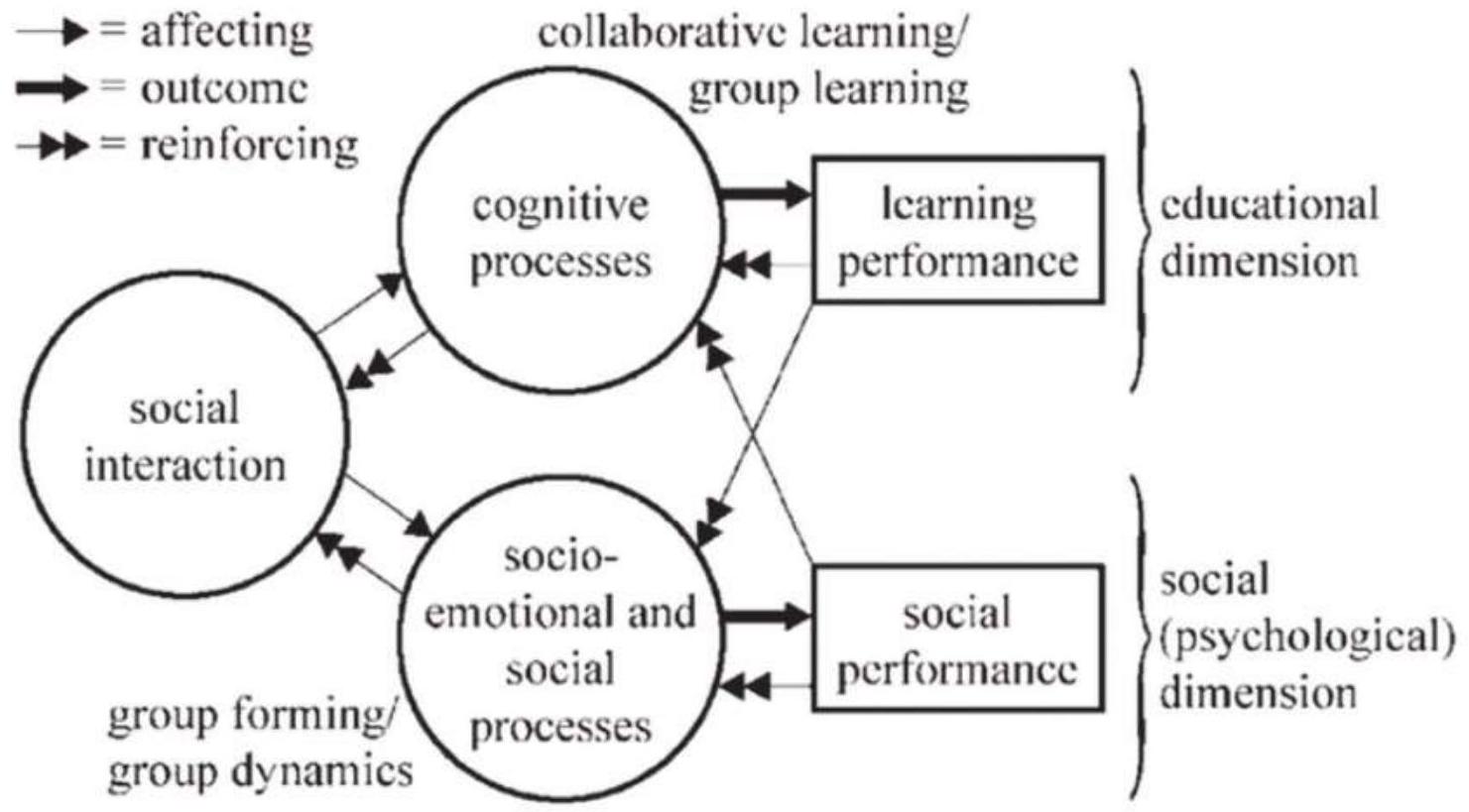
1.2 Social and Cognitive Factors in Music Ensembles
improving their musical comprehension and proficiency.
Emotional expression: pupils are able to express themselves via music, and pupils are able to do the same through collaborative learning. Students may learn more about one other’s personal experiences and the music they love via working together. In addition to fostering kids’ emotional growth, collaborative learning helps them strengthen their communication and emotional expression abilities. Improve collective awareness and foster a sense of cooperation among students via collaborative learning, which is essential for many musical performances. Collaborative practice teaches students to value other perspectives, appreciate the efforts of others, and develop strong cooperation skills.
Considerations for overcoming obstacles In order to overcome these obstacles, we might consider the following aspects.
Factor 1: Reasonable grouping and collocation
Teachers may logically organize students based to their interests, abilities, and learning styles in music in order to address the collaboration issues brought on by students’ unique personalities. To maximize learning and complementarity, make sure that every team includes kids from a variety of backgrounds and with a range of abilities. Simultaneously, educators have the power to inspire students to work together, expand the boundaries of collaboration, and foster intergroup communication and collaboration.
Factor 2: Effective time management
Teachers may alleviate the issue of time management by creating comprehensive lesson plans and timetables that fairly organize the work for each step. Teachers also have the opportunity to help kids develop learning strategies, such as creating a schedule that includes both solo and group work. Furthermore, educators have the ability to monitor pupils’ advancement in learning on a frequent basis, identify issues promptly, and provide direction.
Factor 3: Define the role of teachers
Collaborative learning requires instructors to establish their responsibilities. In addition to acting as organizers and guides, they also take part as spectators. When students work together to learn something new, teachers should step back and allow them to focus on what they do best. Concurrently, for collaborative learning to go well, instructors must timely provide students with the appropriate direction and support. Teachers should also be sensitive to their students’ emotional needs and push for more group work, mutual aid, and shared achievement.
Teachers need to create a positive collaborative environment to facilitate students’ easy development in collaborative learning. They may plan some team-building exercises to get the kids working together and trusting one another. Simultaneously, educators may inspire their students to showcase their musical creations, assess and critique one another, and ultimately support one another’s growth and development. Teachers should also encourage their students to regularly meet in small groups or share what they’ve learned in order to foster an environment where students are interested in and motivated to study. Finally, it’s possible that music education will provide certain obstacles to collaborative learning. However, these obstacles may be successfully overcome and collaborative learning can advance smoothly if we use suitable elements and approaches. We may maximize the benefits and duties of collaborative learning in music education by creating an environment that is conducive to it, using appropriate grouping and collocation strategies, managing our time wisely, and clearly defining our roles as teachers.
2. Related Work
That research looks at the correlation between conservatory music teachers’ aspirations for social outcomes and their level of satisfaction with SRE during the epidemic [18]. The research, which has its foundations in Social Cognitive Theory, investigates the potential mediating roles of technostress and desire to utilize ICT in that connection. Using an online self-report questionnaire, 108 instructors from Italian conservatories participated in a cross-sectional study. The findings point to technostress as the mechanism via which societal outcome expectations have a detrimental indirect influence on teacher satisfaction. Surprisingly, however, the immediate impact was both good and powerful. Technostress is a result of societal expectations, according to the research. On the other hand, they let music teachers rise to the challenge of online instruction and find more joy in the process.
That research compares the cognitive and motor abilities of healthy older adults who are beginners at the piano to those of a waitlisted control group that does nothing throughout the 10 -week program [19-21]. Fifteen people participated in the music facilitator-led piano instruction sessions (two experimental groups and two control groups with a maximum of four students per class). All participants had quantitative data taken before and after a battery of motor and cognitive tests as part of the explanatory sequential design. The waitlisted control group (
a substantial beneficial effect of training, suggesting better visuo-motor abilities, according to Bayesian modeling. There was no advantage to cognitive switching, and there was moderate evidence that training had detrimental consequences on part B of the Trail Making Test (in addition to difference score delta). Participants were encouraged to participate in musical groups and mingle by the group learning atmosphere, according to qualitative data.
The purpose of that literature review is to examine the current state of knowledge about the role of emotions in music education, specifically looking at topics such as: opportunities for students to feel and express emotions in the classroom, students’ positive emotional experiences in the classroom, strategies for teachers to help students develop positive emotional outcomes, and the positive effects of placing more of a focus on emotions in the classroom. Emotion recognition, regulation, identification, enhanced learning, and selfexpression are some of the areas that theoretical research has shown to benefit greatly from music instruction.
That article delves into the idea of opportunities in music education and explains how several kinds of affordances, such as cognitive, educational, mental, emotive, and social affordances, are used in the context of song instruction and student performance. The following are some of the affordances that have been identified in music education: (1) the ability to communicate through music allows students to go beyond the norms of social interaction; (2) historically informed musical procedures and customs show that music is connected to the transmission of aesthetic and sociocultural values; (3) making music together encourages students to be creative and develop their personal growth; (4) learning music exposes students to their own emotional capabilities and expressiveness; and (5) working together to create music fosters the development of relationships and the building of a community that values diversity, equity, and inclusion.
Highlighting the influence on cognitive capacities including memory, language, and mathematics, [22] investigates the function of music as an integral part of the educational curriculum. The study draws on theories like Multiple Intelligences including Social Development Theory to show how music may help with things like emotional control, language development, and problem-solving. Students’ mental health, social skills, and academic achievement are all positively impacted by music instruction, according to empirical research. That study examines the benefits of music-based learning approaches, recommends evaluation
models to quantify cognitive improvement ascribed to music education, and proposes practical solutions for merging music into core topics. In the end, it highlights how important it is for educational systems to prioritize music as a fundamental topic, highlighting how it may promote holistic cognitive development and the need of continuing to study throughout life.
That research uses a multi-modal strategy that incorporates neuroimaging methods and analytics powered by AI to examine the effects of music therapy on the cognitive as well as behavioral development of these adolescents [23]. Studying the effects of music therapy on the nervous system using tools like EEG and functional magnetic resonance imaging has led to a better knowledge of the brain processes that underlie improvements in behavior and cognition. The study’s overarching goal is to discover the neurological correlates linked to enhancements in social communication, memory, language processing, attention, and emotional control by comparing the patterns of brain activity before and after treatment sessions. In order to create intervention plans that are unique to each student’s requirements, neuroimaging data is supplemented with analytics powered by artificial intelligence. In order to personalize music-based therapy treatments, methods for machine learning are used to sift through massive information produced by behavioral and neuroimaging evaluations, find trends, and make predictions.
The purpose of that work is to highlight the benefits of cognitive-emotional music listening and the opportunities it presents in ear training courses [24]. In an effort to mold students’ worldviews and enhance their musical competencies, cognitiveemotional music listening targets listening to, comprehending, and appreciating classical music. An interdisciplinary and multimodal approach to a musical composition may accomplish that. In that course, students learn not only how to compose music but also how to analyze and assess it, as well as the theoretical and harmonic aspects of the piece, as well as the historical and musical background of its creation in a specific period and place. You can learn more about a musical piece and its details by listening to it or parts of it multiple times, taking note of it from various angles, and then talking about what you heard and how it made you feel. That practice can also help you discover and improve yourself, accept others, and embrace what makes them different.
Examining how music education affects students’ cognitive development, classroom engagement, and academic accomplishment is the goal of that research [25]. In particular, it investigates the relationship between students’ musical knowledge
and their academic achievement. Improvements in cognitive capacity, social and emotional well-being, the capacity to think critically, financial obstacles, and time restrictions are only some of the aspects investigated in the research. A total of 150 students participated in the study by filling out an online survey; the research strategy included testing hypotheses and analyzing data using SPSS to run tests like the T-test and Pearson correlation. The results show that compared to Group 2, students in Group 1, who had more music instruction, performed better academically and showed more competency in their studies. The study’s findings highlight the importance of music education in improving cognitive development via its favorable impact on students’ academic performance and its inclusion into the educational curriculum.
3. Methods and Materials
3.1 Research Questions
- RQ1. Through participating in classical music groups, how do you think young musicians have grown musically and personally?
- RQ2. How do young musicians deal with the difficulties they face?
- RQ3. In an ensemble setting, how can students make sense of the cultural, social, and musical influences exerted by their instructors?
- RQ4. In light of this knowledge, how might students approach the practical application of their choices about their cognitive, behavioral, and emotional learning?
- RQ5. How does this introspective journey impact their views of themselves as artists, creators, and leaders-in-the-making?
3.2 Research Findings
3.3 Research Design
Social support-parents, instructors, and peersaffects music performance anxiety, chain-mediated self-efficacy, and emotional intelligence, which affects educators, university authorities, and students. Understanding these ramifications may help musicians reduce performance anxiety. Some notable practical effects:
- Parents contribute to children’s confidence and emotional development. Fostering and appreciating a child’s efforts might boost selfefficacy. This help reduces performance anxiety by encouraging students to believe in their musical ability. Parents may model empathy, emotional regulation, and constructive emotional expression. Open talks about emotions, contemplation on music-related feelings, and understanding and support during performance-related stress may achieve this.
- Music teachers and professors directly affect students’ musical confidence and emotional intelligence. They may do this by creating a welcoming, helpful learning environment where errors are accepted. This strategy reduces performance anxiety by reducing the fear of negative feedback. Teachers may also teach performance skills and anxiety-reduction practices including mindfulness, breathing, and positive visualization. Emotional intelligence in the field of music, such as teaching students to understand and express their emotions via music, may also promote emotional control.
- Peer support amongst musicians, especially in ensembles, reduces performance anxiety. Encouragement and empathy from others reduce isolation and competition, which may lead to performance anxiety. Sharing experiences and coping methods with others helps normalize performance anxiety and provide practical answers. Promoting a collaborative and supportive atmosphere during group performances might reduce anxiety by focusing on collective achievement rather than individual failure.
- Music schools and departments may create performance anxiety support programs that include parents, instructors, and peers. These programs may include parent lectures on how to assist their child’s musical journey, teacher training on interpersonal skills and anxiety management, and student peer mentoring or support groups. Such programs may provide full assistance for musical skill development (selfefficacy) and emotional intelligence (in performance).
3.4 Participants
way that was both compassionate and nonexploitative, and by strictly adhering to the ethical values of justice, respect, beneficence, and informed consent. Students who have finished the first year of music practice for at least two semesters (or one academic year) were eligible to participate. The research had a total of ten participants. The gender ratio was about
The reporting and discussion of outcomes use pseudonyms for the students who participated. Students’ names will not be included here with their primary instrument because of the limited sample size and the potential for identifying issues. Keep in mind that the research did not include children whose enrollment was canceled during the school year. As a result, we will never know whether these students’ choices to stop were influenced by collaborative learning or not.
3.5 Data collection and analysis
resolve are all bolstered when students have a positive impression of themselves as musicians. While working in groups, students may be subject to comparisons and evaluations that shape their views of themselves and their musical abilities, which in turn affects how they approach and complete assignments. Perceived task persistence was positively and significantly predicted by collaborative study and music self-perception, according to multiple regression models.
Fifteen people participated in the music facilitatorled piano instruction sessions (two experimental groups and two control groups with a maximum of four students per class). All participants had quantitative data taken before and after a battery of motor and cognitive tests as part of the explanatory sequential design. The waitlisted control group (
3.6 Machine Learning Methods
Supervised learning methods like support vector machines (SVMs) may provide robust Hyper Plans for categorical data classification. Nonlinear or high-dimensional classification is the typical use of the SVM. There are a plethora of helpful kernels that may lower false positive rates and boost classification performance.
Classifiers known as Naive Bayes (NB) rely on the Bayesian theorem and a naïve assumption of
independence among the characteristics or predictors that are used. When it comes to bundles with kernel density estimation, NB classifiers provide better accuracy. In addition, they provide a great deal of leeway for classification problems involving linear or nonlinear relationships between features and predictors. Computing the cost is linear when compared to costly iterative classifier approximations.
4. Results and Analysis
4.1 Questionnaire Design
In Phase 1 of the semi-structured interview technique, we inquired about the participants’ expectations for their educational experiences and their views on the potential benefits they may get from their instructors. In the second stage, we looked at how students’ ideas, views, and memories of the learning relationship impacted their learning, independence, and self-assurance as improvising musicians. Although there was a pre-designed interview plan and protocol of questions to serve as a guide, we modified the questions to adopt a more conservatory approach in order to foster participants’ freedom of speech. Three overarching themes emerged from the three research topics, and they were all covered in the general interview methodology shown in Figure 1. Teachers’ abilities and aspects of their practice were considered by participants as factors that aided in their own selfdiscovery, creative growth, and ability to confidently improvise musically. In order to “convey the significance of the oral presentation in an interview,” interviews were audio recorded and transcribed word for word. This qualitative method articulated a “cognitive, meaning-disclosing component to what we experience” and placed an emphasis on the participant’s subjective reality.
SEM Analysis
The data was analyzed using the ANOVA program, with Structural Equation Modeling (SEM) serving as the primary statistical tool for this investigation. SEM is an effective statistical tool for examining complex relationships between variables that are both observable and underlying. Within the model,
it permits evaluation of both direct and indirect impacts. Parental support, instructor support, peer support, self-efficacy, emotional intelligence, and performance anxiety in music are just a few of the many factors that may be evaluated using structural equation modeling (SEM).
Because it records the anticipated relationships between latent variables (unobserved constructs) and, in some cases, between latent and seen variables, the structural model is a crucial part of structural equation modeling (SEM). A series of regression-like equations that reflect causal assumptions are the building blocks of this model, which is sometimes visually shown as a path diagram. These equations connect latent variables via directed pathways. The strength and direction of these interactions are measured by the paths’ coefficients.
The authors may see that logistic regression yields the best results in terms of test accuracy and F1score from table 1. The results of the SEM for both undergraduate and graduate students are shown in table 2. Among both undergraduate and graduate students, there is a favorable correlation between parental, instructor, and peer support and selfefficacy and emotional intelligence. Anxiety before performing music is strongly correlated with EQ and self-efficacy. Undergraduate and graduate students’ levels of anxiety about performing music are more mitigated when they have the support of their teachers, as opposed to when they rely on their parents or classmates. Students do not show as strong of an association between emotional intelligence and self-efficacy as do graduate pupils. To ensure the precision and reliability of our findings, ANOVA supplemented this process with advanced modeling capabilities, visual representation of the models, and rigorous statistical analysis. Table 4 shows the results of the fit test for the social-cognitive model of exercise behavior using latent variable structural equation modeling. To evaluate the model’s fit, we used R2 and the path coefficients. We checked that all of the variables were normally distributed before running the SEM. In order to apply SEM to data that does not follow a normal distribution and has a limited sample size. Through a sequence of ordinary least squares regressions, LR-SEM maximizes the percentage of the variance explained for one or more endogenous components specified in the SEM. This SEM approach is part of structural equation modeling (SEM). It is an iterative procedure that guesses the route coefficients in the structural model by first analyzing the measurement model blocks independently; this approach is known as a component-based estimation method. The difference between the observed and SEM-
predicted values for both sets of data was used to determine the raw data residuals. Multiplying the raw regression parameters acquired using SEM with the corresponding actual values of the predictor variables allowed us to determine the predicted values. If we take the back-transformation of the SEM parameters, S, and divide it by (1-S), we get the chances that each independent variable is true; adding these odds together for all independent variables gives us the odds that each profile of independent variables is true. If the chances were more than one, we said that the SEM predicted instances were true and that the others were false. Using an estimated probability cutoff of 0.5 for the outcome variables, logistic regression determined the percentage of properly categorized outcomes. A small random sample of 100 observations was collected from the simulated data set of 5,000 observations, and the classification performance of logistic regression and SEM were tested on a real data set containing different obstetric outcomes of interest. An integrated analysis of the measurement and structural model allows for the integration of the measurement errors of the observed variables into the model, and it combines factor analysis with hypothesis testing in a single procedure. The model’s indicators were all considered to be reflections of the corresponding constructs.
Model Fit Index
4.2 Performance Results
All of the attributes and samples must be used by the decision tree algorithm. Furthermore, the training depth grows in tandem with the tree, making overfitting a more likely outcome and lowering verification accuracy. Despite adjusting its hyperparameters from 1 to 20, logistic regression and random Forest still outperform it in terms of training accuracy. Nevertheless, random forest is a more sophisticated variant of decision tree that incorporates numerous decision trees. Each decision tree employs a subset of the sample’s
attributes, reducing the data and features in a decision tree and so reducing the likelihood of over-fitting. In addition to being just as effective as random forest in preventing overfitting by removing irrelevant characteristics from the model, logistic regression performs as well in terms of test accuracy. Logistic regression has a rapid training time and a computation cost that scales with the number of specializations. The superiority of logistic regression is evident. All of the attributes and samples must be used by the decision tree algorithm. Furthermore, the training depth grows in tandem with the tree, making overfitting a more likely outcome and lowering verification accuracy. Despite adjusting its hyperparameters from 1 to 20, logistic regression and random Forest still outperform it in terms of training accuracy.
Logistic regression, in conclusion, provides the strongest results when analyzing loan forecasts. Its minimal memory footprint-resulting from storing just the eigenvalues of any dimension and without scaling the input features-makes it well-suited to dichotomous classification tasks. Lastly, the model is easy to understand and work with as logistic regression is the simplest of the three. The weight of characteristics allows one to see how various aspects impact the end outcome. The outcomes were remarkable. In this analysis, a yes/no default payment was used as the dependent variable. Our next step was to compare the destination’s score to the results of our classification. The investigation was carried out on a local workstation using the Jupyter Kernel and Python. This research identifies eight main characteristics that explain… What follows is a more detailed description of these variables: (i) X1: Age (ii) X2: Course of Study (iii) X3: Current Occupation (or Total Years in the Field) (iv) X4: Numeric Equivalent of Address Demographic Area (v) The income is represented by X5, the debt is represented by X6, and the credit to debt ratio is X7. X8: Additional Debt.
The pre-processed data set was used to train our classifier, through the feature default as the goal. Confusion Matrix, Accuracy, F1-Score, Recall, Precision, ROC area, and Feature Importance are the seven metrics used for assessment. Since this is a classification method, and the predicted variable’s value is binary, we have used the confusion matrix with these evaluation metrics. Metrics for evaluation such as Accuracy, Precision, Recall, etc., greatly improve the likelihood of discovering and fixing the algorithmic problem. By doing so, we may enhance the results using the same assessment measures while progressively reducing the scope of change, leading to even better outcomes.
| Questions | Satisfactory Level | ||||
| How learning took place? | Above average | Average | Satisfactory | Poor | Very Poor |
| Make recommendations for enhancing these group efforts. | |||||
| Explain the role that self-reflection plays in your educational journey. | |||||
| To what extent did you find value in the teacherstudent dynamic? | |||||
| Give an example of how you modified or adopted a part of what you learned | |||||
| During the nine months of the curriculum, how did you approach things similarly or differently? | |||||
| What have you learned about this issue from your involvement with it? | |||||
| What learning took place? | Above average | Average | Satisfactory | Poor | Very Poor |
| In what ways did your confidence in your creative abilities grow as a result of your educational experiences? | |||||
| In your opinion, what was the most significant thing you brought to the group? | |||||
| What did you gain from working together? | |||||
| Tell me about your self-image and how you feel about your abilities as an improviser? | |||||
| Who the learning connection was made with | Above average | Average | Satisfactory | Poor | Very Poor |
| What was the impact of teacher discussion/dialogue on your learning process? | |||||
| What were the most useful aspects of this collaboration? | |||||
| What was the impact of the guest artists on your learning? | |||||
| How did peers contribute to your knowledge and sense of shared ideas? | |||||
| Construct | Variables | Range | Kurtosis | Skewness | Mean | S.D |
| Grade 4 | Parents | 4.67 | 1.89 | -1.46 | 5.28 | 1.19 |
| Music schools and departments | 4.67 | 2.14 | -1.52 | 5.30 | 0.93 | |
| Peer support among musicians | 5.00 | 1.14 | -1.06 | 5.44 | 1.07 | |
| Music professors and instructors | 4.67 | 2.47 | -1.15 | 5.31 | 0.92 | |
| Grade 5 | Parents | 5.25 | 1.28 | -1.40 | 4.90 | 1.40 |
| Music schools and departments | 4.50 | 2.00 | -1.42 | 5.25 | 1.06 | |
| Peer support among musicians | 4.25 | 1.47 | -1.34 | 5.63 | 1.01 | |
| Music professors and instructors | 5.75 | 1.97 | -1.24 | 5.30 | 1.10 | |
| Grade 6 | Parents | 5.25 | 1.28 | -1.40 | 4.90 | 1.40 |
| Music schools and departments | 4.50 | 2.00 | -1.42 | 5.25 | 1.06 | |
| Peer support among musicians | 5.00 | 1.14 | -1.06 | 5.44 | 1.07 | |
| Music professors and instructors | 4.25 | 1.47 | -1.34 | 5.63 | 1.01 |
| Model fit index | Acceptable levels | Obtained fit estimates | Interpretation |
|
|
< 0.05 | 4 | Better |
| TLI | > 0.8 | 0.94 | Excellent |
| P | < 0.05 | 0.02 | Excellent |
| RMSEA | < 0.08 | 0.070 | Excellent |
| CFI | > 0.90 | 0.99 | Better |
|
|
< 5 | 2.92 | Excellent |
|
|
< 0.05 | 11.715 | Better |
| method | Accuracy | F1-score |
| Decision tree |
|
0.879 |
| Random forest |
|
0.866 |
| Logistic regression | 87.42 | 0.912 |
4. Conclusions
learning processes in music education. This will help us satisfy the learning requirements of students and support their overall growth.
Students reaped benefits from collaborative learning because they learned from one another, which enhanced their performance and helped them develop new abilities; as a result, they rethought what it meant to be successful musically and personally. Collaboration is a powerful tool that has many applications, including but not limited to popular music degree programs. Machine Learning techniques has been widely studied and reported a number of works [26-40].
Author Statements:
- Ethical approval: The conducted research is not related to either human or animal use.
- Conflict of interest: The authors declare that they have no known competing financial interests or personal relationships that could have appeared to influence the work reported in this paper
- Acknowledgement: The authors declare that they have nobody or no-company to acknowledge.
- Author contributions: The authors declare that they have equal right on this paper.
- Funding information: The authors declare that there is no funding to be acknowledged.
- Data availability statement: The data that support the findings of this study are available on request from the corresponding author. The data are not publicly available due to privacy or ethical restrictions.
References
[2]Jamshidi, F., Bigonah, M., & Marghitu, D. (2024). Striking a Chord through a Mixed-Methods Study of Music-Based Learning to Leverage Music and Creativity to Bridge the Gender Gap in Computer Science. Proceedings of the 55th ACM Technical Symposium on Computer Science Education V. 2.
[3]Shirsat, A., Jha, R., & Verma, P. (2023). Music Therapy in the Treatment of Dementia: A Review Article. Cureus, 15(3):e36954. doi: 10.7759/cureus. 36954
[4]King, E., & Reschke-Hernández, A.E. (2021). A Remote Music-Based Service-Learning Project to Support Isolated Older Adults in Long-Term Care. Innovation in Aging, 5,738-738. DOI:10.1093/geroni/igab046.2724
[5]Kumar, T., Akhter, S., Yunus, M.M., & Shamsy, A. (2022). Use of Music and Songs as Pedagogical Tools in Teaching English as Foreign Language Contexts. Education Research International. 2022,3384067, https://doi.org/10.1155/2022/3384067
[6]Sun, K., & Haralambopoulos, A. (2023). A Review of the Impacts of Music and Implications for Music Medicine. Journal of Student Research. 12(4). https://doi.org/10.47611/jsrhs.v12i4.5629
[7]Li, H. (2023). Teaching Pedagogues: The Basic Problem of Music Education towards Talent Training. Transactions on Comparative Education. DOI: 10.23977/trance.2023.050701
[8]Ebbini, N. (2023). Music Education and the COVID19 Pandemic: Reflections of Teaching Music Theory Online. Dirasat: Human and Social Sciences. DOI:10.35516/hum.v50i4
[9]Archontopoulou, A., & Vaiouli, P. (2020). Music and Social Skills for Young Children with Autism: A Survey of Early Childhood Educators. International Journal of Educational Research Review, 5, 190-207. DOI:10.24331/ijere. 730328
[10]Song, J. (2023). Designing a Big idea-based MusicCentered Unit for Global Citizenship Education. Korean Journal of Teacher Education. https://doi.org/10.14333/KJTE.2023.39.6.15
[11]Toto, G.A., Ragni, B., & Limone, P. (2023). Use of Music and Openness in a Group of Teachers-inTraining Receiving a Musical Intervention. To Be or Not to Be a Great Educator. 551-571 https://doi.org/10.22364/atee.2022.37
[12]Bueno, J.L., & Moisés, A. (2023). The socio-musical brain: study of a music education experience. Education and New Developments 2023 – Volume 2. https://doi.org/10.36315/2023v2end048
[13]Yang, Y. (2022). Assessing alignment between curriculum standards and teachers’ instructional practices in China’s school music education. Research Studies in Music Education, 45, 56-76.
[14]Lee, L., Bhargavi, V.P., Lin, H., & Pavītola, L. (2022). Exploring Prosocial Performance and Gender Differences in Pre-school Children Through Music Activities. Frontiers in Education. 7-2022 https://doi.org/10.3389/feduc.2022.847833
[15]Morita, M., Nishikawa, Y., & Tokumasu, Y. (2024). Human musical capacity and products should have been induced by the hominin-specific combination of several biosocial features: A three-phase scheme on socio-ecological, cognitive, and cultural evolution. Evolutionary anthropology. 33(4):e22031. doi: 10.1002/evan. 22031
[16]Mawang, L. L. (2024). Collaborative learning and persistence in music education: Examining music self-perception as a mediator among adolescent students. International Journal of Music Education, 0(0). https://doi.org/10.1177/02557614241282088
[17]Ojala, A., Välisalo, T., & Myllykoski, M. (2024). Adults’ engagement in music learning during and after online coaching. Music Education Research, 26(4), 432-442. https://doi.org/10.1080/14613808.2024.2357375
[18]Toscano, F., Galanti, T., Giffi, V., Di Fiore, T., Cortini, M., & Fantinelli, S. (2024). The mediating role of technostress in the relationship between social outcome expectations and teacher satisfaction: evidence from the COVID-19 pandemic in music education. Research in Learning Technology. 32: 3086 http://dx.doi.org/10.25304/rlt.v32.3086
[19]Macritchie, J., Breaden, M., Milne, A.J., & Mcintyre, S. (2020). Cognitive, Motor and Social Factors of Music Instrument Training Programs for Older Adults’ Improved Wellbeing. Frontiers in Psychology, 10:2868. doi: 10.3389/fpsyg.2019.02868
[20]Rauduvaite, A., & Yao, Z. (2023). The role of emotions in music education: theoretical insights. society. integration. education. Proceedings of the International Scientific Conference.
[21]Cheng, L., Yip, J., & Yang He, S. (2024). Affordances in music education. Musicae Scientiae. https://doi.org/10.1177/10298649241298249
[22]Turyamureeba, S. (2024). Integrating Music Education into the Curriculum for Cognitive Developmen. Research invention journal of research in education. DOI:10.59298/RIJRE/2024/435054
[23]Shek, N., & Lee, E. (2024). Investigating the Impact of Music Therapy on Cognitive and Behavioral
[24]Vidulin, S., & Kazić, S. (2021). CognitiveEmotional Music Listening Paradigm in Professional Music Education. International Journal of Cognitive Research in Science, Engineering and Education, 131-145.
[25]Abhiraj Malhotra, Sujai Selvarajan, Udita Goyal, Amita Garg, Madhur Grover, Dr. Pompi das Sengupta, & Dr. Shoaib Mohammed. (2024). Exploring the Relationship between Music Learning and Student Educational Performance. Evolutionary studies in imaginative culture, 663672. https://doi.org/10.70082/esiculture.vi. 1135
[26]Vijayadeep GUMMADI, & Naga Malleswara Rao NALLAMOTHU. (2025). Optimizing 3D Brain Tumor Detection with Hybrid Mean Clustering and Ensemble Classifiers. International Journal of Computational and Experimental Science and Engineering, 11(1). https://doi.org/10.22399/ijcesen. 719
[27]K.S. Praveenkumar, & R. Gunasundari. (2025). Optimizing Type II Diabetes Prediction Through Hybrid Big Data Analytics and H-SMOTE Tree Methodology. International Journal of Computational and Experimental Science and Engineering, 11(1). https://doi.org/10.22399/ijcesen. 727
[28]S. Praseetha, & S. Sasipriya. (2024). Adaptive DualLayer Resource Allocation for Maximizing Spectral Efficiency in 5G Using Hybrid NOMARSMA Techniques. International Journal of Computational and Experimental Science and Engineering, 10(4). https://doi.org/10.22399/ijcesen. 665
[29]P. Padma, & G. Siva Nageswara Rao. (2024). CBDC-Net: Recurrent Bidirectional LSTM Neural Networks Based Cyberbullying Detection with Synonym-Level N-Gram and TSR-SCSOFeatures. International Journal of Computational and Experimental Science and Engineering, 10(4). https://doi.org/10.22399/ijcesen. 623
[30]SHARMA, M., & BENIWAL, S. (2024). Feature Extraction Using Hybrid Approach of VGG19 and GLCM For Optimized Brain Tumor Classification. International Journal of Computational and Experimental Science and Engineering, 10(4). https://doi.org/10.22399/ijcesen. 714
[31]ÖZNACAR, T., & ERGENE, N. (2024). A Machine Learning Approach to Early Detection and Malignancy Prediction in Breast Cancer. International Journal of Computational and Experimental Science and Engineering, 10(4). https://doi.org/10.22399/ijcesen. 516
[32]Nuthakki, praveena, & Pavankumar T. (2024). Comparative Assessment of Machine Learning Algorithms for Effective Diabetes Prediction and Care. International Journal of Computational and Experimental Science and Engineering, 10(4). https://doi.org/10.22399/ijcesen. 606
[33]Tirumanadham, N. S. K. M. K., S. Thaiyalnayaki, & V. Ganesan. (2025). Towards Smarter E-Learning:
[34]Rama Lakshmi BOYAPATI, & Radhika YALAVARTHI. (2024). RESNET-53 for Extraction of Alzheimer’s Features Using Enhanced Learning Models. International Journal of Computational and Experimental Science and Engineering, 10(4). https://doi.org/10.22399/ijcesen. 519
[35]Agnihotri, A., & Kohli, N. (2024). A novel lightweight deep learning model based on SqueezeNet architecture for viral lung disease classification in X-ray and CT images. International Journal of Computational and Experimental Science and Engineering, 10(4). https://doi.org/10.22399/ijcesen. 425
[36]Ponugoti Kalpana, L. Smitha, Dasari Madhavi, Shaik Abdul Nabi, G. Kalpana, & Kodati , S. (2024). A Smart Irrigation System Using the IoT and Advanced Machine Learning Model: A Systematic Literature Review. International Journal of Computational and Experimental Science and Engineering, 10(4). https://doi.org/10.22399/ijcesen. 526
[37]Prasada, P., & Prasad, D. S. (2024). BlockchainEnhanced Machine Learning for Robust Detection of APT Injection Attacks in the Cyber-Physical Systems. International Journal of Computational and Experimental Science and Engineering, 10(4). https://doi.org/10.22399/ijcesen. 539
[38]LAVUDIYA, N. S., & C.V.P.R Prasad. (2024). Enhancing Ophthalmological Diagnoses: An Adaptive Ensemble Learning Approach Using Fundus and OCT Imaging. International Journal of Computational and Experimental Science and Engineering, 10(4). https://doi.org/10.22399/ijcesen. 678
[39]BACAK, A., ŞENEL, M., & GÜNAY, O. (2023). Convolutional Neural Network (CNN) Prediction on Meningioma, Glioma with Tensorflow. International Journal of Computational and Experimental Science and Engineering, 9(2), 197204. Retrieved from https://ijcesen.com/index.php/ijcesen/article/view/2 10
[40]Polatoglu, A. (2024). Observation of the Long-Term Relationship Between Cosmic Rays and Solar Activity Parameters and Analysis of Cosmic Ray Data with Machine Learning. International Journal of Computational and Experimental Science and Engineering,