
تمكين رقمي للطلاب المهاجرين في المناطق الريفية في الصين: الهوية، والاستثمار، والمهارات الرقمية خارج الفصل الدراسي Digital empowerment for rural migrant students in China: Identity, investment, and digital literacies beyond the classroom

المجلة: ReCALL، المجلد: 37، العدد: 2
DOI: https://doi.org/10.1017/s0958344024000302
تاريخ النشر: 2025-01-06

تمكين رقمي للطلاب المهاجرين في المناطق الريفية في الصين: الهوية، والاستثمار، والمهارات الرقمية خارج الفصل الدراسي

غوانغشيانغ ليون ليو (د)الجامعة الصينية في هونغ كونغ، منطقة هونغ كونغ الإدارية الخاصة، الصين (G.Liu@link.cuhk.edu.hk)

الملخص

استنادًا إلى نموذج الاستثمار لدارفين ونورتون (2015)، يتناول هذا المقال كيف يتفاوض شينغ وجيمي (كلاهما أسماء مستعارة) كطالبين صينيين ذكور يتعلمون اللغة الإنجليزية كلغة أجنبية من خلفيات مهاجرة ريفية على هوياتهما ويجمعان مواردهما الاجتماعية والثقافية للاستثمار في المهارات الرقمية المستقلة لتعلم اللغة وتأكيد مكانة شرعية في الفضاءات الحضرية. باستخدام تصميم إثنوغرافي متصل، جمعت هذه الدراسة البيانات من خلال المقابلات، والمجلات الانعكاسية، والقطع الرقمية، والملاحظات في الحرم الجامعي. تم تحليل البيانات باستخدام نهج موضوعي استقرائي بالإضافة إلى طرق تحليل البيانات داخل الحالة وعبر الحالات. تشير النتائج إلى أن شينغ وجيمي عانيا من شعور عميق بالاغتراب والاستبعاد أثناء انتقالهما من الفضاءات الريفية ذات الموارد المحدودة إلى مجال النخبة الحضرية. خضعت علاقات القوة غير المتكافئة في الفصول الدراسية الحضرية لهما إلى هويات ريفية مهمشة وغير كافية من خلال حرمانهما من حق التحدث وسماع صوتهما. ومع ذلك، فإن الانخراط في المهارات الرقمية في العالم الحقيقي سمح لهذين المتعلمين المهاجرين بالوصول إلى مجموعة واسعة من الموارد اللغوية والثقافية والرمزية، مما مكنهما من إعادة تشكيل هوياتهما كمتحدثين شرعيين للغة الإنجليزية. إن اكتساب مثل هذه الشرعية مكنهما من تحدي الإيديولوجيات الاستبعادية السائدة بين الريف والحضر للمطالبة بحق التحدث. ينتهي هذا المقال بتقديم تداعيات لتمكين الطلاب المهاجرين من المناطق الريفية كأعضاء اجتماعيين كفوئين في نظام التعليم العالي الصيني في العصر الرقمي.

الكلمات الرئيسية: الطلاب المهاجرون من المناطق الريفية؛ الهوية؛ الاستثمار؛ المهارات الرقمية؛ التمكين الرقمي

1. المقدمة

مع عبور الناس من أعراق ولغات مختلفة الحدود بحثًا عن ظروف معيشية أفضل، كانت الهجرة الجماعية ظاهرة عالمية وجزءًا لا يتجزأ من تاريخ البشرية في عصر العولمة (دارفين ونورتون، 2016). بينما تحدث الهجرة العابرة للحدود بشكل متكرر في جميع أنحاء العالم، مثل اللاجئين من الشرق الأوسط الذين ينتقلون إلى السويد (برادلي والسباغ، 2022)، هناك أيضًا هجرة جماعية داخلية في بعض البلدان. في الصين، يتدفق كل عام مئات الملايين من العمال الريفيين إلى المدن الكبرى الشرقية (مثل شنغهاي) بحثًا عن وظائف وكسب لقمة العيش كعمالة رخيصة بسبب التحضر السريع. كما أفاد المكتب الوطني للإحصاء في الصين (2021) أن عدد المواطنين الريفيين يمثل (حوالي 510 مليون) من إجمالي عدد السكان البالغ 1.4 مليار. من بين حوالي 510 مليون شخص ريفي، هناك 170 مليونًا يشكلون سكانًا متجولين يتحولون إلى عمال مهاجرين ريفيين. مع تزايد عدد المهاجرين الريفيين الذين يجلبون عائلاتهم إلى المدن، فإن أطفالهم
يعانون من عدم المساواة الاجتماعية والتعليمية الناتجة والمعاد إنتاجها من قبل نظام الهوكو الريفي (أفريدي، لي ورين، 2015). كنظام فريد لتسجيل الأسر في الصين، يعمل الهوكو كنمط نظامي للسيطرة يصنف المواطنين الصينيين إلى سكان ريفيين وغير ريفيين، مما يحرم الناس في المناطق الريفية من “العديد من الحقوق والامتيازات التي يتمتع بها نظراؤهم الحضريون مثل الوصول إلى التعليم الجيد، والسكن والرعاية الصحية” (لي، 2013: 829). الغرض من هذا المقال هو لفت الانتباه إلى كيفية تفاوض الطلاب المهاجرين المحليين الصينيين الذين يحملون هوكو ريفي على مواردهم التعليمية والاجتماعية غير المتكافئة لتعلم اللغة الإنجليزية وتأكيد مكانة شرعية في سياق الجامعة الحضرية.
مع إدماج التكنولوجيا في التعليم الثانوي والعالي في الصين (وو، 2023؛ زانغ وليو، 2024)، يواجه الطلاب المهاجرون من المناطق الريفية الآن فجوة رقمية مقلقة بينهم وبين نظرائهم الحضريين تتضمن ليس فقط اختلاف الوصول إلى التقنيات الرقمية أو تصورات القدرات التكنولوجية ولكن أيضًا التأثيرات المتناقضة للممارسات الرقمية غير المتكافئة على اكتساب المعرفة خارج الإنترنت وتعلم اللغة (دارفين، 2018؛ ليو، 2023ب؛ راغنيدا، 2017). نظرًا لأن التكنولوجيا يمكن أن تحفز عدم المساواة التعليمية وتعمل في الوقت نفسه كـ “مصدر للتمكين وأداة لعدم المساواة على المستويات الفردية والاجتماعية” (أورتيغا، 2017: 300)، فإن هذه الدراسة مهتمة بشكل خاص بكيفية تفاوض متعلمي اللغة الإنجليزية كلغة أجنبية (EFL) الصينيين من خلفيات مهاجرة ريفية على هوياتهم وتجميع مواردهم المختلفة للاستثمار في المهارات الرقمية المستقلة لأغراض تعلم اللغة. كما تركز على التداعيات الحرجة للمهارات الرقمية التي نشرها الطلاب المهاجرون من المناطق الريفية في الصين من خلال تحليل كيفية تفاوضهم بشكل فاعل على السلطة للتنقل عبر الهياكل الإيديولوجية غير المتكافئة للمطالبة “بحق التحدث” عبر الزمن والمكان (نورتون، 2013: 179). السؤال البحثي الرئيسي الذي تهدف إلى معالجته هو كما يلي:
RQ: بأي طرق يستثمر متعلمو اللغة الإنجليزية كلغة أجنبية من خلفيات مهاجرة ريفية في المهارات الرقمية لتعلم اللغة والمطالبة بحق التحدث؟

2. مراجعة الأدبيات

2.1. تعريف المهارات الرقمية

في عالم رقمي حيث “تلاقت الخطابة والكتابة، مما أدى إلى انهيار حدود اللغة، والقراءة والكتابة، والتعددية الوسائط” (دارفين وهافنر، 2022: 867)، اكتسب مفهوم المهارات الرقمية زخمًا حيث يسعى إلى تفكيك كيفية تفاوض المتعلمين على القدرات والقيود التكنولوجية لتحقيق أغراض اجتماعية محددة (دارفين وهافنر، 2022؛ جونز، 2021؛ جونز وهافنر، 2021؛ ليو، 2022). يُفهم المهارات الرقمية على أنها “ممارسات التواصل، والتفاعل، والتفكير والارتباط بوسائط رقمية” (جونز وهافنر، 2021: 12)، فإن النظرة الاجتماعية الثقافية للمهارات الرقمية لا تركز على كفاءة المتعلمين في استخدام التقنيات الرقمية. بدلاً من ذلك، تركز على كيفية تجميع المتعلمين لمواردهم اللغوية والدلالية للمشاركة في الممارسة الاجتماعية، وأداء هويات متعددة، وبناء طرق جديدة للتواصل مع الآخرين في عالم تتوسطه التقنيات الرقمية.
نظرًا لأن المهارات الرقمية مرتبطة باستجواب السلطة، والإيديولوجيا، وقضايا عدم المساواة، فإن أحد الموضوعات المتكررة في فهم المهارات الرقمية هو ما يشكل أهمية الشخص القادر رقميًا. كشفت الدراسات التجريبية عن أهمية الوعي النقدي باللغة/ الوسائط الذي يمكّن المتعلمين من التعرف على كيفية أن السلطة المبرمجة في تصميم المنصات قد تتيح أو تقيد السلوكيات والتفاعلات الاجتماعية المختلفة (دارفين، 2023؛ دارفين وهافنر، 2022؛ جونز وهافنر، 2021؛ تاج وجنرال، 2021). على سبيل المثال، استند جونز (2021) إلى بيانات من مشروع مشارك لمدة عامين وفحص كيف تم ترميز الأشكال اللغوية وغير اللغوية في التصميم الخوارزمي عبر الإنترنت للتلاعب بكيفية تفاعل طلاب الجامعات في هونغ كونغ والولايات المتحدة في التواصل عبر الإنترنت وممارسات الاستنتاج. اقترحت هذه الدراسة أنه بينما تبدو النصوص/ التقنيات الرقمية محايدة و
غير متحيزة، فإن الإيديولوجيات الخفية المضمنة في الخوارزميات أو التصميم الاجتماعي التقني يمكن أن تشكل كيفية تقديم المعلومات وإنتاج المعرفة عبر الإنترنت. من الجدير بالذكر أن الاعتراف بأن التكنولوجيا تقدم فرصًا للتغيير الاجتماعي والتواصل العادل، هناك أيضًا مجموعة متزايدة من الأدبيات التي تفحص كيف يمكن إعادة تصميم النصوص، من خلال قدرات الأدوات الرقمية، واستهلاكها لخدمة مصالح جميع المتعلمين من خلال تقويض الإيديولوجيات الاستبعادية والتفاوض على علاقات القوة غير المتكافئة (أفيلا وبانديا، 2013؛ غارسيا، فيرنانديز وأوكونو، 2020). تؤكد هذه الدراسات أيضًا على أن كيفية إدخال المتعلمين إلى مساحات رقمية مختلفة للمشاركة في ممارسات رقمية متنوعة أمر حاسم (غارسيا وآخرون، 2020؛ ليو، 2023أ).
تدمج الدراسة الحالية الرؤية الاجتماعية والثقافية والنقدية للمهارات الرقمية من خلال تعريفها بأنها مجموعة واسعة من الممارسات الاجتماعية التي تتوسطها التكنولوجيا والتي ينفذها متعلمو اللغة من خلال التفاوض وتجميع مواردهم اللغوية والدلالية والتقنية في عالم مليء بالسلطة. وتبرز أن المهارات الرقمية لا تتعلق فقط بالقراءة والكتابة المرتبطة بالوسائط الرقمية، بل تركز أيضًا على كيفية جلب هذه الممارسات للمتعلمين إلى طرق جديدة للقيام بالأشياء، والمعنى، والوجود، والتفكير، والعلاقات. من أجل الازدهار في الفضاءات الرقمية كأشخاص متعلمين، يحتاج المتعلمون إلى أن يدركوا ليس فقط الهيكل الاجتماعي والتقني للمنصات عبر الإنترنت (دارفين، 2023) ولكن أيضًا تطوير موقف نقدي يمكّنهم من استجواب وتحدي ومقاومة كيفية تصميم واستخدام الأدوات الرقمية لاكتساب المعرفة والسعي نحو مستقبل اجتماعي عادل (أفيلا وبانديا، 2013؛ غارسيا وآخرون، 2020؛ ليو ودارفين، 2024).

2.2. المهارات الرقمية لمتعلمي اللغات المهاجرين

إن الاعتراف بكيفية أن الكفاءة في التعامل مع الأدوات الرقمية والتنقل في الفضاءات الإلكترونية أصبحت ضرورية للمهاجرين للمشاركة الكاملة في المجتمع، قد أظهر البحث في المهارات الرقمية لمتعلمي اللغة من المهاجرين أن المهارات الرقمية يمكن أن تكون جسرًا حيويًا لاندماجهم الناجح في البلد المضيف من خلال مساعدتهم في مواجهة تحديات التكيف مع ثقافة جديدة، ولغة جديدة، وطريقة حياة جديدة (برادلي والسباغ، 2022؛ دارفين، 2018؛ ليو، لي وزانغ، 2022؛ مكلاين، 2010). وقد وجدت الدراسات أنه بينما يمكن تطوير المهارات الرقمية كممارسات اجتماعية من خلال أنشطة صفية منظمة مثل سرد القصص الرقمية (كيندريك، إيرلي، ميكالوفيتش ومانغات، 2022)، يمكن أيضًا تعزيزها من خلال الممارسات الرقمية المستقلة خارج الفصل الدراسي أو في “البرية الرقمية” (ساورو وزورou، 2019).
تشير “البراري الرقمية” إلى السياقات غير التعليمية والطبيعية على الإنترنت حيث يمكن للمتعلمين ممارسة وكالتهم واستقلاليتهم للمشاركة في ممارسات القراءة والكتابة والتواصل المدفوعة بالاهتمام والموجهة ذاتيًا مع أشخاص من خلفيات لغوية وثقافية متنوعة (ساورو وزوروا، 2019). وقد كشفت مجموعة متزايدة من الأدبيات أن إشراك المتعلمين من خلفيات مهاجرة في البراري الرقمية يمكّنهم من توسيع مجموعات هويتهم (ليو ودارفين، 2024)، وزيادة كفاءتهم وثقتهم في اللغة المستهدفة (هان ورينهاردت، 2022)، واكتساب المعرفة باللغة والثقافة المستهدفتين (ليو، 2023ب؛ ليو، ما، باو وليو، 2023؛ مكلاين، 2010). على سبيل المثال، تتبعت دراسة الحالة التي أجراها مكلاين (2010) المهارات الرقمية لمراهق مهاجر من الكاريبي في الولايات المتحدة. وأشارت النتائج إلى أن المشاركة النشطة للمراهق في البراري الرقمية من خلال القراءة والكتابة على مواقع التواصل الاجتماعي المختلفة لم تسهم فقط في تحسين كفاءته في اللغة الإنجليزية، بل مكنته أيضًا من بناء هويات شرعية عبر “المنازل الأصلية والمتبناة” (مكلاين، 2010: 14). وجه برادلي والسباغ (2022) الانتباه إلى المهاجرين الجدد من الشرق الأوسط في السويد وكيف استخدموا الهواتف المحمولة للمشاركة في المهارات الرقمية لأغراض تعلم اللغة. أظهرت الدراسة أن المشاركين فشلوا في حضور ممارسات التعلم الرقمي الموجه ذاتيًا باستخدام التكنولوجيا المحمولة، ويرجع ذلك إلى حد كبير إلى الانفصال بين احتياجاتهم التعليمية والتصميم المحدود لتطبيقات التعلم المحمول. ومع ذلك، أبرز برادلي والسباغ (2022) أن الانخراط في مهارات رقمية معينة (مثل الألعاب الرقمية الأكثر ذكاءً وتفردًا) يحمل القدرة على تعزيز دافع الطلاب المهاجرين وأدائهم في تعلم اللغة المستهدفة. تشير هذه الدراسات إلى أن إشراك المتعلمين من خلفيات مهاجرة في البراري الرقمية
قد تكون المهارات اللغوية في الحياة اليومية نهجًا فعالًا لدعم تعلمهم للغة وتطوير هويتهم في المجتمع المستضيف.
يُسلط القسم التالي الضوء على الفجوة بين الريف والحضر في الصين والواقع الفريد الذي يعيشه طلاب المهاجرين الريفيين في الدراسة الحالية.

2.3. تعلم اللغة الإنجليزية والفجوة بين الريف والحضر في الصين

مع الكشف عن التاريخ الجيوسياسي للإقصاء وفقدان الحقوق من منظور الجنوب العالمي في اللغويات التطبيقية (بينيكوك وماكوني، 2019)، بدأت الأبحاث الحديثة في دراسة قضايا عدم المساواة في تعليم اللغة الثانية (L2) داخل الدول القومية. في سياق تعليم اللغة الإنجليزية كلغة أجنبية في الصين، تم توجيه الانتباه إلى كيفية تفاوض متعلمي اللغة الإنجليزية في الجامعات من المناطق الريفية في الصين حول الفروق بين الريف والحضر للمشاركة في تعلم اللغة الإنجليزية/المعرفة اللغوية بطرق غير متكافئة (لي، 2013؛ ليو، 2023ب؛ ليو ودارفين، 2024؛ وو وتارك، 2024). على سبيل المثال، من خلال تطبيق مفاهيم بورديو عن رأس المال، والعادات، والمجال، بحث وو وتارك (2024) في كيفية تسبب نقص رأس المال الشرعي (مثل التجارب والكفاءات بين الثقافات) في سياق الجامعات الحضرية في شعور المتعلمين من المناطق الريفية بعدم الكفاءة وسوء التكيف مع فصول اللغة الإنجليزية في الجامعات. كما أكدوا على أن العادات المتشكلة بفعل الطبقة الناتجة عن ظروف حياة الطلاب الريفيين السابقة غالبًا ما تؤدي إلى ميلهم الضيق والمركّز على الاختبارات تجاه تعلم اللغة في المجال المؤسسي الحضري. مع التركيز على المهارات الرقمية لطالبين جامعيين من خلفيات طبقية ريفية منخفضة، استند ليو (2023ب) إلى نظرية بورديو في الممارسة ووسع هذا النقاش. وجدت دراسته أنه بينما يمكن أن تشكل العادات استخدام الطلاب الريفيين من الطبقة الدنيا للتكنولوجيا وتوجههم نحو ممارسات رقمية ترفيهية (مثل الألعاب عبر الإنترنت أو تصفح تيك توك)، إلا أنها لا تلعب دورًا حتميًا. يمكن للمتعلمين من المناطق الريفية الذين يدركون الفرص التكنولوجية أن يطوروا ممارسات رقمية إبداعية بشكل فاعل ويجمعوا رأس المال الشرعي عبر الإنترنت لتأكيد مكانتهم الشرعية في السياق الحضري.
في البحث الحالي، يختلف الطلاب الجامعيون من الريف الصيني المذكور أعلاه، حيث تعيش المجموعة المستهدفة – الطلاب المهاجرون من الريف – في واقع أكثر تعقيدًا بسبب تاريخ هجرتهم عبر المناطق مع عائلاتهم وتلقيهم التعليم الابتدائي أو الثانوي في كل من المناطق الريفية والحضرية. قد تؤدي هذه المسارات التعليمية المعقدة إلى افتراضهم لهوية “المهاجر الريفي” بشكل أكثر وضوحًا والوضع الهامشي والدوني في المجال الحضري من خلال تعزيز شعورهم بالفروق بين الحضر والريف قبل دخولهم الجامعة (لي، 2013).

3. الإطار النظري

تبني هذه المقالة على نظرية الاستثمار (دارفين ونورتون، 2015؛ نورتون، 2013؛ نورتون بيرس، 1995) لفحص العلاقة بين اللغة، والقراءة والكتابة، والسلطة بشكل نقدي. غالبًا ما يُفهم الاستثمار كمكمل سوسيولوجي للتحفيز، حيث يعترف بأن متعلمي اللغة الثانية قد يكونون متحفزين للغاية، لكن قد لا يتمكنون من الاستثمار في تعلم اللغة المستهدفة إذا كانت علاقات السلطة داخل مجتمعاتهم اللغوية/سياقات التعلم تحد من حقهم في التحدث (نورتون بيرس، 1995).
استجابةً للنظام العالمي الجديد الذي أحدثته العولمة، والهجرة الجماعية، والحركة المتسارعة، يربط دارفين ونورتون (2015) الاستثمار بتقاطع الهوية، ورأس المال، والأيديولوجيا (الشكل 1). مستلهمين من وجهة نظر ما بعد الهيكلية التي تلغي الثنائيات التقليدية المرتبطة بالهويات (مثل: جيد/سيء، متحفز/غير متحفز)، يرون الهوية كشيء متعدد، وسلس، ومكان للصراع. تتعلق الهوية بكيفية فهم المتعلمين لعلاقاتهم الاجتماعية المُشكلة مع العالم، وكيف تتغير هذه العلاقات عبر الزمن والمكان بطريقة تشكل رغبتهم في المستقبل (نورتون، 2013). رأس المال، استنادًا إلى مفهوم بورديو العمل السوسيولوجي، يشير إلى القوة بأشكالها المختلفة. يمكن لمتعلمي اللغة التفاوض بشأن رأس المال الاقتصادي والثقافي والاجتماعي الخاص بهم، مما يوضح أسئلة “ماذا لديهم”، “ماذا يعرفون”، و”من يعرفون”، على التوالي. عندما يتم الاعتراف بهذه الأشكال المختلفة من رأس المال كشرعية من قبل أصحاب السلطة، يمكن تحويلها إلى رأس مال رمزي (بوردييو، 1991).
مبني لأنه يركز على توسيع فهم التجارب الشخصية والمخصصة، بدلاً من السعي لتوليد نتائج قابلة للتعميم تنطبق على مجموعات سكانية أكبر (دافين، 2018). تستند هذه الدراسة أيضًا إلى الإثنوغرافيا المتصلة التي تدمج الثنائيات بين الإنترنت/الافتراضي وoffline/الفيزيائي في دراسات الثقافة الجديدة (لياندر، 2008). يبرز أنه بينما يتحرك متعلمونا بسلاسة ومرونة من وإلى مساحات اجتماعية مختلفة تشكلها التقنيات الرقمية الشاملة، فإنهم في الواقع يشغلون هذه المساحات في الوقت نفسه أو يتنقلون بين العوالم عبر الإنترنت وخارجها ككل بدلاً من مجالات منفصلة (دافين، 2023).

4.2. شينغ وجيمي

كان شينغ وجيمي (كلاهما أسماء مستعارة) طلاب مهاجرين ريفيين من جامعة ز في مدينة ز، وهي مدينة متطورة للغاية في وسط الصين. كواحدة من الجامعات ذات السمعة الجيدة في الصين، يأتي أكثر من من الطلاب المسجلين في جامعة ز من خلفيات طبقية متوسطة حضرية. كان شينغ طالبًا في السنة الثالثة مسجلًا في برنامج ترجمة اللغة الإنجليزية، بينما كان جيمي طالبًا في السنة الرابعة متخصصًا في هندسة الاتصالات. لقد كانا صديقين لأكثر من عامين بسبب الاهتمامات المشتركة والمشاركة النشطة في جمعية اللغة الإنجليزية الجامعية التي تضم أنشطة ناطقة باللغة الإنجليزية أسبوعيًا مفتوحة لجميع الطلاب المسجلين. تعرفت على شينغ وجيمي في إحدى أنشطة ركن اللغة الإنجليزية الأسبوعية في عام 2021. في ذلك الوقت، قدمني منظمو جمعية اللغة الإنجليزية للطالبين. من خلال عدة جولات من التبادلات غير الرسمية عبر الإنترنت مع شينغ وجيمي، تعلمت كيف واجها صراعات الهوية كطلاب مهاجرين ريفيين في الفضاء الحضري وكيف رأوا استخدام التكنولوجيا كوسيلة لاكتساب المعرفة والسلطة خارج الفصل الدراسي. إدراكًا لهذه الفجوة البحثية، دعوت شينغ وجيمي للمشاركة في التحقيق الحالي بموافقة مستنيرة.

4.3. جمع البيانات

تشمل طرق جمع البيانات المستخدمة في هذه الدراسة المقابلات شبه المنظمة، والقطع الرقمية، والمجلات الانعكاسية، والملاحظة في الحرم الجامعي. تم إنشاء بروتوكول المقابلة بناءً على دراسات إثنوغرافية سابقة حول المهارات الرقمية لمتعلمي اللغة من خلفيات اجتماعية متنوعة (دافين، 2018؛ ليو، 2023ب). تم إجراء المقابلات في ثلاث جلسات باستخدام اللغة الماندرين. في المقابلات، تم تشجيع شينغ وجيمي على تقديم تفاصيل حول خلفيات أسرهم، ومساراتهم التعليمية الفردية وتعلم اللغة الإنجليزية، وتأملاتهم حول الهوية الريفية، وممارساتهم الرقمية اليومية. من الجدير بالذكر أن الجلسة الثانية من المقابلة تركز على ممارساتهم المحددة في التواصل والمهارات اللغوية عبر الإنترنت بناءً على القطع الرقمية، مثل لقطات الشاشة للتطبيقات والمواقع التي يزورونها غالبًا، ومقاطع الفيديو عبر الإنترنت التي قاموا بتأليفها.
لتثليث مصادر البيانات، طُلب من شينغ وجيمي تقديم ثلاث مجلات انعكاسية على التوالي، في شكل سرد ذاتي، لتفصيل تجاربهم في تعلم اللغة الإنجليزية وتغيرات الهوية عبر الزمن والمكان. تتضمن المجلات الانعكاسية أيضًا تأملاتهم النقدية حول مدى أهمية القدرة على اكتساب المعرفة عبر الإنترنت في تفاوضهم على السلطة. بين أبريل 2022 ومايو 2022، أتيحت لي الفرصة لدخول حرم جامعة ز وأجريت ملاحظة لمدة يومين في الحرم الجامعي مع شينغ وجيمي. مكنتني هذه التجربة من الحصول على فهم دقيق لكيفية تعلم شينغ وجيمي اللغة الإنجليزية واستخدام التقنيات الرقمية في الإعدادات الحياتية الواقعية (مثل الفصول الدراسية، والسكن، وجمعية الطلاب) من خلال ملاحظة ممارساتهم الرقمية والتواصل مع أصدقائهم، وزملائهم في السكن، ومعلميهم.

4.4. تحليل البيانات

باستخدام نهج تحليل موضوعي استقرائي (براون وكلارك، 2021)، وطرق تحليل الحالة الواحدة والحالات المتقاطعة (دافين، 2018)، قمت بتفسير البيانات في خمس خطوات. أولاً، بدأت بتفريغ المقابلات وزيادة معرفتي بالبيانات الخام من خلال قراءة النصوص
عدة مرات. ثانيًا، تم ترميز جميع البيانات النصية، بما في ذلك المقابلات، وملاحظات الملاحظة الميدانية، والمجلات الانعكاسية، بشكل استقرائي لرسم رموز أولية ووصفاتها المقابلة باستخدام NVivo 12. ثالثًا، تمت مقارنة الرموز باستمرار لتحديد روابطها وصياغة الفئات أو الموضوعات الأكبر (مثل التفاوض على رأس المال في البرية الرقمية). خلال هذه العملية، تم توضيح القطع الرقمية وربطها بالموضوعات الناشئة كأمثلة تكميلية. ثم تم إعادة فحص الموضوعات لتحديد أنماط أكثر استقرارًا ساعدت في معالجة سؤال البحث. في الخطوة الرابعة، استنادًا إلى الرموز الموضوعية التي تم إنشاؤها، كتبت تقريرين عن الحالة يوضحان ممارسات شينغ وجيمي اللغوية وتحولات الهوية عندما ينتقلان بين المساحات عبر الإنترنت وخارجها. ثم تم إجراء تحليل عبر الحالات من خلال مقارنة سردي الحالتين لاستنباط مناقشة موضوعية عميقة. أخيرًا، تم مشاركة التقريرين مع شينغ وجيمي للتحقق من صحة الأعضاء لتحسين مصداقية ودقة تفسيري.

5. النتائج

5.1. حالة شينغ

يأتي شينغ من بلدة ريفية تقليديًا مهمشة وأقل تطورًا في مقاطعة خنان، وهي مكان نموذجي لمصدر العمالة المهاجرة الريفية في مدن الصين الكبرى. في عام 2010، انتقل والدا شينغ إلى مدينة ز (على بعد 350 كم من مسقط رأسهم). كعمال ريفيين ذوي مهارات منخفضة، كانوا يعملون في مركز إعادة تدوير النفايات في الضواحي، يكسبون لقمة العيش من خلال إعادة تدوير السلع غير المرغوب فيها مثل الملابس، والزجاجات، وصناديق الكرتون. بعد أن تم إحضاره إلى المدينة في عام 2012 للانضمام إلى والديه، تلقى شينغ تعليمه في المدرسة المتوسطة والثانوية في مدينة ز، لكنه عاد إلى خنان للالتحاق بالاختبار الوطني للقبول في الجامعات (غاوكاو) بسبب قيود هوية الريف الخاصة به.

5.1.1. الهجرة من الريف إلى الحضر والوضع المهمش الأولي في الفضاءات الحضرية

بعد الانتقال إلى المدينة في سن 13، طور شينغ شعورًا قويًا بالاغتراب وإحساسًا بالغربة. وأبرز صراعاته العاطفية عندما بدأ للتو تعليمه الثانوي كطالب مهاجر ريفي في المدينة:
في البداية، كنت متحمسًا. لكن بعد ذلك، كان الأمر كأنني دخلت عالمًا جديدًا تمامًا حديثًا ومزدحمًا، ولم أكن أعرف أي شخص باستثناء والدي. شعرت كأنني سمكة خارج الماء، clueless عن حياة المدينة وكيفية التصرف بشكل حضري. (المقابلة الأولى)
أدت الهجرة من الفضاءات الريفية إلى الحضرية إلى شعور شينغ بالضياع، بالإضافة إلى الفجوة الثقافية بينه وبين البيئة الحضرية، والتي تذكرنا بتأكيد بورديو (1984) على كيفية “إزاحة العادات”، عدم التوافق بين العادات الأصلية للأفراد ومجال جديد، يشكل شعور المرء بالاغتراب عبر الفضاء. نشأت إزاحة العادات في حالة شينغ من عدم التوافق بين عاداتهم الريفية والبيئة الحضرية بالإضافة إلى الوصول المحدود لطلاب المهاجرين الريفيين إلى رأس المال الشرعي (مثل المعرفة حول أنماط الحياة الحضرية) في المكان الحضري. من الجدير بالذكر أنه على الرغم من أن شينغ عاش ودرس في المدينة لسنوات منذ المدرسة الثانوية، إلا أن شعوره بالاغتراب وسوء التكيف مع المكان الحضري قد زاد وتفاقم بعد دخوله البيئة النخبوية لجامعة ز. بكلماته،
في تخصصي، كنت واحدًا من القلة الذين جاءوا من خلفية ريفية. كان لدى الكثير من زملائي في الصف تجارب في الخارج أو مغامرات ثقافية رائعة قبل الجامعة، بينما لم يكن لدي كل تلك التجارب الفاخرة … بالإضافة إلى ذلك، لم يكن المعلمون يولون الكثير من الاهتمام للطلاب مثلي في الفصل لأنهم اعتقدوا أن الطلاب الريفيين سيئون في اللغة الإنجليزية، على الرغم من أن مهاراتي في التواصل باللغة الإنجليزية كانت بالفعل دون المستوى. لذلك، لم أكن لأحرج نفسي بالتحدث باللغة الإنجليزية أمام الجميع. (المقابلة الأولى)
تُشير مقتطفات المقابلة إلى كيف أن شعور شينغ القوي بالنقص الناجم عن كونه جزءًا من أقلية الطلاب الريفيين أدى إلى صمته في فصل اللغة الإنجليزية وعجزه عن الاستثمار في ممارسات تعلم اللغة الإنجليزية في الفصل. على الرغم من أنه تخصص في ترجمة اللغة الإنجليزية، إلا أنه لم يكن يمتلك إتقانًا جيدًا في التحدث والاستماع باللغة الإنجليزية كعاصمة مشروعة في الفصل الحضري. علاوة على ذلك، بينما يبدو أنه متحفز، فإن المعتقدات الإيديولوجية في الفصل (مثل التحيز المسبق تجاه كفاءة الطلاب الريفيين في اللغة الإنجليزية) حرمتهم من حق التحدث، مما جعله يعتقد أنه من المحرج التحدث باللغة الإنجليزية في الفصل. وبالتالي، تم وضع شينغ من قبل الآخرين وأيضًا وضع نفسه كمتعلم غير كفء للغة الإنجليزية طوال دراسته في السنة الأولى.

5.1.2. الاستثمار في المهارات الرقمية في البرية

على الرغم من العقبات في فصل اللغة الإنجليزية، قام شينغ بتحريك رأسه بشكل فعّال لاستغلال رأس المال الاجتماعي والثقافي المحدود لديه لإحداث تغيير. على سبيل المثال، تلقى دعمًا كبيرًا من عائلته من خلال البحث عن الراحة العاطفية والتعبير عن المشاعر السلبية. للتغلب على خوفه من التحدث باللغة الإنجليزية، طلب نصيحة من زملائه الطلاب الأكبر سنًا الذين يمكنهم التحدث باللغة الإنجليزية بثقة. كما شارك شينغ في المقابلة،
تلقيت العديد من الاقتراحات القيمة لتعلم اللغة الإنجليزية من طالب أكبر مني سناً، وهو أيضاً من مقاطعة هنان ويقود مجتمعنا الجامعي للغة الإنجليزية. كان يعاني سابقاً من صعوبة في تحدث الإنجليزية، لكنه من خلال الدراسة الذاتية عبر الإنترنت، أصبح واثقاً جداً الآن. بمساعدته، بدأت تدريجياً أدرك مدى أهمية تعلم الإنجليزية عبر الإنترنت وأشعر أن التحدث باللغة الإنجليزية لم يكن شيئاً مخيفاً للغاية.
يمكن للمرء أن يرى في هذا المقتطف كيف تمكن شينغ من التفاوض على رأس ماله الاجتماعي المحدود لتحسين مهاراته في التحدث باللغة الإنجليزية في بيئة النخبة الحضرية من خلال طلب المساعدة من الآخرين القادرين الذين يشتركون في نفس الجذور الاجتماعية والجغرافية (أي من نفس المقاطعة) والذين يمكنهم التحدث باللغة الإنجليزية بشكل صحيح. من خلال القيام بذلك، تمكن شينغ تدريجياً من التعرف على أن التقنيات الرقمية يمكن استخدامها ليس فقط لأغراض ترفيهية (مثل الألعاب عبر الإنترنت) ولكن أيضًا للوصول إلى الفرص للتعلم الفعال والإبداعي للغة الإنجليزية. وبالتالي، قام بتنزيل العديد من تطبيقات تعلم اللغة أو التطبيقات ذات الصلة التي يمكن الوصول إليها مجانًا (مثل باي سي زهان، كيكنت، وصحيفة الصين اليومية وكرس أكثر من 50 ساعة في الأسبوع لتعلم اللغة الإنجليزية في هذه الفضاءات الرقمية، مما وضع الأساس لمحاولاته اللاحقة لتعلم اللغة الإنجليزية بشكل منتج في البرية الرقمية.
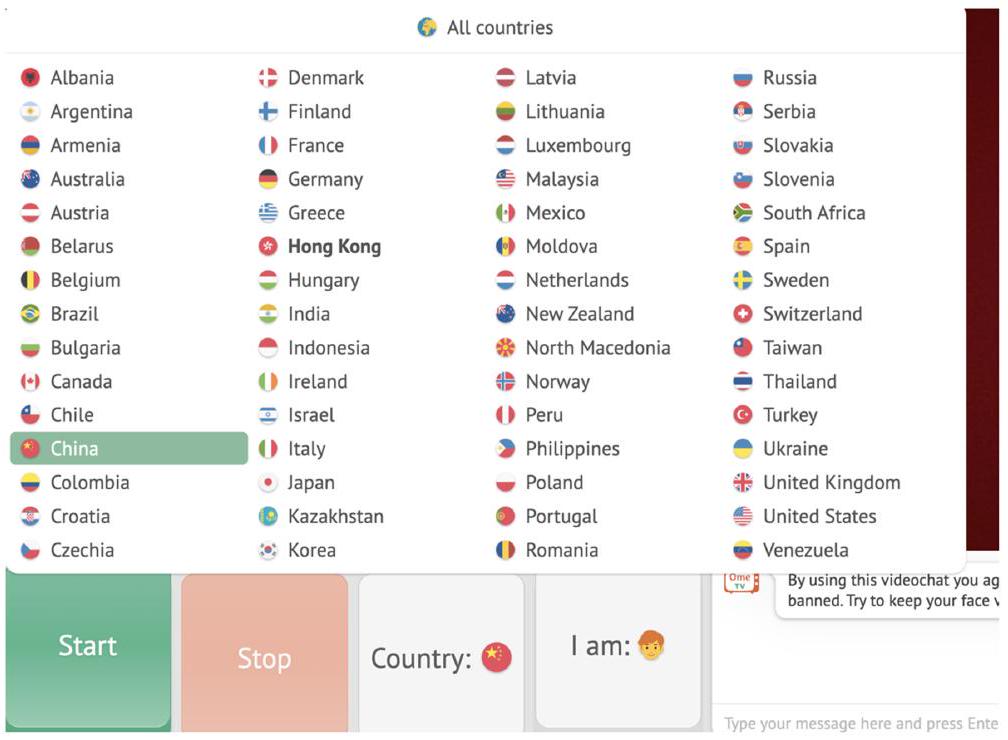
استخدام شبكة خاصة افتراضية (VPN)، كان بإمكان شينغ التفاوض على موارد تعلم اللغة الإنجليزية الأكثر أصالة من خلال التفاعل مع العالم الرقمي العابر للثقافات حيث تُستخدم الإنجليزية كلغة مشتركة. أثناء تنقله عبر مساحات متعددة على الإنترنت مثل يوتيوب وفيسبوك وغيرها من منصات التواصل الاجتماعي، لم يكتسب شينغ المعرفة حول اللغة والثقافة الإنجليزية فحسب، بل استفاد أيضًا من مجموعة واسعة من خيارات الهوية. على سبيل المثال، تمكن من التفاوض على هويته كمتواصل بين الثقافات بكفاءة من خلال التسجيل في وكان يقوم بمحادثات فيديو عشوائية مع متحدثين باللغة الإنجليزية من جميع أنحاء العالم (انظر الشكل 2). على يوتيوب، كان شينغ مهتمًا بشكل خاص بمشاهدة مقاطع الفيديو الموسيقية الإنجليزية مثل تلك الخاصة بفرقة رولينغ ستونز بسبب تأثير معلمي اللغة الإنجليزية في المدرسة الثانوية الذين كانوا غالبًا ما يشغلون موسيقى الروك القديمة. ‘ لف شرائط الموسيقى في الصف. من خلال تصفح مناطق التعليقات على يوتيوب والتفاعل مع معجبين آخرين (انظر الشكل 3)، تمكن شينغ من تأكيد هويته كمعجب بفرقة رولينغ ستونز الذي يمكنه الاستماع والقراءة والتفاعل باللغة الإنجليزية. مثلت هذه الهوية الموسعة قوة لشينغ لمقاومة
الشكل 2. واجهة OmeTV.
الشكل 3. لقطات شاشة من يوتيوب (يسار، فيديو موسيقي لفرقة رولينغ ستونز؛ يمين، منطقة التعليقات).
هويته كمتعلم للغة الإنجليزية المهمش من خلال منحه الحق في التحدث في الفضاءات الرقمية. كما أشار شينغ، “لم أعني أن لغتي الإنجليزية جيدة جدًا، لكن يمكنني بالفعل استخدام الإنجليزية بشجاعة على الإنترنت دون الحاجة للقلق بشأن فقدان الهيبة في الفصل الدراسي التقليدي” (المقابلة الثالثة).

5.1.3. التنقل في الفضاءات الإيديولوجية للمطالبة بحق التحدث

الانخراط المطول في العوالم الرقمية مكن شينغ من تجسيد هويات متعددة متوسطة باللغة الإنجليزية على الإنترنت، وكذلك التفاوض على رأس المال (مثل تجربة التواصل بين الثقافات وتحسين الكفاءة في اللغة الإنجليزية) الذي يُقدَّر في الفصل الدراسي التقليدي. مع زيادة حجم رأس المال الشرعي، أُتيحت لشينغ الفرصة لإعادة فحص علاقاته مع المكان الحضري والتنقل في المساحات الإيديولوجية غير المتصلة بالإنترنت بسهولة وثقة أكبر. على سبيل المثال، شينغ
روى كيف استجاب عندما تعرض شخصيًا للإهانة بسبب المعتقدات التمييزية الخفية ضد العمال المهاجرين من الريف في الفصل الدراسي:
كان هناك وقت تحدث فيه زملائي في الصف عن بنية المدن في الصين في إحدى دروس اللغة الإنجليزية الشفوية. لقد أطلقوا على غطاء المجاري اسم “大豫通宝”. وجادلت بأنني كنت مستخدمًا له. على الرغم من أنني كنت أعلم أنه مزحة، لم أشعر أنه كان صحيحًا. لذا، وقفت وشرحت بجدية لمعلم اللغة الإنجليزية الشفوية من أستراليا [الذي لم يكن يعرف هذا المصطلح المهين] أن مثل هذه التعبيرات المهينة يجب تجنبها في صفنا لأنها مجرد صور نمطية ضد الناس المهاجرين من الريف… كان هذا مستحيلًا بالنسبة لي في الماضي.
في هذا المقتطف، أظهر شينغ مقاومته للمعتقدات الأيديولوجية التي ت stigmatize الطلاب من خلفية المهاجرين الريفيين في هنان. من خلال تحدي الطريقة التي تم بها تطبيع المصطلح المهين ضد أهل هنان في ممارسات التواصل بين أقرانه من سكان المدن، لم يكن شينغ يطالب فقط بالحق في التحدث باسم الأشخاص الذين يشاركونه نفس الخلفية، بل كان أيضًا يؤكد هويته كمتعلم للغة الإنجليزية له قوة وشرعية في الفصل الدراسي.

5.2. حالة جيمي

جيمي من قرية ريفية نائية في مقاطعة آنهوي، على بعد 200 كيلومتر من مدينة Z. كان والديه يتنقلان بين مدن مختلفة لكسب لقمة العيش منذ صغره. كان والديه يعملان في فريق صغير لتجديد المنازل مع ثلاثة من الأقارب في المدينة منذ عام 2013 عندما وجدا عملاً بديلاً في منجم فحم بالقرب من مدينة Z. منذ ذلك الحين، يعمل والد جيمي كعامل منجم، بينما كانت والدته مساعدة في المطبخ في موقع العمل. تم اصطحاب جيمي ذات مرة من قبل والديه إلى مدينة Z واستمر في تعليمه الثانوي في مدرسة للمهاجرين الريفيين لمدة نصف فصل دراسي، لكنه كان مضطراً للمشاركة في امتحان القبول الجامعي (غاوكاو) في مسقط رأسه لأن عائلته مسجلة كعائلة ريفية. على الرغم من عدم توفره على موارد تعليمية وفرص ذات جودة، إلا أن جيمي كان متفوقاً طوال مسيرته التعليمية، حيث كان يحدد نفسه كطالب مجتهد ومنضبط وذاتي المبادرة. هذه الصفات تلعب دوراً بارزاً في تمكينه من النجاح في امتحان الغاوكاو والحصول على مكان في جامعة Z.

5.2.1. الهجرة من الريف إلى الحضر والوضع المهمش الأولي في الفضاءات الحضرية

تظهر حالة جيمي نمطًا مشابهًا لحالة شينغ. على الرغم من قضائه أكثر من نصف فصل دراسي في تلقي التعليم الثانوي في مدينة ز، إلا أن جيمي واجه صعوبة في التكيف مع نمط الحياة الحضري وكان لديه تفاعل محدود مع الممارسات الثقافية الحضرية (مثل زيارة المتاحف). عند بدء دراسته الجامعية، وجد نفسه مهمشًا ومصنفًا كطالب مهاجر ريفي “غير مرئي” من قبل معلميه وزملائه، ويرجع ذلك إلى حد كبير إلى لهجته الريفية. يتضح هذا من خلال تأملاته خلال المقابلة:
كنت أدرك الفجوة الكبيرة بيني وبين زملائي في الدراسة. والداي هما عمال مهاجرون من الريف، بينما آباء أصدقائي مهندسون ومعماريون… كان لديهم كل هذه الفرص للتباهي بملابس مصممة أو السفر إلى بلدان أجنبية، بينما كل ما كان يمكنني فعله هو الدراسة بجد. جعلني ذلك أشعر أنني أدنى من أقراني الحضريين. لهذا السبب كنت أحتفظ بنفسي كثيرًا خلال سنتي الدراسية الأولى.
من الجدير بالذكر أنه على الرغم من أن جيمي تخصص في هندسة الاتصالات في جامعة تعتمد بشكل أساسي على اللغة الصينية، إلا أن معظم دوراته المهنية كانت تُدرس باللغة الإنجليزية كما تطلبت الجامعة لتعزيز تنافسية الطلاب في سوق العمل في المستقبل. وبالتالي، من حيث تعلم جيمي للغة الإنجليزية في الفصل الدراسي، شارك أنه
في ذلك الوقت كنت أكره اللغة الإنجليزية. كنت سيئًا في التحدث والاستماع إليها منذ الصغر، وكأن لدي هذه “اللغة الإنجليزية الغبية”. بالإضافة إلى ذلك، عندما كنت أتكلم الماندرين أو الإنجليزية، كان لدي لهجة ريفية ثقيلة من المكان الذي أتيت منه، لذا كان الناس أحيانًا يسخرون مني. جعلني ذلك لا أرغب أبدًا في فتح فمي في الفصل. في النهاية، حتى المعلمون لم يهتموا بطرح الأسئلة علي لأنهم افترضوا أن لغتي الإنجليزية يجب أن تكون سيئة بناءً على لهجتي في الماندرين، على الرغم من أن إجادتي لمحتوى الدورة المهنية كانت جيدة. (مقابلة I)
تشير مقتطفات هذه المقابلة إلى كيف أن علاقات القوة غير المتكافئة في الفصل الجامعي حرمت جيمي من حقه في التحدث بسبب لهجته الريفية. على الرغم من أنه كان قادرًا على التفاعل مع محتوى الدورة المهنية، إلا أنه لم يكن قادرًا على الاستثمار في ممارسات تعلم اللغة الإنجليزية في الفصل بسبب التحيز تجاه هويته الريفية كما تشير إليه اللهجة التي كان يتحدث بها.

5.2.2. الاستثمار في المهارات الرقمية في البرية

على عكس شينغ، الذي اكتسب المهارات الرقمية من خلال الإرشاد والدعم من الآخرين، كان تفاعل جيمي مع العالم الرقمي موجهًا ذاتيًا بشكل أساسي ومدفوعًا بالاهتمام الشخصي. من الجدير بالذكر أنه خلال عامه الدراسي الثاني، ادخر جيمي المال بشكل مستقل لشراء جهاز كمبيوتر محمول من نوع ThinkPad، مما أتاح له الوصول المريح إلى موارد الفيديو الإنجليزية الأصلية، وخاصة المسلسلات التلفزيونية الأمريكية. من بين هذه، جذب العرض الكرتوني الشهير للغاية “ريك ومورتي” جيمي بروح الدعابة السوداء والنغمات الفلسفية. مكرسًا وقتًا كبيرًا للمشاهدة المتكررة، غمر نفسه بشكل مكثف في مواد الاستماع الإنجليزية الأصلية من “ريك ومورتي”.
من المهم أن “ريك ومورتي” كانت أكثر من مجرد ترفيه لجيمي. بل أشعلت أيضًا اهتمامه بممارسات القراءة والكتابة متعددة الوسائط وقادته إلى البرية الرقمية الأوسع. تفاعل بنشاط مع المحتوى من خلال إنشاء ميمات إنجليزية وإنتاج قطعة تأملية مكونة من 30,000 كلمة غنية بالعامية والتعبيرات الاصطلاحية من العرض. بالإضافة إلى ذلك، حريصًا على التعمق أكثر في الكوميديا ومشاركة ميماته التي صنعها بنفسه مع متحدثين إنجليز ذوي اهتمامات مشابهة، استخدم جيمي VPN أوصى به أصدقاؤه وانضم إلى مجتمعات المعجبين المختلفة ذات الصلة على فيسبوك (انظر الشكل 4). وفرت له هذه المساحات عبر الإنترنت فرصًا للتواصل والتفاعل مع المعجبين الناطقين بالإنجليزية في جميع أنحاء العالم. مع مرور الوقت، أقام جيمي علاقات وصادق أصدقاء عميقين من الفلبين وكوستاريكا من خلال اجتماعات Skype المنتظمة. تجاوزت هذه المحادثات عبر الإنترنت سلسلة “ريك ومورتي”، وشملت مناقشات حول ثقافاتهم وتقاليدهم وتجاربهم الشخصية. لم يعزز التفاعل مع هؤلاء المتحدثين باللغة الإنجليزية كلغة ثانية ثقة جيمي في استخدام اللغة فحسب، بل حسّن أيضًا مهاراته في التواصل باللغة الإنجليزية بشكل كبير. عندما سُئل عن سبب قدرته على الانخراط في ممارسات القراءة والكتابة والتواصل المعتمدة على المعجبين باستخدام اللغة الإنجليزية، أكد جيمي على الفروق بين بيئات تعلم اللغة الإنجليزية عبر الإنترنت وغير المتصلة:
استخدام اللغة الإنجليزية عبر الإنترنت هو طريقتي في تعلم اللغة الإنجليزية. إنه أسهل وأقل ضغطًا بالنسبة لي لأن لدي معرفة عن “ريك ومورتي” كمعجب مخلص ولا يهتم الناس من أين أتيت … سيكون الأمر عكس ذلك في فصل اللغة الإنجليزية. (مقابلة II)
الشكل 4. ميم صنعه معجبو “ريك ومورتي”.
لذلك، ضمن السياق العابر للحدود عبر الإنترنت، كان قادرًا على التخلص من لقب متعلم ريفي مهاجر والمشاعر المصاحبة للعجز التي فرضها عليه أقرانه ومعلموه في الجامعة. علاوة على ذلك، من خلال تسليط الضوء على استخدام اللغة الإنجليزية عبر الإنترنت كطريقته في تعلم اللغة الإنجليزية، كان جيمي يستثمر في هويته كمتحدث واثق باللغة الإنجليزية لأنه كان قادرًا على تأكيد شرعيته كمعجب بـ”ريك ومورتي” الذي لديه القدرة على التحدث.

5.2.3. التنقل في المساحات الإيديولوجية للمطالبة بحق التحدث

جيمي، من خلال الاستثمار في المهارات الرقمية في البرية، تأمين تدريجيًا مجموعة واسعة من رأس المال الاجتماعي (مثل شبكته الاجتماعية العابرة للحدود) والثقافي (مثل تحسين إجادته في التحدث باللغة الإنجليزية)، والتي كانت تُعتبر وتُعترف بها كشرعية في الفصل الجامعي غير المتصل. تلعب هذه القدرة على التفاوض على حجم أكبر من رأس المال الشرعي دورًا في توجيه جيمي إلى ممارسات التواصل التي تتحدى وتقاوم التحيز الإيديولوجي غير المتكافئ تجاه اللهجات الريفية في سياق الجامعة النخبوية. على سبيل المثال، انضم جيمي إلى جمعية اللغة الإنجليزية لطلاب البكالوريوس وأصبح جزءًا مهمًا منها من خلال المساعدة في قيادة أنشطة التحدث في ركن اللغة الإنجليزية الأسبوعية. مستفيدًا من شبكته العابرة للحدود كعاصمة اجتماعية قيمة، غالبًا ما دعا أصدقائه الفلبينيين وأصدقائه من كوستاريكا للدردشة عبر الإنترنت مع الطلاب في جامعة Z، بهدف تمكين الطلاب الذين لديهم تجارب تمييز لهجات مشابهة له للتخلص من عقدة النقص والعار. كما أكد،
أردت أن أدع الناس من حولي يدركون أن العالم متنوع، وينبغي أن تكون لهجات اللغة الإنجليزية كذلك. لا ينبغي أن يكون هناك أي مفهوم للغة الإنجليزية القياسية … حتى أصدقائي الأجانب يتحدثون الإنجليزية بلهجاتهم الخاصة، لكن ذلك لا يمنعهم من أن يكونوا متحدثين واثقين باللغة الإنجليزية. لذا طالما أن لغتك الإنجليزية مفهومة، فإن لهجتك هي هويتك، وليست شيئًا يجب أن تخجل منه. (مقابلة III)
تشير تأملات جيمي إلى مقاومته للإيديولوجيات الاستبعادية التي أسكتت وهامشت متعلمي اللغة الإنجليزية من خلفيات ريفية بسبب قضية اللهجة، مما يشير إلى استثماره في ممارسات ضد عار اللهجة. يتم بناء هذا الاستثمار على مجموعة رأس المال التي كان قادرًا على التفاوض عليها من خلال ممارسات القراءة والكتابة المعتمدة على المعجبين عبر الإنترنت والهوية الشرعية التي كان قادرًا على تأكيدها كمتحدث واثق باللغة الإنجليزية في البرية الرقمية. بدوره، من خلال تحدي المعتقدات الإيديولوجية المتعلقة باللهجة، كان جيمي قادرًا على الاستثمار بشكل مستدام في تعلم اللغة الإنجليزية غير المتصل للحفاظ على وضعه الشرعي والمطالبة بحق التحدث.

6. المناقشة

استنادًا إلى نموذج الاستثمار لدارفين ونورتون (2015)، درست هذه الدراسة كيف تمكن شينغ وجيمي، وهما طالبان مهاجران من الريف الصيني، من المطالبة بحق التحدث في سياق الجامعة المحمّل بالسلطة من خلال تطوير ممارسات القراءة والكتابة الإبداعية في البرية الرقمية. تشير النتائج إلى أنه كطلاب مهاجرين من خلفيات ريفية غير مواتية، عانى شينغ وجيمي من شعور عميق بالاغتراب والاستبعاد بسبب نقص رأس المال الشرعي و”إزاحة العادات” (بورديو، 1984) في المجال الحضري النخبوي. كما خضعت علاقات القوة غير المتكافئة في الفصل الدراسي لهما إلى هويات ريفية مهمشة وغير كافية من خلال حرمانهما من حق التحدث والسمع. ومع ذلك، فإن الانخراط في المهارات الرقمية في البرية سمح لهؤلاء المتعلمين المهاجرين بالوصول إلى مجموعة واسعة من الموارد اللغوية والثقافية والرمزية، مما مكنهم من إعادة صياغة هوياتهم كمتحدثين شرعيين باللغة الإنجليزية وتحدي الإيديولوجيات الاستبعادية السائدة بين الريف والحضر للمطالبة بحق التحدث عبر الفضاء.
تضيف هذه الدراسة إلى الفهم القائم لمهارات القراءة والكتابة الرقمية لدى المتعلمين المهاجرين في المناطق الريفية بطرق مهمة. يتماشى هذا مع الأبحاث السابقة حول الصعوبات التي يواجهها الطلاب الريفيون الصينيون في بيئة الجامعات الحضرية (لي، 2013؛ ليو ودارفين، 2024؛ وو وتارك، 2024)، حيث تُظهر هذه الدراسة كيف تم تضخيم الفروق بين الريف والحضر في الفصل الدراسي لتشكيل المواقف غير الكافية والمهمشة لزينغ وجيمي كمتعلمين للغة الإنجليزية من الريف. حيث تم حرمان زينغ وجيمي من حق التحدث في الفصل بسبب هويتهما كمهاجرين ريفيين، وجدا صعوبة في الاستثمار في تعلم اللغة الإنجليزية في السياق غير المتصل بالإنترنت. ومع ذلك، فإن الانخراط في الفضاءات الرقمية كمساحات تمكينية للمتعلمين لمتابعة اهتماماتهم (هان ورينهاردت، 2022؛ ليو، 2023أ؛ ليو، دارفين وما، 2024؛ ساورو وزورو، 2019؛ زانغ وليو، 2023) يمثل نقطة تحول، لأنه في الفضاءات الرقمية العابرة للحدود، لم تكن هوياتهما الريفية واضحة أو مهمة للآخرين. وبالتالي، يُسمح لمتعلمي اللغة الريفية بالوصول إلى فرص قوية لإعادة تشكيل هوياتهم كمتحدثين شرعيين للغة الإنجليزية من خلال التفاوض الفعال على أشكال مختلفة من رأس المال. يتضح ذلك في كيفية تمكن زينغ من الحصول على رأس المال وأداء هوية متواصل ثقافي من خلال إجراء محادثات فيديو عشوائية مع أشخاص من جميع أنحاء العالم على أومي تي في، وكيف تمكن جيمي من افتراض هويته كمعجب بـ “ريك ومورتي” من خلال المشاركة في الفضاءات ذات الصلة على فيسبوك. بالإضافة إلى ذلك، يُظهر انخراط زينغ وجيمي في مهارات رقمية متنوعة خارج الفصل الدراسي، مثل نشر جيمي لصور ميمز “ريك ومورتي” على فيسبوك، كيف يمكن أن توفر التنقلية المتسارعة التي تتيحها التقنيات الرقمية والأجهزة الرقمية المحمولة للطلاب المهاجرين ظروف وممارسات تعلم جديدة (برادلي والسباغ، 2022؛ كوكولسكا-هولم، 2009). تقدم هذه الملاحظة مستقبلًا واعدًا لاستغلال التقنيات المحمولة لتمكين الطلاب المهاجرين كمتعلمين للغة كفؤين، مما يمكنهم من استكشاف والتعبير عن هوياتهم أثناء تطوير مهاراتهم اللغوية بطرق إبداعية وشخصية ذات مغزى.
علاوة على ذلك، تسهم هذه الدراسة في الأدبيات من خلال تسليط الضوء على أن الاستثمار في الممارسات الرقمية التي تركز على ثقافة البوب أو الثقافة المعتمدة على المعجبين يمكن أن يكون مفيدًا للغاية في توفير الوصول إلى المعرفة الثقافية واللغوية لمتعلمي اللغة، بينما توسع أيضًا دوائرهم الاجتماعية. في هذه الدراسة، تمكن شينغ من الحفاظ على تفاعله مع يوتيوب بناءً على شغفه بموسيقى الروك القديمة التي تأثر بها من معلميه في المدرسة الثانوية، بينما استثمر جيمي في صناعة الميمات كممارسات للقراءة والكتابة متعددة الوسائط من خلال الاستفادة من معرفته واهتمامه بـ “ريك ومورتي”. في العوالم الرقمية، يمكن أن تُترجم إعجابهم بثقافة البوب الإنجليزية إلى جهود وممارسات تعلم اللغة الإنجليزية لتمهيد الطريق لاكتساب رأس المال الثقافي واللغوي عبر الإنترنت لتأكيد شرعيتهم في العالم الواقعي. على هذا الأساس، وبما يتماشى مع الأبحاث السابقة التي تسلط الضوء على إمكانيات المساحات الافتراضية عبر الإنترنت لاكتساب أشكال مختلفة من رأس المال (هان ورينهاردت، 2022؛ ليو ودارفين، 2024؛ ساورو وزورو، 2019)، توضح هذه الدراسة كيف تقدم العوالم الرقمية ليس فقط فرصًا لتعلم اللغة الإنجليزية ومتابعة اهتمامات محددة، ولكن أيضًا وسيلة للأفراد لتأسيس شرعيتهم وتأكيد حقهم في أن يُسمعوا.
من الجدير بالذكر أيضًا أن هذا البحث يساهم في فهم أهمية المهارات الرقمية التي يمارسها الطلاب المهاجرون من المناطق الريفية في الصين. حيث إن المهارات الرقمية النقدية دائمًا ما تكون مرتبطة بشبكة من اللغة والسلطة التي تعمل عبر الزمن والمكان (دارفين، 2023؛ ليو، 2023أ)، recognizes this study أن المهارات الرقمية النقدية في سياق الجامعات الصينية يجب أن تركز ليس فقط على كيفية إدخال المتعلمين إلى مساحات الإنترنت المتنوعة للتفاوض على السلطة بطرق مختلفة، ولكن أيضًا على التأثيرات الضمنية للمهارات الرقمية على تنقل المتعلمين في علاقات السلطة المدمجة في الأيديولوجيات غير المتصلة بالإنترنت. في هذه الدراسة، تكمن أهمية المهارات الرقمية التي طورها شينغ وجيمي بالضبط في كيفية تمكنهما من التفاوض على رأس المال وخيارات الهوية القوية المكتسبة عبر الإنترنت لتحدي المعتقدات الأيديولوجية غير المتكافئة (مثل التمييز ضد العمال المهاجرين من هنان) في سعيهما نحو مستقبل عادل ومتعدد. وبالتالي، توسع هذه الدراسة الأدبيات الموجودة من خلال الاعتراف بأن المهارات الرقمية النقدية تشمل ليس فقط الوعي بعلاقات السلطة (دارفين & هافنر، 2022)، والاعتراف بالقيود السياقية (جونز، 2021)، والتركيز على العمل والتغيير (أفيلا & باندي، 2013) ولكن أيضًا، والأهم من ذلك، نوع من مفهوم الذات الفاعل الذي ينمو من استجواب احتياجات/ظروف التعلم الخاصة بالفرد ويمكّن الأمل في تحويل عدم المساواة وتمكين الأفراد في عالم رقمي وغير متساوٍ بغض النظر عن الخلفية الاجتماعية للمتعلمين. على هذا الأساس، يتطلب التمكين الرقمي للطلاب المهاجرين من المناطق الريفية كلاً من هذا المفهوم الذاتي الفاعل وبيئة تعليمية أكثر عدلاً حيث يتم منح الطلاب الوصول إلى التفاوض على الموارد الثقافية والاجتماعية وتحدي الممارسات النمطية لإثبات شرعية هوياتهم كمهاجرين من المناطق الريفية (ليو & دارفين، 2024؛ شي & رياي، 2020). بناءً على النتائج التي تم مناقشتها سابقًا، أؤكد أن البراري الرقمية تعمل كبيئة أكثر عدلاً حيث قد تفقد الأيديولوجيات الاستبعادية المتعلقة باللغة الإنجليزية والفروق بين الريف والحضر قوتها، مما يمكّن الطلاب المهاجرين من المناطق الريفية من ممارسة وكالتهم. من خلال القيام بذلك، يمكنهم المطالبة بحقهم في التحدث وأداء هويات شرعية من أجل تمكين الذات. وبالتالي، يبرز هذا البحث أهمية تعزيز المساحات الرقمية الشاملة التي تسمح للطلاب المهاجرين باستكشاف وتفاوض وإثبات هوياتهم أثناء تطوير مهاراتهم اللغوية، مما يساهم في النهاية في شعورهم العام بالتكيف والنجاح الأكاديمي في مواجهة الحواجز النظامية والتهميش.
تحتوي هذه المقالة على عدة تداعيات قد تسهل إنشاء ظروف تمكينية وممكنة لطلاب المهاجرين الريفيين الصينيين في العصر الرقمي. نظرًا لأن الوصول إلى الإنترنت والأجهزة الرقمية المحمولة لم يكن مشكلة في بيئات التعليم العالي الصينية، يجب على معلمي اللغة التعرف على الإمكانيات التربوية للفضاءات الرقمية لتكملة التعليم الرسمي للغة وتشجيع الطلاب الذين لديهم وصول محدود إلى فرص التحدث باللغة الإنجليزية على الانخراط في استكشاف ذاتي للفضاءات الرقمية. لاستكشاف الفضاءات الرقمية تربويًا في فصل اللغة الإنجليزية كلغة أجنبية في الجامعات الصينية، يجب على معلمي اللغة وإداريي الجامعات أيضًا التوفيق بين التوتر بين ثقافة الامتحانات التي تركز على الاختبارات وممارسات تعلم اللغة المدفوعة باهتمامات الطلاب خارج الفصل الدراسي، مما يخلق بيئة آمنة حيث سيتم تقدير ما يكتسبه المتعلمون من خلال ممارسات القراءة والكتابة عبر الإنترنت في العالم الواقعي.
سياق الفصل الدراسي. بالإضافة إلى ذلك، من خلال التعرف على كيفية ارتباط الكفاءات الرقمية الإنتاجية لدى شينغ وجيمي بالطريقة التي يتفاوضان بها على الإمكانيات التكنولوجية، ينبغي على معلمي اللغة أن يولوا اهتمامًا خاصًا لتعزيز ميول الطلاب الرقمية التي تعتبر استخدام التكنولوجيا وسيلة لتراكم رأس المال بدلاً من مجرد الترفيه. لتحقيق ذلك، يجب على معلمي اللغة تطوير وعي نقدي حول كيفية تشكيل تاريخ حياة الطلاب المهاجرين من الريف ومسارات تعلمهم لاحتياجاتهم واهتماماتهم التعليمية الشخصية (مثل كيف أصبح شينغ مهتمًا بموسيقى الروك الإنجليزية). الأثر السياسي الأكثر أهمية هو أنه ينبغي على صانعي السياسات والسلطات الجامعية العمل معًا لمساعدة الطلاب المهاجرين من الريف على الاندماج في الفضاء الجامعي الحضري كأعضاء اجتماعيين كفوئين من خلال تقديم المزيد من الدورات التحضيرية المخصصة لمساعدة الطلاب من الريف الصيني على التكيف مع الفروق بين الريف والحضر.

7. الخاتمة

تستند هذه المقالة إلى بيانات من إثنوغرافيا تربط بين المجتمعات وتعرض كيف يمكن أن تكون الهجرة من الريف إلى المدينة مصدرًا لعدم المساواة في بيئة الجامعات النخبوية الصينية، بالإضافة إلى كيفية تطوير الطلاب المهاجرين من الريف لمهارات رقمية مستقلة لتعلم اللغة والتفاوض على رأس المال للمطالبة بحقهم في الكلام. تؤكد هذه الدراسة أيضًا ما يمكّن الطلاب المهاجرين من الريف من المشاركة بنشاط في العصر الرقمي بشكل شرعي ومنتج، وبالتالي فإن لها تداعيات مهمة على الممارسات المستقبلية. على الرغم من أن لهذه المقالة هذه المزايا، يجب الاعتراف ببعض القيود مثل مشاركة مشاركين فقط وغياب رؤى مقارنة من الطلاب الحضريين. علاوة على ذلك، نظرًا لأن الحالتين في هذه الدراسة تأتيان من جامعة نخبوية من الدرجة الأولى في الصين، فإن كيفية مواجهة الطلاب المهاجرين من الريف للصراعات والاستبعاد في الجامعات العادية أو الكليات المتوسطة تشكل أيضًا فراغًا حرجًا. تدعو هذه المقالة بالتالي إلى مزيد من العمل المستقبلي والبحث الموقعي حول تعلم اللغة للطلاب المهاجرين من الريف في عالم متغير تشكله الابتكارات التكنولوجية.
بيان توفر البيانات. البيانات متاحة عند الطلب بسبب قيود الخصوصية/الأخلاقية.
الشكر. أود أن أعبر عن امتناني للمشاركين الذين شاركوا طواعية في هذه الدراسة. بالإضافة إلى ذلك، أقدر الدكتور رون دارفين على عمله في مجال محو الأمية وعدم المساواة الرقمية، الذي كان مصدر إلهام كبير لبحثي.
بيان مساهمة المؤلف. المؤلف 1: التصور، المنهجية، التحليل الرسمي، الكتابة – المسودة الأصلية، الكتابة – المراجعة والتحرير، التصور، التحقق.
بيان الإفصاح عن التمويل. لم تتلق هذه الدراسة أي تمويل محدد.
بيان تضارب المصالح. يعلن المؤلف عدم وجود مصالح متنافسة.
بيان أخلاقي. لا توجد قضايا أخلاقية متعلقة بالورقة الحالية. تم إبلاغ المشاركين بأهداف البحث وقدموا موافقتهم لجمع البيانات وتحليلها. تم استخدام أسماء مستعارة لحماية هوياتهم. لم تكن هناك أي تضاربات في المصالح. كما التزمت الدراسة بالإرشادات الأخلاقية لجامعة الصين في هونغ كونغ، مما يضمن سرية المشاركين، والمشاركة الطوعية، واحترام رواياتهم وتجاربهم.
بيان الإفصاح عن استخدام GenAI. يعلن المؤلف عدم استخدام الذكاء الاصطناعي التوليدي.

References

Afridi, F., Li, S. X. & Ren, Y. (2015) Social identity and inequality: The impact of China’s hukou system. Journal of Public Economics, 123: 17-29. https://doi.org/10.1016/j.jpubeco.2014.12.011
Ávila, J. & Pandya, J. Z. (eds.) (2013) Critical digital literacies as social praxis: Intersections and challenges. New York: Peter Lang.
Bourdieu, P. (1984) Distinction: A social critique of the judgement of taste. London: Routledge.
Bourdieu, P. (1991) Language and symbolic power. Cambridge, MA: Harvard University Press.
Bradley, L. & Al-Sabbagh, K. W. (2022) Mobile language learning designs and contexts for newly arrived migrants. Australian Journal of Applied Linguistics, 5(3): 179-189. https://doi.org/10.29140/ajal.v5n3.53si5
Braun,V.&Clarke,V.(2021)Thematic analysis:A practical guide.London:SAGE Publications.
Darvin,R.(2018)Social class and the unequal digital literacies of youth.Language and Literacy,20(3):26-45.https://doi.org/ 10.20360/langandlit29407
Darvin,R.(2023)Sociotechnical structures,materialist semiotics,and online language learning.Language Learning & Technology,27(2):28-45.https://hdl.handle.net/10125/73502
Darvin,R.&Hafner,C.A.(2022)Digital literacies in TESOL:Mapping out the terrain.TESOL Quarterly,56(3):865-882. https://doi.org/10.1002/tesq. 3161
Darvin,R.&Norton,B.(2015)Identity and a model of investment in applied linguistics.Annual Review of Applied Linguistics, 35:36-56.https://doi.org/10.1017/S0267190514000191
Darvin,R.&Norton,B.(2016)Investment and language learning in the 21st century.Langage &Société,3(157):19-38. https://doi.org/10.3917/ls.157.0019
Darvin,R.&Norton,B.(2023)Investment and motivation in language learning:What's the difference?Language Teaching, 56(1):29-40.https://doi.org/10.1017/S0261444821000057
Duff,P.(2018)Case study research in applied linguistics.New York:Routledge.https://doi.org/10.4324/9780203827147
Garcia,P.,Fernández,C.&Okonkwo,H.(2020)Leveraging technology:How Black girls enact critical digital literacies for social change.Learning,Media and Technology,45(4):345-362.https://doi.org/10.1080/17439884.2020.1773851
Han,Y.&Reinhardt,J.(2022)Autonomy in the digital wilds:Agency,competence,and self-efficacy in the development of L2 digital identities.TESOL Quarterly,56(3):985-1015.https://doi.org/10.1002/tesq. 3142
Jones,R.H.(2021)The text is reading you:Teaching language in the age of the algorithm.Linguistics and Education,62: Article 100750.https://doi.org/10.1016/j.linged.2019.100750
Jones,R.H.&Hafner,C.A.(2021)Understanding digital literacies:A practical introduction(2nd ed.).Abingdon:Routledge. https://doi.org/10.4324/9781003177647
Kendrick,M.,Early,M.,Michalovich,A.&Mangat,M.(2022)Digital storytelling with youth from refugee backgrounds: Possibilities for language and digital literacy learning.TESOL Quarterly,56(3):961-984.https://doi.org/10.1002/tesq. 3146
Kukulska-Hulme,A.(2009)Will mobile learning change language learning?ReCALL,21(2):157-165.https://doi.org/10.1017/ S0958344009000202
Leander,K.M.(2008)Toward a connective ethnography of online/offline literacy networks.In Coiro,J.,Knobel,M., Lankshear,C.&Leu,D.J.(eds.),Handbook of research on new literacies.New York:Routledge,33-65.
Li,H.(2013)Rural students'experiences in a Chinese elite university:Capital,habitus and practices.British Journal of Sociology of Education,34(5-6):829-847.https://www.jstor.org/stable/43818801
Liu,C.&Liu,G.(2023)L2 investment in the transnational context:A case study of PRC scholar students in Singapore.Journal of English and Applied Linguistics,2(2):32-51.https://doi.org/10.59588/2961-3094.1072
Liu,G.(2022)Review of the book Understanding Digital Literacies:A Practical Introduction(2nd ed.).Journal of Second Language Writing,58:Article 100932.https://doi.org/10.1016/j.jslw.2022.100932
Liu,G.(2023a)Interrogating critical digital literacies in the Chinese context:Insights from an ethnographic case study.Journal of Multilingual and Multicultural Development.Advance online publication.https://doi.org/10.1080/01434632.2023. 2241859
Liu,G.(2023b)To transform or not to transform?Understanding the digital literacies of rural lower-class EFL learners. Journal of Language,Identity,and Education.Advance online publication.https://doi.org/10.1080/15348458.2023.2236217
Liu,G.&Darvin,R.(2024)From rural China to the digital wilds:Negotiating digital repertoires to claim the right to speak online.TESOL Quarterly,58(1):334-362.https://doi.org/10.1002/tesq. 3233
Liu,G.L.,Darvin,R.&Ma,C.(2024)Unpacking the role of motivation and enjoyment in AI-mediated informal digital learning of English(AI-IDLE):A mixed-method investigation in the Chinese context.Computers in Human Behaviors,160: Article 108362.https://doi.org/10.1016/j.chb.2024.108362
Liu,G.,Li,W.&Zhang,Y.(2022)Tracing Chinese international students'psychological and academic adjustments in uncertain times:An exploratory case study in the United Kingdom.Frontier in Psychology,13:Article 942227.https://doi. org/10.3389/fpsyg.2022.942227
Liu,G.,Ma,C.,Bao,J.&Liu,Z.(2023)Toward a model of informal digital learning of English and intercultural competence:A large-scale structural equation modeling approach.Computer Assisted Language Learning.Advance online publication. https://doi.org/10.1080/09588221.2023.2191652
McLean,C.A.(2010)A space called home:An immigrant adolescent's digital literacy practices.Journal of Adolescent &Adult Literacy,54(1):13-22.https://doi.org/10.1598/JAAL.54.1.2
National Bureau of Statistics of China(2021) 2021 年农民工监测调查报告[Migrant Labour Monitoring Survey Report 2021].https://www.gov.cn/xinwen/2022-04/29/content_5688043.htm
Norton,B.(2013)Identity and language learning:Extending the conversation(2nd ed.).Bristol:Multilingual Matters.https:// doi.org/10.21832/9781783090563
Norton Peirce,B.(1995)Social identity,investment,and language learning.TESOL Quarterly,29(1):9-31.https://doi.org/10. 2307/3587803
Ortega,L.(2017)New CALL-SLA research interfaces for the 21st century:Towards equitable multilingualism.CALICO Journal,34(3):285-316.https://www.jstor.org/stable/90014697
Pennycook,A.&Makoni,S.(2019)Innovations and challenges in applied linguistics from the global south.Abingdon: Routledge.https://doi.org/10.4324/9780429489396
Ragnedda,M.(2017)The third digital divide:A Weberian approach to digital inequalities.Abingdon:Routledge.https://doi. org/10.4324/9781315606002
Sauro,S.&Zourou,K.(2019)What are the digital wilds?Language Learning &Technology,23(1):1-7.https://doi.org/10125/ 44666
Tagg,C.&Seargeant,P.(2021)Context design and critical language/media awareness:Implications for a social digital literacies education.Linguistics and Education,62:Article 100776.https://doi.org/10.1016/j.linged.2019.100776
Wu,M.(2023)智能教育背景下英语智慧课堂教育新生态的构建研究[Construction of English smart classroom ecology in the context of the new-era intelligent education].外语电化教学[Computer-Assisted Foreign Language Education],2: 36-41, 110.
Wu,X.&Tarc,P.(2024)Challenges and possibilities in English language learning of rural lower-class Chinese college students:The effect of capital,habitus,and fields.Journal of Multilingual and Multicultural Development,45(4):957-972. https://doi.org/10.1080/01434632.2021.1931249
Xie,A.&Reay,D.(2020)Successful rural students in China's elite universities:Habitus transformation and inevitable hidden injuries?Higher Education,80(1):21-36.https://doi.org/10.1007/s10734-019-00462-9
Zhang,Y.&Liu,G.L.(2023)Examining the impacts of learner backgrounds,proficiency level,and the use of digital devices on informal digital learning of English:An explanatory mixed-method study.Computer Assisted Language Learning.Advance online publication.https://doi.org/10.1080/09588221.2023.2267627
Zhang,Y.&Liu,G.(2024)Revisiting informal digital learning of English(IDLE):A structural equation modeling approach in a university EFL context.Computer Assisted Language Learning,37(7):1904-1936.https://doi.org/10.1080/09588221.2022. 2134424

عن المؤلف

غوانغشيانغ ليون ليو هو مرشح دكتوراه في جامعة الصين في هونغ كونغ. تشمل مجالات بحثه تعلم اللغة غير الرسمي والمهارات الرقمية. تم نشر أبحاثه الأخيرة في مجلات محكمة مثل System و TESOL Quarterly و ReCALL. وهو حاصل على جائزة التضامن AILA لعام 2024.

  1. استشهد بهذه المقالة: ليو، غ.ل. (2025). التمكين الرقمي للطلاب المهاجرين من الريف في الصين: الهوية، الاستثمار، والمهارات الرقمية خارج الفصل الدراسي. ReCALL 37(2): 215-231.https://doi.org/10.1017/S0958344024000302
    © المؤلفون، 2025. نشرت بواسطة مطبعة جامعة كامبريدج نيابة عن EUROCALL، الجمعية الأوروبية لتعلم اللغة بمساعدة الكمبيوتر. هذه مقالة مفتوحة الوصول، موزعة بموجب شروط ترخيص المشاع الإبداعي (https:// creativecommons.org/licenses/by/4.0/)، الذي يسمح بإعادة الاستخدام والتوزيع والتكاثر غير المقيد، شريطة أن يتم الاستشهاد بالمقالة الأصلية بشكل صحيح.
  2. تطبيق شائع لتعلم المفردات الإنجليزية في البر الرئيسي للصين.
    واحد من أكبر مواقع تعلم الاستماع والتحدث باللغة الإنجليزية عبر الإنترنت في البر الرئيسي للصين.
    مجلة إلكترونية مملوكة للدولة تشارك أصوات جديدة من الصين باللغة الإنجليزية.
    يمكن أن يساعد VPN مستخدمي الإنترنت الصينيين في تجاوز جدار الحماية العظيم والوصول إلى المواقع الغربية ومنصات التواصل الاجتماعي مثل يوتيوب وجوجل.
    منصة عبر الإنترنت تمكن المستخدمين من تكوين صداقات والتواصل في شكل محادثات فيديو.
  3. ترجمة “6"大豫通宝" حرفيًا إلى عملات نقدية من شعب هنان، مع “大豫” تشير إلى “الهنان العظيم” و”通宝” تعني “عملات نقدية مستخدمة في الصين القديمة”. تم صياغة هذا المصطلح من قبل مستخدمي الإنترنت الصينيين كتعبير مرح ولكنه مهين، ناتج عن مصطلح تمييزي آخر “偷井盖” (فعل سرقة أغطية المجاري العامة). يتم استخدام المصطلحين بشكل شائع للإساءة إلى الناس من الريف في هنان، مما يوحي بأن العمال المهاجرين من هنان يعيلون أنفسهم من خلال سرقة أغطية المجاري.

Journal: ReCALL, Volume: 37, Issue: 2
DOI: https://doi.org/10.1017/s0958344024000302
Publication Date: 2025-01-06

Digital empowerment for rural migrant students in China: Identity, investment, and digital literacies beyond the classroom

Guangxiang Leon Liu (D)The Chinese University of Hong Kong, Hong Kong SAR, China (G.Liu@link.cuhk.edu.hk)

Abstract

Drawing upon Darvin and Norton’s (2015) model of investment, this article examines how Xing and Jimmy (both pseudonyms) as two male Chinese English as a foreign language learners from rural migrant backgrounds negotiate their identities and assemble their social and cultural resources to invest in autonomous digital literacies for language learning and the assertion of a legitimate place in urban spaces. Employing a connective ethnographic design, this study collected data through interviews, reflexive journals, digital artifacts, and on-campus observations. Data were analyzed using an inductive thematic approach as well as within- and cross-case data analysis methods. The findings indicate that Xing and Jimmy experienced a profound sense of alienation and exclusion as they migrated from under-resourced rural spaces to the urban elite field. The unequal power relations in urban classrooms subjected them to marginalized and inadequate rural identities by denying them the right to speak and be heard. However, engaging with digital literacies in the wild allowed these migrant learners to access a wide range of linguistic, cultural, and symbolic resources, empowering them to reframe their identities as legitimate English speakers. The acquisition of such legitimacy enabled them to challenge the prevailing rural-urban exclusionary ideologies to claim the right to speak. This article closes by offering implications for empowering rural migrant students as socially competent members of the Chinese higher education system in the digital age.

Keywords: rural migrant students; identity; investment; digital literacies; digital empowerment

1. Introduction

With people of different ethnicities and languages crossing borders to pursue improved living conditions, mass migration has been a world phenomenon and an integral part of human history in the age of globalization (Darvin & Norton, 2016). While transnational migration happens frequently across the world, such as Middle Eastern refugees moving to Sweden (Bradley & Al-Sabbagh, 2022), there is also mass domestic migration in certain countries. In China, every year there are hundreds of millions of rural workers flocking to the eastern metropolises (e.g. Shanghai) to seek jobs and make their living as cheap labor owing to rapid urbanization. As the National Bureau of Statistics of China (2021) reports, the number of rural citizens accounts for (around 510 million) of the total 1.4 billion population. Of approximately 510 million rural people, 170 million are a floating population who turn into rural migrant workers. With an increasingly growing number of rural migrants bringing their families to the cities, their children
are experiencing the social and educational inequalities caused and reproduced by the rural hukou (Afridi, Li & Ren, 2015). As a unique household registration system in China, hukou has been functioning as a systemic pattern of control that categorizes Chinese citizens into rural and nonrural residents, depriving rural people of “many rights and privileges enjoyed by their urban counterparts such as access to quality education, housing and healthcare” (Li, 2013: 829). The purpose of this article is to draw attention to how Chinese domestic migrant students with rural hukou negotiate their unequal educational and social resources to learn English and assert a legitimate place in the urban university context.
As technology has been embedded into secondary and tertiary education in China (Wu, 2023; Zhang & Liu, 2024), rural migrant students are now facing an alarming digital divide between themselves and their urbanite counterparts that involves not only dissimilar access to digital technologies or perceptions of technological affordances but also the contrasting impacts of unequal digital practices on individuals’ offline knowledge acquisition and language learning (Darvin, 2018; Liu, 2023b; Ragnedda, 2017). Given that technology can catalyze educational inequality and simultaneously serve as “a source of empowerment and an instrument for inequality at the individual and societal levels” (Ortega, 2017: 300), this study is particularly interested in how Chinese university English as a foreign language (EFL) learners from rural migrant backgrounds negotiate their identities and assemble their different resources to invest in autonomous digital literacies for language learning purposes. It also focuses on the critical implications of the digital literacies that Chinese rural migrant students have deployed by dissecting how they agentively negotiate power to navigate unequal ideological structures to “claim the right to speak” across time and space (Norton, 2013: 179). The key research question it aims to address is as follows:
RQ: In what ways do EFL learners from rural migrant backgrounds invest in digital literacies for language learning and claiming the right to speak?

2. Literature review

2.1. Defining digital literacies

In a digitalized world where “speech and writing have converged, collapsing the boundaries of language, literacy, and multimodality” (Darvin & Hafner, 2022: 867), the notion of digital literacies has gained momentum as it seeks to unpack how learners negotiate technological affordances and constraints to accomplish specific social purposes (Darvin & Hafner, 2022; Jones, 2021; Jones & Hafner, 2021; Liu, 2022). Understood as “the practices of communicating, relating, thinking and being associated with digital media” (Jones & Hafner, 2021: 12), a sociocultural view of digital literacies does not center around learners’ competence to use digital technologies. Rather, it focuses on how learners assemble their linguistic and semiotic resources to engage in social practice, perform multiple identities, and construct new ways of relating to others in a world mediated by digital technologies.
As digital literacies are tied up with the interrogation of power, ideology, and issues of inequality, one recurring theme in understanding digital literacies is what constitutes the criticality of a digitally literate person. Empirical studies have revealed the importance of critical language/ media awareness that empowers learners to recognize how power programmed in platform design may afford or constrain online behaviors and social interactions of different kinds (Darvin, 2023; Darvin & Hafner, 2022; Jones & Hafner, 2021; Tagg & Seargeant, 2021). Jones (2021), for example, drew upon data from a two-year participatory project and examined how linguistic and nonlinguistic forms were coded in the online algorithmic design to manipulate the ways university students in Hong Kong and the United States engaged in online communication and inferencemaking practices. This study suggested that while digital texts/technologies seem to be neutral and
unbiased, the hidden ideologies embedded in algorithms or sociotechnical design can shape how information is given and knowledge is produced online. Notably, recognizing that technology presents opportunities for social change and equitable communications, there is also a growing body of literature that examines how texts, through the affordances of digital tools, can be redesigned and consumed to serve the interests of all learners by subverting exclusionary ideologies and negotiating inequitable power relationships (Ávila & Pandya, 2013; Garcia, Fernández & Okonkwo, 2020). These studies also emphasize that how learners are ushered into different digital spaces to participate in diverse digital practices is critical (Garcia et al., 2020; Liu, 2023a).
The present study integrates the sociocultural and critical view of digital literacies by defining it as the wide range of technology-mediated social practices that language learners enact by negotiating and assembling their linguistic, semiotic, and technical resources in a power-loaded world. It highlights that digital literacies not only involve reading and writing associated with digital media but also draw attention to how these practices bring learners to new ways of doing, meaning, being, thinking, and relating. To thrive in digital spaces as literate people, learners need to not only realize the sociotechnical structure of online platforms (Darvin, 2023) but also develop a critical stance that empowers them to interrogate, challenge, and resist how digital tools are designed and used for knowledge acquisition and the pursuit of a socially just future (Ávila & Pandya, 2013; Garcia et al., 2020; Liu & Darvin, 2024).

2.2. Digital literacies of migrant language learners

Recognizing how the competence to engage with digital tools and navigate online spaces has become essential for migrants to fully participate in society, research on the digital literacies of migrant language learners has revealed that digital literacies can serve as a vital bridge to their successful integration into the host country by helping them address the challenges of adjusting to a new culture, language, and way of life (Bradley & Al-Sabbagh, 2022; Darvin, 2018; Liu, Li & Zhang, 2022; McLean, 2010). Studies have found that while digital literacies as social practices can be developed through structured classroom activities such as digital storytelling (Kendrick, Early, Michalovich & Mangat, 2022), they can also be fostered through autonomous digital practices beyond the classroom or in “the digital wilds” (Sauro & Zourou, 2019).
Digital wilds refer to the non-instructional and naturalistic online contexts where learners can exert their agency and autonomy to engage in interest-driven and self-directed literacy and communication practices with people from linguistically and culturally diverse backgrounds (Sauro & Zourou, 2019). A growing body of literature has revealed that engaging learners from migrant backgrounds with the digital wilds enables them to expand identity repertoires (Liu & Darvin, 2024), increase target language proficiency and confidence (Han & Reinhardt, 2022), and acquire knowledge of the target language and culture (Liu, 2023b; Liu, Ma, Bao & Liu, 2023; McLean, 2010). For example, the case study of McLean (2010) traced the digital literacies of a Caribbean immigrant adolescent in the United States. The findings indicated that the adolescent’s active participation in the digital wilds by reading and writing on different social networking sites not only contributed to her improved English proficiency but also enabled her to construct legitimate identities across “native and adopted homes” (McLean, 2010: 14). Bradley and AlSabbagh (2022) directed attention to newly arrived Middle Eastern migrants in Sweden and how they utilized mobile phones to engage in digital literacies for language learning purposes. The study showed that the participants failed to attend self-directed digital learning practices with mobile technology due largely to the disconnect between their learning needs and the limited design of mobile learning apps. However, Bradley and Al-Sabbagh (2022) highlighted that engaging in particular digital literacies (e.g. more smart and individualized digital gaming) holds the potential to enhance migrant students’ motivation and performance in learning the target language. These studies suggest that engaging learners from migrant backgrounds with digital
literacies in the wild may be an effective approach to supporting their language learning and identity development in the receiving society.
The following section draws attention to the rural-urban divide in China and the unique realities lived by the rural migrant students in the present study.

2.3. English language learning and rural-urban divide in China

With geopolitical histories of exclusion and disenfranchisement being unveiled by the Global South perspective in applied linguistics (Pennycook & Makoni, 2019), recent research has started to examine issues of inequalities in second language (L2) education within nation-states. In the Chinese EFL context, attention has been directed to how university EFL learners from rural China negotiate the rural-urban differences to participate in English language/literacy learning in unequal ways (Li, 2013; Liu, 2023b; Liu & Darvin, 2024; Wu & Tarc, 2024). For instance, applying Bourdieu’s concepts of capital, habitus, and field, Wu and Tarc (2024) investigated how the lack of legitimate capital (e.g. intercultural experiences and competence) in the urban university context has caused rural learners’ sense of inadequacy and maladaptation to university EFL classrooms. They also emphasized that the class-shaped habitus resulting from rural students’ past living conditions often leads to their narrow, test-focused disposition towards language learning in the urban institutional field. Focusing on the digital literacies of two university students from rural lower-class backgrounds, Liu (2023b) drew upon Bourdieu’s theory of practice and further extended this discussion. His study found that whereas habitus can structure rural lower-class students’ technology use and direct them into recreational digital practices (e.g. online gaming or TikTok browsing), it does not play a deterministic role. Rural learners who recognize technological affordances may agentively develop creative digital practices and accumulate legitimate capital online to assert their legitimate place in the urban context.
In the present research, differentiated from university students from rural China mentioned above, the target group – rural migrant students – lives in more complex realities due to the history of migrating across regions with their families and receiving elementary or secondary education both in rural and urban areas. Such complicated educational trajectories may lead to their assumption of a more prominent “rural migrant identity” and the marginal and inferior status in the urban field by intensifying their feeling of the urban-rural differences before college (Li, 2013).

3. Theoretical framework

This article builds upon the theory of investment (Darvin & Norton, 2015; Norton, 2013; Norton Peirce, 1995) to critically examine the relationship between language, literacy, and power. Often conceptualized as a sociological complement to motivation, investment acknowledges that L2 learners may be highly motivated, but they may not be able to be invested in learning the target language if the power relationships within their speech communities/learning contexts circumscribe their right to speak (Norton Peirce, 1995).
In response to the new world order wrought by globalization, mass migration, and accelerated mobility, Darvin and Norton (2015) anchor investment to the intersection of identity, capital, and ideology (Figure 1). Inspired by a poststructuralist view that collapses the traditional dichotomies associated with identities (e.g. good/bad, motivated/unmotivated), they see identity as multiple, fluid, and a site of struggle. Identity relates to how learners understand their socially constructed relationships with the world, and how such relationships shift across time and space in a way that shapes their desire for the future (Norton, 2013). Capital, based on Bourdieu’s sociological work, refers to power in different forms. Language learners can negotiate their economic, cultural, and social capital, which clarifies questions of “what they have,” “what they know,” and “who they know,” respectively. When these different forms of capital are recognized as legitimate by those in power, they can be converted into symbolic capital (Bourdieu, 1991).
based because it focuses on extending the understanding of personal and particularized experiences, rather than aiming to generate generalizable findings applicable to larger populations (Duff, 2018). This study also draws upon connective ethnography that collapses the binaries between online/virtual and offline/physical in New Literacy Studies (Leander, 2008). It highlights that while our learners move fluidly and flexibly from and to different social spaces shaped by ubiquitous digital technologies, they are in effect occupying these spaces simultaneously or navigating online and offline worlds as an entirety rather than separate fields (Darvin, 2023).

4.2. Xing and Jimmy

Xing and Jimmy (both pseudonyms) were rural migrant students from Z University in Z city, a highly developed metropolis in central China. As one of the well-reputed universities in China, more than of enrolled students at Z University come from urban middle-class backgrounds. Xing was a third-year undergraduate enrolled in the English translation program, while Jimmy was a fourth-year student majoring in communication engineering. They have been friends for more than two years due to shared interests and active participation in the undergraduate English society featuring weekly English-speaking activities open to all registered students. I got to know Xing and Jimmy in one of the weekly English corner activities in 2021. At that time, the English society organizers introduced me to the two students. Through several rounds of online informal exchanges with Xing and Jimmy, I learned how they experienced identity struggles as rural migrant students in the urban space and how they saw technology use as a way of acquiring knowledge and power outside of the classroom. Recognizing such a research niche, I invited Xing and Jimmy to participate in the present investigation with informed consent.

4.3. Data collection

Data collection methods employed in this study include semi-structured interviews, digital artifacts, reflexive journals, and on-campus observation. The interview protocol was generated based on prior ethnographic studies on digital literacies of language learners from diverse social backgrounds (Darvin, 2018; Liu, 2023b). The interviews were conducted in three sessions using Putonghua. In the interviews, Xing and Jimmy were encouraged to provide details about their family backgrounds, individual educational and English learning trajectories, rural identity reflection, and daily digital practices. Notably, the second session of the interview focuses on their specific online communication and literacy practices based on digital artifacts, such as screenshots of the apps and websites that participants often visit, and the online videos they composed.
To triangulate data sources, Xing and Jimmy were requested to provide three reflexive journals respectively, in the form of autobiographical narratives, to elaborate on their English language learning experiences and identity changes across time and space. The reflexive journals also entail their critical reflections on the extent to which the ability to gain knowledge online matters in their negotiation of power. Between April 2022 and May 2022, I had the opportunity to enter the campus of Z University and conducted a two-day on-campus observation with Xing and Jimmy. Such an experience enabled me to acquire an accurate understanding of how Xing and Jimmy learned English and used digital technologies in real-life settings (e.g. classrooms, dormitories, and student society) by not only observing their digital practices but also communicating with their friends, roommates, and teachers.

4.4. Data analysis

Using an inductive thematic analysis approach (Braun & Clarke, 2021), within-case and cross-case analysis methods (Duff, 2018), I interpreted the data in five steps. First, I started with interview transcription and the enhancement of my familiarity with the raw data by reading the transcripts
multiple times. Second, all textual data, including the interviews, observation field notes, and reflexive journals, were coded inductively to map out initial codes and their corresponding descriptors using NVivo 12. Third, the codes were compared constantly to locate their links and formulate the larger categories or themes (e.g. negotiating capital in the digital wilds). During this process, digital artifacts were annotated and linked to the emergent themes as complementary examples. Then the themes were re-examined to identify more stable patterns that helped to address the research question. In the fourth step, based on the established thematic codes, I wrote two case reports demonstrating Xing’s and Jimmy’s literacy practices and identity shifts when moving across online and offline spaces. Then a cross-case analysis was undertaken by comparing the two case narratives to elicit in-depth thematic discussion. Finally, the two case reports were shared with Xing and Jimmy for member checking to improve the credibility and accuracy of my interpretations.

5. Findings

5.1. The case of Xing

Xing hails from a traditionally marginalized and less developed rural township in Henan province, a typical source place of rural migrant labor in China’s metropolises. In 2010, Xing’s parents moved to Z city ( 350 km away from their hometown). As low-skilled rural laborers, they have been working in a suburban waste recycling center, making a living by recycling unwanted goods such as clothes, bottles, and carton boxes. Being brought to the city in 2012 to reunite with his parents, Xing received his middle school and high school education in Z city, but he went back to Henan to attend the gaokao (national college entrance examination) due to the constraints of his rural hukou.

5.1.1. Rural-urban migration and the initial marginalized status in urban spaces

After relocating to the city at 13, Xing developed a strong sense of alienation and the feeling of strangeness. He highlighted his emotional struggles when just starting his secondary education as a rural migrant student in the city:
At first, I was stoked. But then, it was like stepping into a whole new world that was modern and crowded, and I didn’t know anyone except for my parents. I felt like a fish out of water, clueless about city life and how to act all urban. (Interview I)
The migration from rural to urban spaces led to not only Xing’s sense of disorientation but also the cultural gap between himself and the urban environment, which is reminiscent of Bourdieu’s (1984) emphasis on how “habitus dislocation,” the mismatch between individuals’ original habitus and a new field, shapes one’s sense of alienation across space. The habitus dislocation in Xing’s case arose out of the mismatch between their rural habitus and the urban milieu as well as rural migrant students’ limited access to legitimate capital (e.g. knowledge about urban lifestyles) in the urban place. Notably, although Xing has lived and studied in the city for years since secondary school, his sense of alienation and maladaptation to the urban place was further intensified and reinforced after entering the elite environment of Z University. In his words,
In my major, I was one of the rare folks who hailed from a rural background. A lot of my classmates had been abroad or had all these cool cross-cultural adventures before college, while I didn’t have all those fancy experiences … On top of that, the teachers didn’t give much attention to students like me in class because they believed rural students were terrible at English, though my English communication skills were indeed below standard. So, I wasn’t about to embarrass myself by speaking English in front of everyone. (Interview I)
The interview excerpt suggests how Xing’s strong sense of inferiority stemming from being part of the rural student minority induced his silence in the English classroom and his inability to invest in classroom English learning practices. Although he majored in English translation, he did not possess a good command of English speaking and listening as legitimate capital in the urban classroom. Furthermore, while he seems to be motivated, the classroom’s ideological beliefs (e.g. preconceived bias towards rural students’ English competence) deprived him of the right to speak, leading him to believe that it was embarrassing to speak English in the classroom. As such, Xing was positioned by others and also self-positioned as an incompetent English learner throughout his year-one studies.

5.1.2. Investing in digital literacies in the wild

Despite the setbacks in the English classroom, Xing agentively mobilized his limited social and cultural capital to make a change. For example, he received substantial support from his family by seeking emotional comfort and pouring out negative feelings. To overcome his fear of speaking English, he sought advice from his senior fellow students who could speak English confidently. As Xing shared in the interview,
I received many valuable English learning suggestions from an upperclassman who is also from Henan province and is leading our undergraduate English society. He used to struggle with his spoken English, but through self-study online, he has become very confident now. With his help, I gradually started to know how important it is to learn English online and feel that English speaking was not such a terrifying thing. (Interview II)
One can see in this excerpt how Xing managed to negotiate his restricted social capital to improve his English speaking in the urban elite environment by seeking the help of capable others who shared the same socio-geographical root (i.e. from the same province) and could speak English properly. By doing so, Xing was gradually able to recognize that digital technologies could be used not only for recreational purposes (e.g. online gaming) but also for accessing opportunities for creative and effective English language learning. Thus, he downloaded several free-access language learning or related mobile applications (e.g. baicizhan, kekenet, and China Daily ) and devoted more than 50 hours per week to learning English in these digital spaces, which laid the foundation for his subsequent attempts to learn English productively in the digital wilds.
Using a virtual private network (VPN), Xing could negotiate more authentic English learning resources by engaging with the wider transcultural digital world where English is used as a lingua franca. While traversing across multifarious online spaces on YouTube, Facebook, and other social media platforms, Xing not only acquired knowledge about the English language and culture but also benefited from a wide range of identity options. For instance, he was able to negotiate his identity as a competent intercultural communicator by signing up on and having random video chats with other English speakers all over the world (see Figure 2). On YouTube, Xing was particularly interested in watching English music videos such as those of the Rolling Stones due to the influence of his high school English teachers who often played old-school rock ‘ ‘ roll music cassettes in class. By browsing the YouTube commenting areas and interacting with other fans (see Figure 3), Xing was able to assert his identity as a Rolling Stones fan who could listen, read, and interact in English. Such expanded identity repertoires empowered Xing to resist
Figure 2. The interface of OmeTV.
Figure 3. Screenshots of YouTube (left, music video of the Rolling Stones; right, the commenting area).
his marginalized English language learner identity by granting him the right to speak in the digital wilds. As Xing indicated, “I didn’t mean my English is very good, but I can indeed use English bravely on the internet without having to worry about losing face in the offline classroom” (Interview III).

5.1.3. Navigating ideological spaces to claim the right to speak

The prolonged engagement in the digital wilds empowered Xing to not only enact multiple English-mediated identities online but also negotiate capital (e.g. intercultural communication experience and improved English proficiency) valued in the offline classroom. With the increased volume of legitimate capital, Xing was allowed to re-examine his relations with the urban place and navigate the offline ideological spaces with greater ease and confidence. For instance, Xing
recounted how he responded when being personally affronted by hidden discriminatory beliefs against rural migrant workers in the classroom:
There was a time when my classmates talked about China's city infrastructure in one oral- English class.They called the manhole cover"大豫通宝" and argued I was a user of it. Though I knew it was a joke,I didn't feel like it was right.So,I stood up and seriously explained to the oral-English teacher from Australia[who didn't know this derogatory term] that such insulting expressions should be avoided in our classroom because it's just stereotypes against rural migrant people ...This would be impossible for the past"me." (Interview III)
In this excerpt,Xing demonstrated his resistance to the ideological beliefs stigmatizing students from the Henan rural migrant background.By challenging the way the derogatory term against Henan people was normalized in the communication practices of his urbanite peers,Xing was not only claiming the right to speak for people with the same background as him but also asserting his identity as an English language learner with power and legitimacy in the classroom.

5.2.The case of Jimmy

Jimmy is from a distant rural village in Anhui province, 200 km away from Z city.His parents had been running around different cities for a livelihood since his early age.His parents used to work in a small house renovation team with three relatives in the city as of 2013 when they found an alternative job in a coal mine nearby Z city.Since then,Jimmy's father has been working as a miner,while his mother has been a kitchen helper on the worksite.Jimmy was once brought by his parents to Z city and continued his secondary education in a rural migrant school for half a semester,but he had to participate in the gaokao in his hometown because his family is registered as the rural hukou.Despite not having access to quality educational resources and opportunities, Jimmy has been a high achiever throughout his educational trajectories,self-positioning as a diligent,self-disciplined,and proactive learner.These qualities figure prominently in enabling him to survive in the gaokao and obtain a position at Z University.

5.2.1.Rural-urban migration and the initial marginalized status in urban spaces

Jimmy's case exhibits a similar pattern to Xing's.Despite spending more than half a semester receiving secondary education in Z city,Jimmy struggled to assimilate into the urban lifestyle and had limited engagement in urban cultural practices(e.g.visiting museums).Upon commencing his undergraduate studies,he found himself marginalized and positioned as an"invisible"rural migrant student by both his teachers and peers,due largely to his rural accent.This becomes evident in his reflections during the interview:
I could realize the huge background gap between me and my classmates.My parents are rural migrant workers,while my friends'parents are engineers and architects ...They had all these opportunities to flaunt designer clothes or jet off to foreign lands,while all I could do was studying hard.It made me feel like I was inferior to my urban peers.That's why I kept to myself a lot during my first year of studies.(Interview I)
It is noteworthy that although Jimmy majored in communication engineering at a primarily Chinese-medium university, most of his professional courses were delivered in English as required by the university to enhance the future career competitiveness of students enrolled in his program. Thus, in terms of Jimmy’s English learning in the classroom, he shared that
Back then I hated English. I was terrible at speaking and listening to it since young, like I had this “dumb English” thing going on. Plus, when I spoke Mandarin or English, I had this thick rural accent from where I come from, so people would sometimes tease me. It made me never want to open my mouth in the classroom. Eventually, even the teachers didn’t bother asking me questions because they assumed my English must be crap based on my accent in Mandarin, though my mastery of the professional course content was good. (Interview I)
This interview excerpt indicates how the unequal power relations in the university classroom deprived Jimmy of the right to speak by virtue of his rural migrant accent. Although he could engage with the professional course content, he was not able to invest in the classroom English learning practices because of the bias towards his rural identity as indexed by the accent he spoke with.

5.2.2. Investing in digital literacies in the wild

Unlike Xing, who acquired digital literacies through guidance and support from others, Jimmy’s engagement with the digital realm was primarily self-directed and driven by personal interest. Notably, during his second year of studies, Jimmy independently saved money to buy a ThinkPad laptop, which provided him with convenient access to authentic English video resources, particularly American TV series. Among these, the immensely popular animated show Rick and Morty captivated Jimmy with its dark humor and philosophical undertones. Devoting considerable time to repeated viewings, he immersed himself extensively in authentic English listening materials of Rick and Morty.
Importantly, Rick and Morty served as more than entertainment for Jimmy. It also ignited his interest in multimodal literacy practices and led him into the wider digital wilds. He actively engaged with the content by creating English memes and producing a 30,000-word reflective piece enriched with colloquial slang and idiomatic expressions from the show. In addition, eager to delve deeper into the comedy and share his self-made memes with like-minded English speakers, Jimmy utilized a VPN recommended by his friends and joined different related fan communities on Facebook (see Figure 4). These online spaces provided him with opportunities for communication and interaction with English-speaking fans across the world. Over time, Jimmy forged connections and established deep friendships with similar fans from the Philippines and Costa Rica through regular Skype meetings. These online conversations extended beyond the Rick and Morty series, encompassing discussions about their respective cultures, traditions, and personal experiences. Interacting with these L2 English speakers not only bolstered Jimmy’s confidence in using the language but also significantly improved his English communication skills. When asked why he was able to engage in fan-based literacy and communication practices using English, Jimmy emphasized the differences between the online and offline English learning environments:
Using English online is my way of learning English. It is easier and less stressful for me because I have knowledge about Rick and Morty as a loyal fan and people don’t care where you are from … This would be the other way around in the English classroom. (Interview II)
Figure 4. Rick and Morty fan-made meme.
Therefore, within the online transnational context, he was able to shed the label of a rural migrant learner and the accompanying feelings of inadequacy imposed by his university peers and teachers. Furthermore, by highlighting using English online as his way of learning English, Jimmy was investing in his identity as a confident speaker of English because he could assert his legitimacy as a Rick and Morty fan who had the power to speak.

5.2.3. Navigating ideological spaces to claim the right to speak

Jimmy, by investing in digital literacies in the wild, gradually secured a wide range of social (e.g. his transnational social network) and cultural capital (e.g. his improved English-speaking proficiency), which were perceived and recognized as legitimate in the offline university classroom. Such ability to negotiate a greater volume of legitimate capital plays a role in directing Jimmy to communication practices that challenge and resist unequal ideological bias on rural accents in the elite university context. For example, Jimmy joined the undergraduate English society and became an important part of it by assisting and leading the weekly English corner speaking activities. Drawing upon his transnational network as valued social capital, he often invited his Filipino friend and Costa Rican friends to have online chats with students at Z University, aiming to empower students with similar accent discrimination experiences like him to get rid of the complex of inferiority and shame. As he emphasized,
I wanted to let people around me realize that the world is diverse, and so should English accents. There shouldn’t be any notion of standard English … Even my foreign friends speak English with their own accents, but it doesn’t stop them from being confident English speakers. So as long as your English is understandable, your accent is your identity, not something to be ashamed of. (Interview III)
Jimmy’s reflection indicates his resistance to the exclusionary ideologies that silenced and marginalized English language learners from rural backgrounds by virtue of the accent issue, signaling his investment in practices against accent shame. Such investment is built upon the body of capital he could negotiate through online fan-based literacy practices and the legitimate identity he could assert as a confident speaker of English in the digital wilds. In turn, by challenging accentrelated ideological beliefs, Jimmy could sustainably invest in offline English language learning to maintain his legitimate status and claim the right to speak.

6. Discussion

Building on Darvin and Norton’s (2015) model of investment, this study has examined how Xing and Jimmy, two migrant students from rural China, were able to claim the right to speak in the power-loaded university context by developing creative literacy practices in the digital wilds. The findings indicate that as migrant students from under-resourced rural backgrounds, Xing and Jimmy experienced a profound sense of alienation and exclusion due to the lack of legitimate capital and “habitus dislocation” (Bourdieu, 1984) in the urban elite field. The unequal classroom power relations further subjected them to marginalized and inadequate rural identities by denying them the right to speak and be heard. However, engaging with digital literacies in the wild allowed these migrant learners to access a wide range of linguistic, cultural, and symbolic resources, empowering them to reframe their identities as legitimate English speakers and challenging the prevailing rural-urban exclusionary ideologies to claim the right to speak across space.
This study adds to the existing understanding of rural migrant learners’ digital literacies in important ways. Consistent with prior research on the struggles confronted by Chinese rural students in the urban university environment (Li, 2013; Liu & Darvin, 2024; Wu & Tarc, 2024), this research demonstrates how the rural-urban differences were amplified in the classroom to shape the inadequate and marginalized positions of Xing and Jimmy as rural English language learners. As they were deprived of the right to speak in the classroom by virtue of their rural migrant identity, Xing and Jimmy found it difficult to invest in English language learning in the offline context. However, engaging with the digital wilds as empowering spaces for language learners to pursue their interests (Han & Reinhardt, 2022; Liu, 2023a; Liu, Darvin & Ma, 2024; Sauro & Zouro, 2019; Zhang & Liu, 2023) serves as a turning point because, in the transnational digital wilds, their rural identities were not discernible or important to others. Rural language learners are thus allowed to access powerful opportunities to reframe their identities as legitimate speakers of English by agentively negotiating different forms of capital. This is evident in how Xing could obtain capital and perform the identity of an intercultural communicator by having random video chats with people across the world on OmeTV and how Jimmy could assume his identity as a Rick and Morty fan by participating in relevant online affinity spaces on Facebook. In addition, Xing and Jimmy’s engagement in various digital literacies beyond the classroom, such as Jimmy’s posting of Rick and Morty memes on Facebook, illustrates how the accelerated mobility afforded by digital technologies and portable digital devices can offer migrant students new learning conditions and practices (Bradley & Al-Sabbagh, 2022; Kukulska-Hulme, 2009). This observation presents a promising future for leveraging mobile technologies to empower migrant students as competent language learners, enabling them to explore and express their identities while developing their language skills in creative and personally meaningful ways.
Furthermore, this research contributes to the literature by highlighting that investing in digital practices centered around pop culture or fan-based culture can be extremely beneficial to providing language learners with access to cultural and linguistic knowledge while also broadening their social circles. In this study, Xing was able to sustain his engagement with YouTube based on his passion for old-school rock music influenced by his high school teachers, while Jimmy invested in meme-making as multimodal literacy practices by capitalizing on his knowledge and interest in Rick and Morty. In the digital wilds, their admiration of English pop culture could be translated into English language learning efforts and practices to pave the way for the acquisition of cultural and linguistic capital online to assert their legitimacy offline. On this ground, chiming with prior research that highlights the potential of online affinity spaces for acquiring various forms of capital (Han & Reinhardt, 2022; Liu & Darvin, 2024; Sauro & Zouro, 2019), this study demonstrates how the digital wilds offer not only opportunities for English language learning and pursuing specific interests but also a means for individuals to establish their legitimacy and assert their right to be heard.
Also noteworthy is that this research contributes to understanding the criticality of the digital literacies enacted by rural migrant students in China. As critical digital literacies are always intertwined with the nexus of language and power that operates across time and space (Darvin, 2023; Liu, 2023a), this study recognizes that critical digital literacies in the Chinese university context should focus not only on how learners are ushered into diverse online spaces to negotiate power in different ways but also on the implicit impacts of online literacies on learners’ navigation of the power relations embedded in offline ideologies. In this study, the criticality of the digital literacies Xing and Jimmy developed exactly lies in how they managed to negotiate capital and powerful identity options acquired online to challenge offline unequal ideological beliefs (e.g. discriminations against Henan rural migrant workers) for the pursuit of an equitable and diverse future. As such, this study expands upon the existing literature by recognizing that critical digital literacies involve not only awareness of power relations (Darvin & Hafner, 2022), recognition of contextual constraints (Jones, 2021), and a focus on action and change (Ávila & Pandya, 2013) but also and very importantly a type of agentic self-concept that grows out of the interrogation of one’s learning needs/conditions and enables a hope for inequality transformation and empowerment in a digital and unequal world regardless of the social background of learners. On this ground, digital empowerment for rural migrant students entails both such agentic self-concept and a more equitable learning environment in which students are given access to negotiating cultural and social resources and challenging normative practices to assert the legitimacy of their rural migrant identities (Liu & Darvin, 2024; Xie & Reay, 2020). Based on the findings discussed earlier, I highlight that the digital wilds serve as a relatively equitable environment where the exclusionary ideologies regarding English and rural-urban differences may lose potency, which enables rural migrant students to exert their agency. By doing so, they can claim the right to speak and perform legitimate identities for self-empowerment. As such, this research underscores the importance of fostering inclusive digital spaces that allow migrant students to explore, negotiate, and assert their identities while developing their language skills, ultimately contributing to their overall sense of adjustment and academic success in the face of systemic barriers and marginalization.
This article has several implications that may facilitate the creation of enabling and empowering conditions for Chinese rural migrant students in the digital age. Given that access to the internet and portable digital devices has not been an issue in Chinese higher education environments, language teachers should recognize the pedagogical potential of the digital wilds to complement formal language instruction and encourage students with limited access to Englishspeaking opportunities to engage in self-initiated exploration of the digital wilds. To pedagogically explore the digital wilds in the Chinese university EFL classroom, language teachers and university administrators should also reconcile the tension between test-focused exam culture and students’ interest-driven language learning practices beyond the classroom, creating a safe environment where what learners acquire through online literacy practices will be valued in the offline
classroom context. Additionally, recognizing how Xing’s and Jimmy’s productive digital literacies are inseparable from the way they negotiate technological affordances, language teachers ought to pay special attention to fostering students’ digital dispositions that view technology use as a way of capital accumulation rather than simply entertainment. Language teachers, to this end, should develop a critical awareness of how rural migrant students’ life histories and learning trajectories shape their personalized learning needs and interests (e.g. how Xing became interested in English rock music). The most important policy implication is that policymakers and university authorities should work together to help rural migrant students integrate into the urban university space as socially competent members by offering more tailored preparation courses to help students from rural China adapt to rural-urban differences.

7. Conclusion

This article draws upon data from a connective ethnography and presents how rural-urban migration can be a source of inequality in the Chinese elite university environment as well as how rural migrant students develop autonomous digital literacies for language learning and capital negotiation to claim the right to speak. This study also asserts what empowers rural migrant students to actively participate in the digital age with legitimacy and productivity, and thus it holds important implications for future practices. Although this article has these merits, some limitations should be acknowledged such as the involvement of only two participants and the lack of comparative insights from urban students. Furthermore, given that the two cases in this study come from a top-tier elite university in China, how rural migrant students face struggles and exclusion in ordinary universities or junior colleges also constitutes a critical void. This article thus calls for more future action and situated research on rural migrant students’ language learning in a changing world shaped by technological innovations.
Data availability statement. Data available on request due to privacy/ethical restrictions.
Acknowledgements. I extend my gratitude to the participants who willingly took part in this study. Additionally, I appreciate Dr Ron Darvin for his work on literacy and digital inequity, which has served as a significant source of inspiration for my research.
Authorship contribution statement. Author 1: Conceptualization, Methodology, Formal analysis, Writing – original draft, Writing – review & editing, Visualization, Validation.
Funding disclosure statement. This research did not receive any specific funding.
Conflict of interest statement. The author declares no competing interests.
Ethical statement. There is no ethical issue involved in the present paper. Participants were informed of the research objectives and provided consent for data collection and analysis. Pseudonyms were used to protect their identities. No conflicts of interest were present. The study also adhered to the ethical guidelines of the Chinese University of Hong Kong, ensuring participant anonymity, voluntary participation, and respect for their narratives and experiences.
GenAI use disclosure statement. The author declares no use of generative AI.

References

Afridi, F., Li, S. X. & Ren, Y. (2015) Social identity and inequality: The impact of China’s hukou system. Journal of Public Economics, 123: 17-29. https://doi.org/10.1016/j.jpubeco.2014.12.011
Ávila, J. & Pandya, J. Z. (eds.) (2013) Critical digital literacies as social praxis: Intersections and challenges. New York: Peter Lang.
Bourdieu, P. (1984) Distinction: A social critique of the judgement of taste. London: Routledge.
Bourdieu, P. (1991) Language and symbolic power. Cambridge, MA: Harvard University Press.
Bradley, L. & Al-Sabbagh, K. W. (2022) Mobile language learning designs and contexts for newly arrived migrants. Australian Journal of Applied Linguistics, 5(3): 179-189. https://doi.org/10.29140/ajal.v5n3.53si5
Braun,V.&Clarke,V.(2021)Thematic analysis:A practical guide.London:SAGE Publications.
Darvin,R.(2018)Social class and the unequal digital literacies of youth.Language and Literacy,20(3):26-45.https://doi.org/ 10.20360/langandlit29407
Darvin,R.(2023)Sociotechnical structures,materialist semiotics,and online language learning.Language Learning & Technology,27(2):28-45.https://hdl.handle.net/10125/73502
Darvin,R.&Hafner,C.A.(2022)Digital literacies in TESOL:Mapping out the terrain.TESOL Quarterly,56(3):865-882. https://doi.org/10.1002/tesq. 3161
Darvin,R.&Norton,B.(2015)Identity and a model of investment in applied linguistics.Annual Review of Applied Linguistics, 35:36-56.https://doi.org/10.1017/S0267190514000191
Darvin,R.&Norton,B.(2016)Investment and language learning in the 21st century.Langage &Société,3(157):19-38. https://doi.org/10.3917/ls.157.0019
Darvin,R.&Norton,B.(2023)Investment and motivation in language learning:What's the difference?Language Teaching, 56(1):29-40.https://doi.org/10.1017/S0261444821000057
Duff,P.(2018)Case study research in applied linguistics.New York:Routledge.https://doi.org/10.4324/9780203827147
Garcia,P.,Fernández,C.&Okonkwo,H.(2020)Leveraging technology:How Black girls enact critical digital literacies for social change.Learning,Media and Technology,45(4):345-362.https://doi.org/10.1080/17439884.2020.1773851
Han,Y.&Reinhardt,J.(2022)Autonomy in the digital wilds:Agency,competence,and self-efficacy in the development of L2 digital identities.TESOL Quarterly,56(3):985-1015.https://doi.org/10.1002/tesq. 3142
Jones,R.H.(2021)The text is reading you:Teaching language in the age of the algorithm.Linguistics and Education,62: Article 100750.https://doi.org/10.1016/j.linged.2019.100750
Jones,R.H.&Hafner,C.A.(2021)Understanding digital literacies:A practical introduction(2nd ed.).Abingdon:Routledge. https://doi.org/10.4324/9781003177647
Kendrick,M.,Early,M.,Michalovich,A.&Mangat,M.(2022)Digital storytelling with youth from refugee backgrounds: Possibilities for language and digital literacy learning.TESOL Quarterly,56(3):961-984.https://doi.org/10.1002/tesq. 3146
Kukulska-Hulme,A.(2009)Will mobile learning change language learning?ReCALL,21(2):157-165.https://doi.org/10.1017/ S0958344009000202
Leander,K.M.(2008)Toward a connective ethnography of online/offline literacy networks.In Coiro,J.,Knobel,M., Lankshear,C.&Leu,D.J.(eds.),Handbook of research on new literacies.New York:Routledge,33-65.
Li,H.(2013)Rural students'experiences in a Chinese elite university:Capital,habitus and practices.British Journal of Sociology of Education,34(5-6):829-847.https://www.jstor.org/stable/43818801
Liu,C.&Liu,G.(2023)L2 investment in the transnational context:A case study of PRC scholar students in Singapore.Journal of English and Applied Linguistics,2(2):32-51.https://doi.org/10.59588/2961-3094.1072
Liu,G.(2022)Review of the book Understanding Digital Literacies:A Practical Introduction(2nd ed.).Journal of Second Language Writing,58:Article 100932.https://doi.org/10.1016/j.jslw.2022.100932
Liu,G.(2023a)Interrogating critical digital literacies in the Chinese context:Insights from an ethnographic case study.Journal of Multilingual and Multicultural Development.Advance online publication.https://doi.org/10.1080/01434632.2023. 2241859
Liu,G.(2023b)To transform or not to transform?Understanding the digital literacies of rural lower-class EFL learners. Journal of Language,Identity,and Education.Advance online publication.https://doi.org/10.1080/15348458.2023.2236217
Liu,G.&Darvin,R.(2024)From rural China to the digital wilds:Negotiating digital repertoires to claim the right to speak online.TESOL Quarterly,58(1):334-362.https://doi.org/10.1002/tesq. 3233
Liu,G.L.,Darvin,R.&Ma,C.(2024)Unpacking the role of motivation and enjoyment in AI-mediated informal digital learning of English(AI-IDLE):A mixed-method investigation in the Chinese context.Computers in Human Behaviors,160: Article 108362.https://doi.org/10.1016/j.chb.2024.108362
Liu,G.,Li,W.&Zhang,Y.(2022)Tracing Chinese international students'psychological and academic adjustments in uncertain times:An exploratory case study in the United Kingdom.Frontier in Psychology,13:Article 942227.https://doi. org/10.3389/fpsyg.2022.942227
Liu,G.,Ma,C.,Bao,J.&Liu,Z.(2023)Toward a model of informal digital learning of English and intercultural competence:A large-scale structural equation modeling approach.Computer Assisted Language Learning.Advance online publication. https://doi.org/10.1080/09588221.2023.2191652
McLean,C.A.(2010)A space called home:An immigrant adolescent's digital literacy practices.Journal of Adolescent &Adult Literacy,54(1):13-22.https://doi.org/10.1598/JAAL.54.1.2
National Bureau of Statistics of China(2021) 2021 年农民工监测调查报告[Migrant Labour Monitoring Survey Report 2021].https://www.gov.cn/xinwen/2022-04/29/content_5688043.htm
Norton,B.(2013)Identity and language learning:Extending the conversation(2nd ed.).Bristol:Multilingual Matters.https:// doi.org/10.21832/9781783090563
Norton Peirce,B.(1995)Social identity,investment,and language learning.TESOL Quarterly,29(1):9-31.https://doi.org/10. 2307/3587803
Ortega,L.(2017)New CALL-SLA research interfaces for the 21st century:Towards equitable multilingualism.CALICO Journal,34(3):285-316.https://www.jstor.org/stable/90014697
Pennycook,A.&Makoni,S.(2019)Innovations and challenges in applied linguistics from the global south.Abingdon: Routledge.https://doi.org/10.4324/9780429489396
Ragnedda,M.(2017)The third digital divide:A Weberian approach to digital inequalities.Abingdon:Routledge.https://doi. org/10.4324/9781315606002
Sauro,S.&Zourou,K.(2019)What are the digital wilds?Language Learning &Technology,23(1):1-7.https://doi.org/10125/ 44666
Tagg,C.&Seargeant,P.(2021)Context design and critical language/media awareness:Implications for a social digital literacies education.Linguistics and Education,62:Article 100776.https://doi.org/10.1016/j.linged.2019.100776
Wu,M.(2023)智能教育背景下英语智慧课堂教育新生态的构建研究[Construction of English smart classroom ecology in the context of the new-era intelligent education].外语电化教学[Computer-Assisted Foreign Language Education],2: 36-41, 110.
Wu,X.&Tarc,P.(2024)Challenges and possibilities in English language learning of rural lower-class Chinese college students:The effect of capital,habitus,and fields.Journal of Multilingual and Multicultural Development,45(4):957-972. https://doi.org/10.1080/01434632.2021.1931249
Xie,A.&Reay,D.(2020)Successful rural students in China's elite universities:Habitus transformation and inevitable hidden injuries?Higher Education,80(1):21-36.https://doi.org/10.1007/s10734-019-00462-9
Zhang,Y.&Liu,G.L.(2023)Examining the impacts of learner backgrounds,proficiency level,and the use of digital devices on informal digital learning of English:An explanatory mixed-method study.Computer Assisted Language Learning.Advance online publication.https://doi.org/10.1080/09588221.2023.2267627
Zhang,Y.&Liu,G.(2024)Revisiting informal digital learning of English(IDLE):A structural equation modeling approach in a university EFL context.Computer Assisted Language Learning,37(7):1904-1936.https://doi.org/10.1080/09588221.2022. 2134424

About the author

Guangxiang Leon Liu is a PhD candidate at the Chinese University of Hong Kong.His research areas include informal language learning and digital literacies.His recent research has been published in peer-reviewed journals such as System, TESOL Quarterly,and ReCALL.He is a recipient of the 2024 AILA Solidarity Award.

  1. Cite this article: Liu, G.L. (2025). Digital empowerment for rural migrant students in China: Identity, investment, and digital literacies beyond the classroom. ReCALL 37(2): 215-231. https://doi.org/10.1017/S0958344024000302
    © The Author(s), 2025. Published by Cambridge University Press on behalf of EUROCALL, the European Association for Computer-Assisted Language Learning. This is an Open Access article, distributed under the terms of the Creative Commons Attribution licence (https:// creativecommons.org/licenses/by/4.0/), which permits unrestricted re-use, distribution and reproduction, provided the original article is properly cited.
  2. A popular English vocabulary learning application in mainland China.
    One of the largest online English listening and speaking learning websites in mainland China.
    A state-owned online magazine that shares fresh voices from China in English.
    VPN enables Chinese internet users to get around the Great Firewall and access Western websites and social media platforms such as YouTube and Google.
    A online platform that enables users to make friends and network in the form of video chats.
  3. 6"大豫通宝"literally translates to the cash coins of the Henan people,with"大豫"referring to"the great Henan"and"通宝"meaning"cash coins used in ancient China".This term was coined by Chinese netizens as a playful yet derogatory expression,stemming from another discriminatory term"偷井盖"(the act of stealing public manhole covers).The two terms are commonly used to denigrate rural people from Henan,insinuating that Henan's rural migrant workers sustain themselves by pilfering manhole covers.